
Remake vs Remaster: What’s the Difference in Video Games?

The gaming industry is full of re-releases, updated editions, and complete reimaginations of older classics. But despite their popularity, many players still confuse two key terms: remake and remaster. They sound similar, but they mean very different things — for developers and for players.
This guide breaks everything down simply, with clear examples and an explanation of why studios keep bringing old games back to life.
What Is a Remaster?
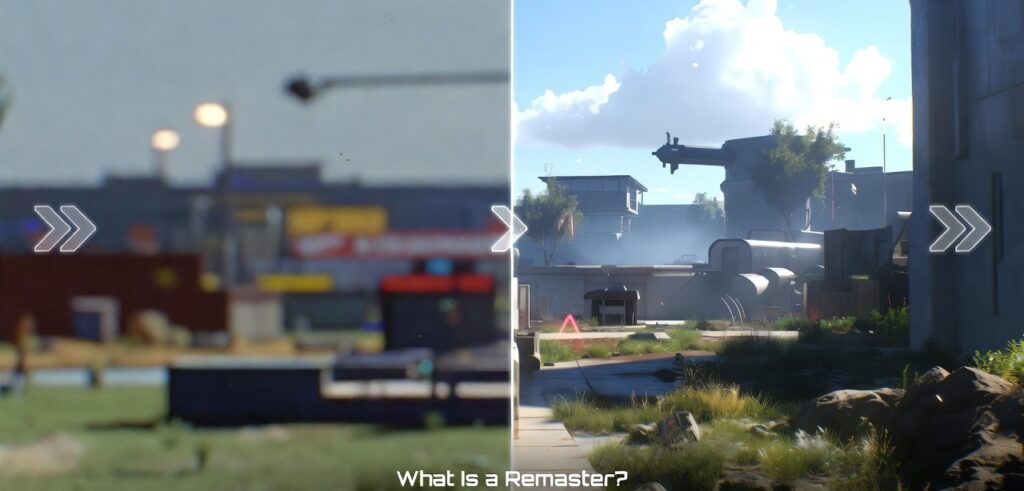
A remaster is an upgraded version of an existing game.
The core experience — story, structure, gameplay — stays the same, but the game is visually and technically improved to match modern standards.
What usually changes in a remaster:
- higher-resolution textures (HD/4K)
- improved lighting and shadows
- updated UI elements
- bug fixes and performance upgrades
- support for modern platforms and controllers
A remaster feels familiar. It’s the same game, but cleaner, sharper, and smoother.
Popular remaster examples:
- Dark Souls Remastered — stable 60 FPS, cleaner textures
- Skyrim Special Edition — improved lighting and performance
- Mass Effect Legendary Edition — enhanced visuals + gameplay adjustments
Best Games for Couples to Play Together in 2026: Co-op From Easy to Competitive
Top 10 Asian Games That Conquered the World
What Is a Remake?
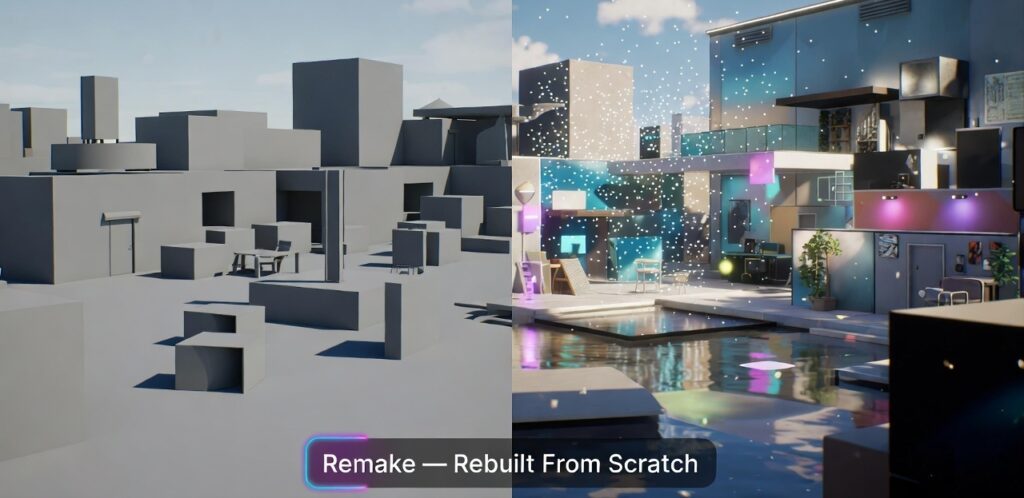
A remake is a brand-new version of a classic game — rebuilt from the ground up.
It uses modern engines, new animations, upgraded visuals, redesigned levels, and sometimes even new story elements.
What usually changes in a remake:
- completely new graphics
- updated or redesigned gameplay
- new physics and animations
- modified or expanded story beats
- modernized level layouts
- re-recorded sound and voice acting
A remake is essentially a new game inspired by the old one.
Popular remake examples:
- Resident Evil 2 (2019) — reimagined gameplay, atmosphere, and pacing
- Dead Space (2023) — rebuilt visuals, added quests, updated systems
- Demon’s Souls (PS5) — full graphical overhaul with new assets
Remake vs Remaster: The Key Differences
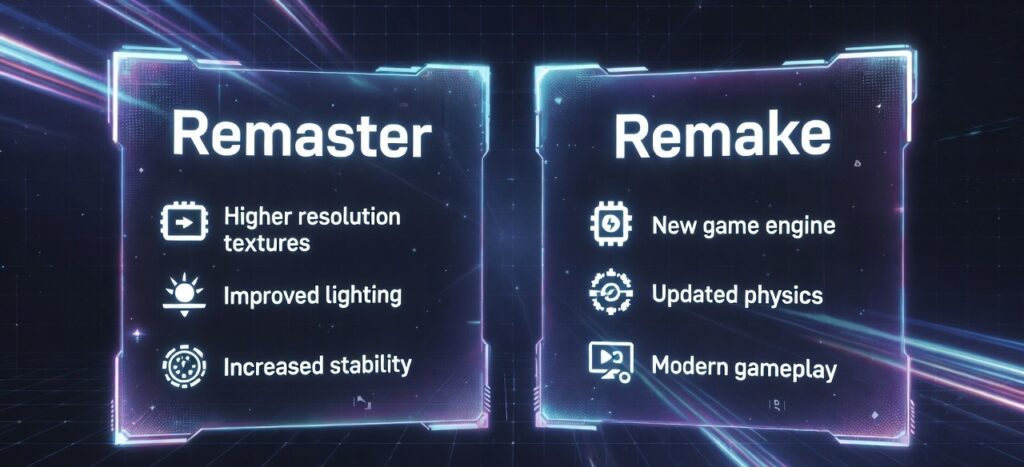
| Feature | Remaster | Remake |
|---|---|---|
| Graphics | Improved | Completely rebuilt |
| Gameplay | Mostly unchanged | Often redesigned |
| Story | Same | Same or expanded |
| Content | Minimal changes | New features possible |
| Development cost | Low/medium | High |
| Fan expectations | Nostalgia | Modern quality |
In short:
- Remaster = the same game, upgraded.
- Remake = a new game, rebuilt from scratch.
Why Do Studios Keep Making Remasters and Remakes?
The reasons are simple:
✔ 1. Nostalgia sells
Players love returning to the games they grew up with.
✔ 2. Classics deserve modern preservation
Many old titles don’t run well on new hardware.
✔ 3. Lower risk for publishers
A known brand is easier to market than a completely new IP.
✔ 4. Modern technology can transform old ideas
Remakes like Resident Evil 2 prove that old concepts can shine with current graphics and gameplay.
Should You Play a Remake or a Remaster?
Choosing between a remake and a remaster depends on what you want from the experience:
✔ Pick a remaster if you want:
- the original gameplay preserved
- minimal changes
- a cleaner, more stable version of the classic
- the “authentic old-school feeling”
✔ Pick a remake if you want:
- modern gameplay and controls
- improved pacing and level design
- better graphics and sound
- a fresh experience based on the original
Final Thoughts
Remakes and remasters both play important roles in modern gaming. Remasters preserve classics and make them accessible, while remakes breathe new life into older ideas by rebuilding them for a new generation.
If you want recommendations, don’t miss our full lists: