
10 Most Famous and Delicious Cakes in the World

Cakes are more than just desserts — they’re edible pieces of history.
Every country has its own sweet masterpiece, born from royal kitchens, family traditions, or happy accidents. From the elegant salons of Vienna to the cozy cafés of Kyiv, these legendary cakes have stood the test of time — and continue to define what “perfect dessert” really means.
Sachertorte (Austria)
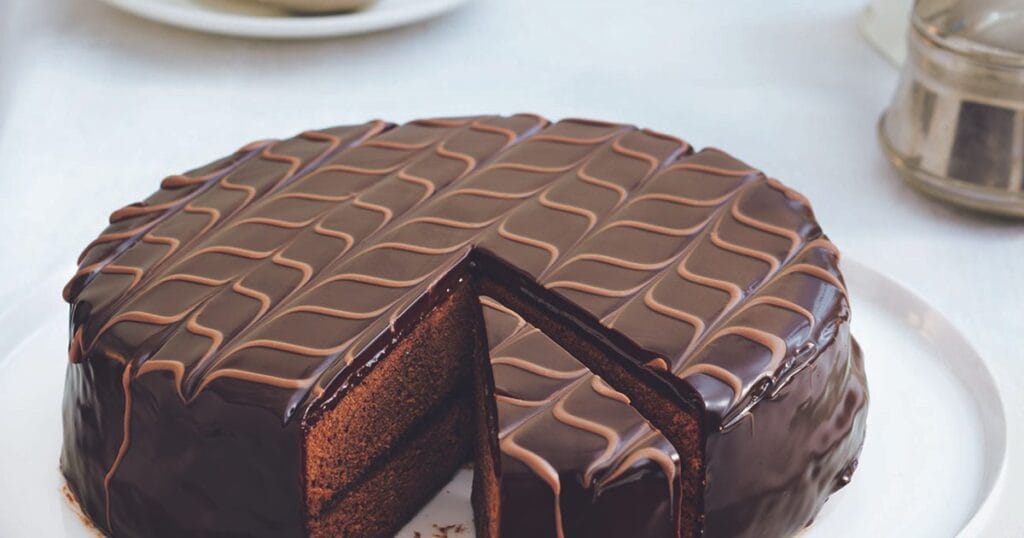
Created by: Franz Sacher, 1832, Vienna
Origin story: The Sachertorte was invented for Prince Metternich when the royal chef fell ill, leaving 16-year-old apprentice Franz Sacher to create a new dessert. His invention became an Austrian icon.
Flavor & composition: Dense chocolate sponge layered with apricot jam and coated in dark chocolate glaze. Traditionally served with a dollop of unsweetened whipped cream.
Fun fact: The famous “cake war” between Hotel Sacher and Demel bakery lasted decades over the right to use the name “Original Sachertorte.”
Napoleon Cake (Eastern Europe)
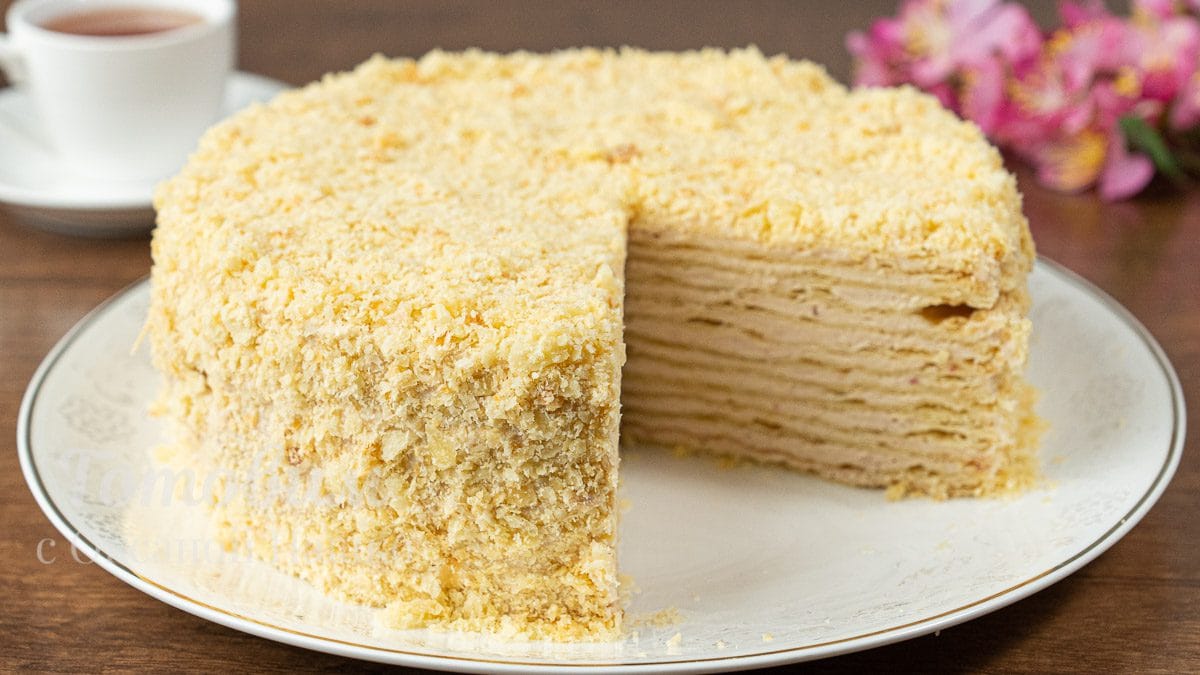
Created in: 19th century, inspired by French mille-feuille
Origin story: The name “Napoleon” spread in Russia after 1912, celebrating the victory over Napoleon’s army. The cake became a festive staple throughout the Soviet era.
Flavor & composition: Crispy puff pastry layers with rich vanilla custard or butter cream. Over time, the layers soften into a creamy, melt-in-the-mouth texture.
Fun fact: In some versions, the number of layers symbolizes the years since the 1812 war.
Best Blenders in 2026: Ranked for Smoothies, Soups, and Daily Use
Top 10 Desserts You Must Try Before You Die
Medovik (Honey Cake)
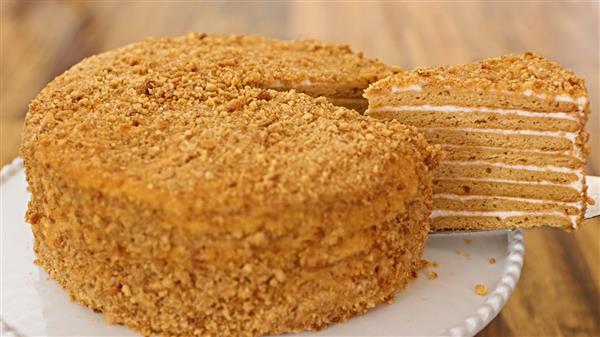
Created by: 19th century, Russia (Imperial kitchens)
Origin story: According to legend, a young pastry chef unknowingly made a honey cake for Empress Elizabeth, who disliked honey — but she fell in love with it.
Flavor & composition: Thin honey layers filled with sour-cream or condensed-milk frosting that soak overnight.
Fun fact: Medovik is even more flavorful after 24–48 hours, when the layers fully blend into a soft, caramel-like texture.
Dobos Torte (Hungary)
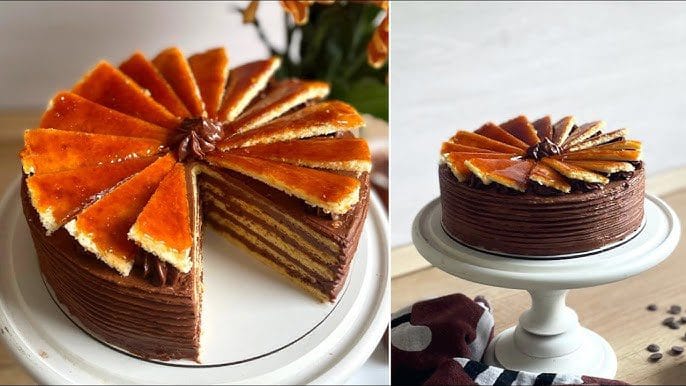
Created by: József Dobos, 1885, Budapest
Origin story: Confectioner József Dobos wanted a cake that would last longer without drying out, so he designed a layered sponge with chocolate buttercream and a caramel top.
Flavor & composition: Five sponge layers filled with cocoa buttercream and covered in shiny caramel glaze.
Fun fact: It was presented at the National General Exhibition of Budapest and quickly became Europe’s luxury dessert.
Esterházy Cake (Hungary / Austria)
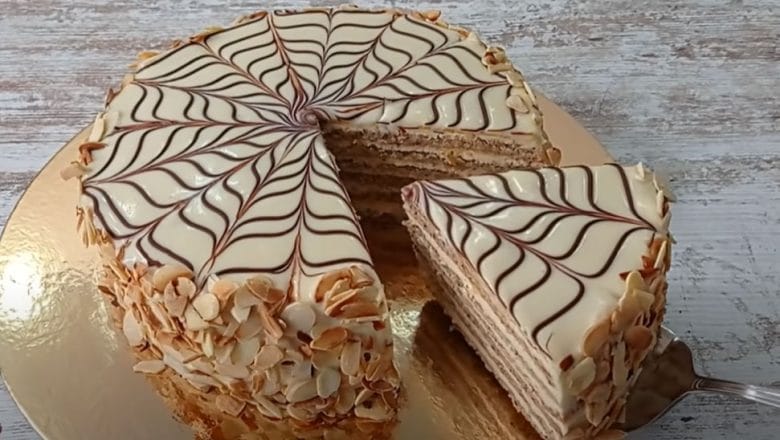
Created by: late 19th century, dedicated to Prince Paul III Esterházy
Origin story: A tribute to Hungarian nobility, this cake represents the refinement of the Austro-Hungarian dessert tradition.
Flavor & composition: Almond meringue layers with cognac-flavored buttercream and a distinctive white glaze decorated with a chocolate web pattern.
Fun fact: True Esterházy cake uses ground almonds, not hazelnuts — a detail often missed outside Europe.
Kyiv Cake (Ukraine)
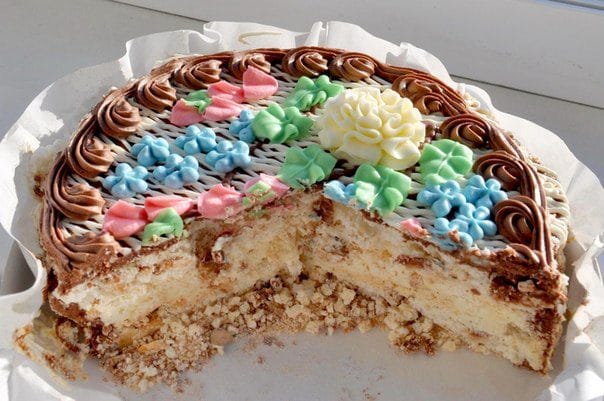
Created by: 1956, Karl Marx Confectionery Factory, Kyiv (now Roshen)
Origin story: Accidentally created when egg whites were left overnight, forming a new type of airy nut meringue base. The confectioners turned it into a masterpiece.
Flavor & composition: Two nut-based meringue layers (often hazelnut or cashew) with buttery cream and chocolate glaze.
Fun fact: For decades, travelers brought Kyiv Cake as a souvenir — a true symbol of the city.
Tiramisu (Italy)
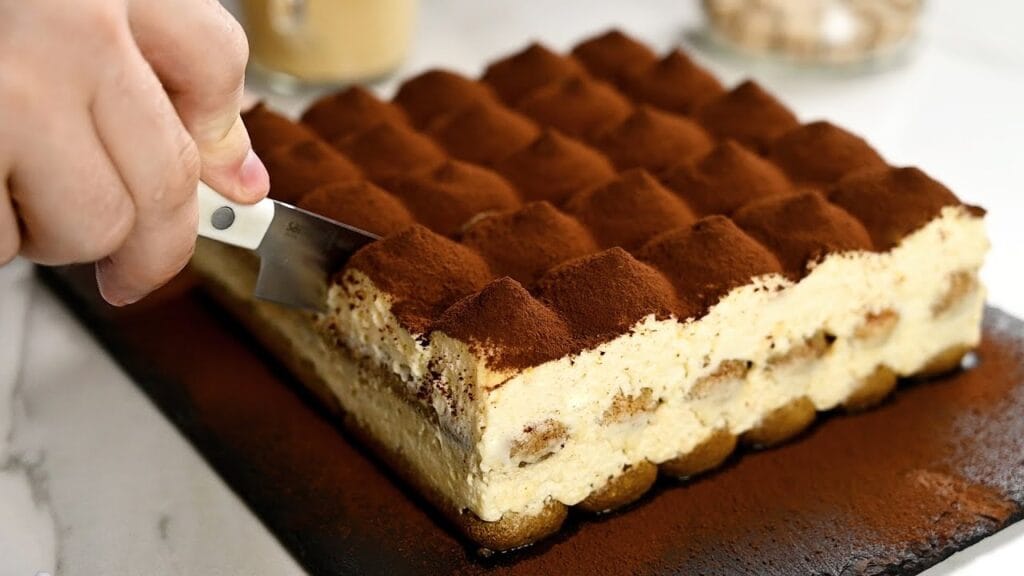
Created by: 1960s–1970s, Veneto region (Treviso)
Origin story: Translating as “pick me up,” Tiramisu was born in Italian cafés, combining espresso, mascarpone, and savoiardi biscuits.
Flavor & composition: Coffee-soaked ladyfingers layered with mascarpone cream and dusted with cocoa.
Fun fact: It’s one of the most imitated desserts in the world — every region of Italy claims its own version.
Red Velvet Cake (USA)
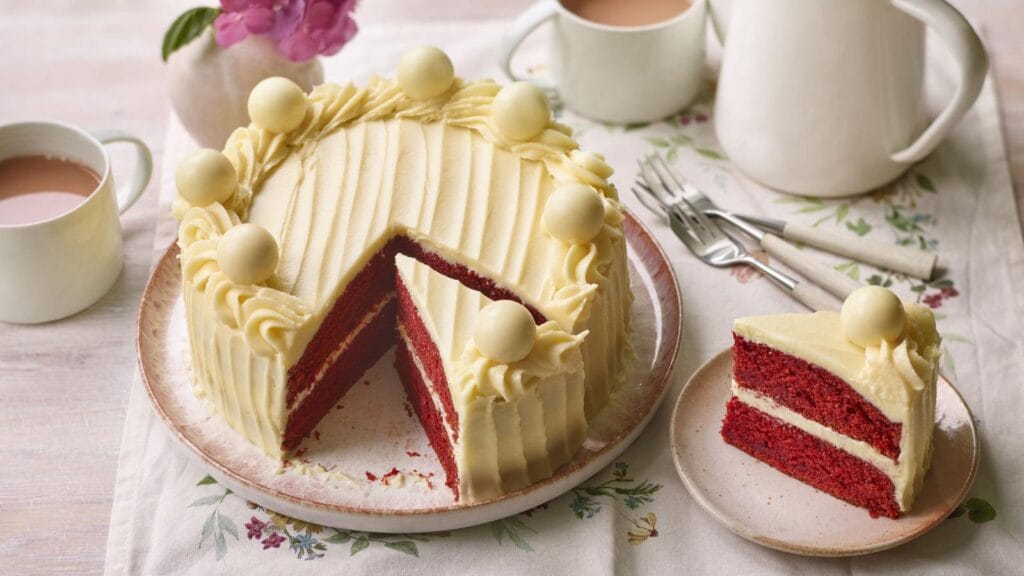
Created by: early 20th century, popularized by the Waldorf-Astoria Hotel
Origin story: Originally a cocoa cake with buttermilk, its red color came from a natural reaction between cocoa and acid — later enhanced with food coloring.
Flavor & composition: Soft, moist, slightly tangy sponge with cream-cheese frosting.
Fun fact: During WWII, bakers used beet juice for the red hue due to food shortages.
Cheesecake (USA / Ancient Greece roots)
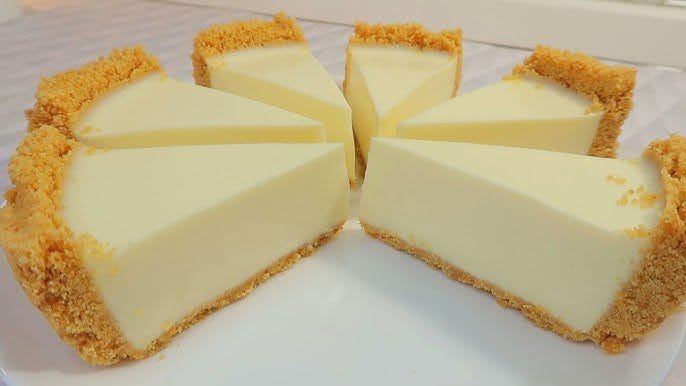
Created by: modern form — New York, early 1900s
Origin story: While ancient Greeks served cheese-based cakes, the iconic baked version was perfected in New York using cream cheese.
Flavor & composition: Dense, creamy filling on a cookie crust, baked until golden.
Fun fact: Cheesecake is so loved in New York that there’s a special “Cheesecake Day” celebrated every July.
Ptichye Moloko (Bird’s Milk Cake, USSR)
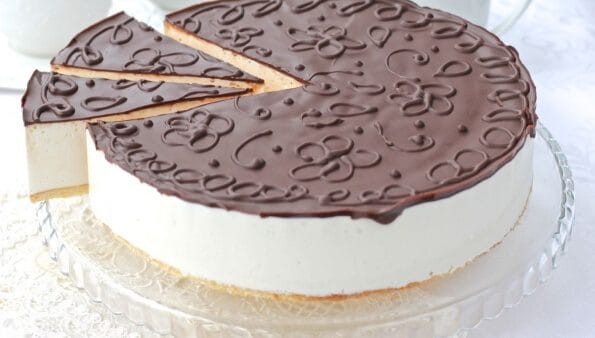
Created by: 1978, Moscow, by chef Vladimir Guralnik (Prague Restaurant)
Origin story: Adapted from a Polish candy, this Soviet innovation combined soufflé, buttercream, and chocolate glaze.
Flavor & composition: Light vanilla soufflé on a soft sponge base, coated with dark chocolate.
Fun fact: The name “Bird’s Milk” comes from Slavic mythology — symbolizing something rare and precious.
Why These 10 Cakes Define the World of Desserts
These cakes aren’t just sweets — they’re edible history lessons.
Each one tells a story of its homeland’s taste, innovation, and culture:
- Austro-Hungarian classics like Sachertorte, Dobos, and Esterházy shaped European pastry tradition.
- Eastern icons like Napoleon, Medovik, Kyiv Cake, and Ptichye Moloko reflect the rich legacy of Soviet and Russian confectionery.
- Western favorites like Cheesecake, Tiramisu, and Red Velvet represent modern creativity and global influence.
Together, they form a culinary map that connects Vienna, Budapest, Ukraine, New York, and Rome through one universal language — sweetness.
Final Thoughts
Trends may change, but these ten cakes remain eternal.
Whether it’s a slice of warm honey Medovik or the bittersweet depth of a Sachertorte, each piece carries nostalgia, tradition, and joy.
So next time you crave something special, skip the fancy new desserts — and taste a legend instead.
Also read: 10 Lazy Breakfasts You Can Make Half-Asleep (Quick & Easy Morning Recipes) — because even pastry lovers need easy morning fuel.