
Why AI Advice Often Feels Better Than Human Advice

People don’t turn to AI because it’s “smarter.”
They turn to AI because it’s safe.
Human advice comes with judgment — raised eyebrows, tone, personal bias, past conflicts, ego, expectations. Even the most supportive friend sometimes projects their fears, their limits, their worldview onto you.
AI doesn’t.
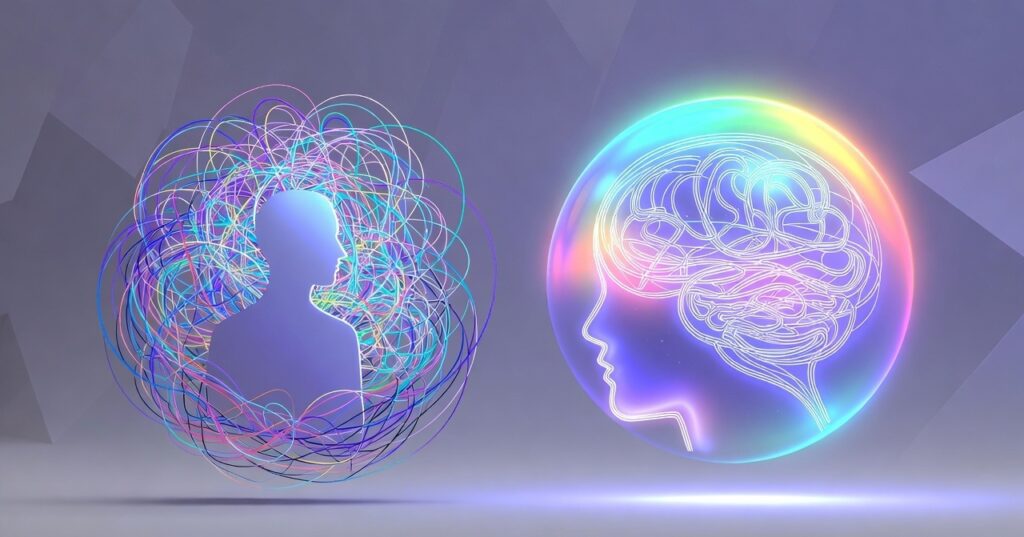
1. No Judgment — Ever
AI gives you space to be brutally honest — about fears, money, relationships, failures.
No disappointment. No gossip. No emotional consequences.
And that makes people more open, which automatically makes advice feel better.
2. Instant, Structured Answers
Humans ramble, drift, generalize, get emotional.
AI gives you clear frameworks, options, pros/cons, step-by-step logic.
It feels like someone finally organizes the chaos in your head.
Best AI Tools for Students in 2026 That Professors Haven’t Banned Yet
Why Every Gadget Looks the Same in 2025 — and Why That’s a Problem
3. No Hidden Motives
Humans sometimes give advice based on their benefit:
– “Do this because I think it’s right.”
– “Don’t do that, it scares me.”
AI has no pride, no ego, no agenda.
It responds to your goals — not its own.
4. Unlimited Patience
You can ask the same question ten times.
Rephrase. Dig deeper.
AI doesn’t get tired, annoyed, or offended.
That makes it feel strangely comforting — like a guide who is always calm, always available.
5. Pure Logic + Your Emotions = Balanced Advice
AI can break down a problem logically, but still acknowledge emotions.
Humans often swing to extremes:
Either “Be logical!” or “Follow your heart!”
AI blends both — a combination people rarely get from each other.
Final Thoughts
AI advice feels better not because it’s perfect, but because it removes everything that makes human advice hard: ego, tension, fear of judgment, emotional baggage.
It becomes a mirror that helps you think more clearly — without the noise of other people’s expectations.