
Foods We Hate — But Later Start Loving (Science Explains Why)

The Strange Journey of Taste
Have you ever hated broccoli, black coffee or dark chocolate — only to realize years later you enjoy them regularly? It turns out, you’re not alone. Many people go through a similar “taste evolution” over life. What feels unbearable as a child — bitter, sour, or strong — often becomes familiar and even delightful later. Science reveals that this shift is driven by a mix of genetics, changes in our sensory system, and repeated exposure.
Why Kids Often Hate “Adults’ Foods”
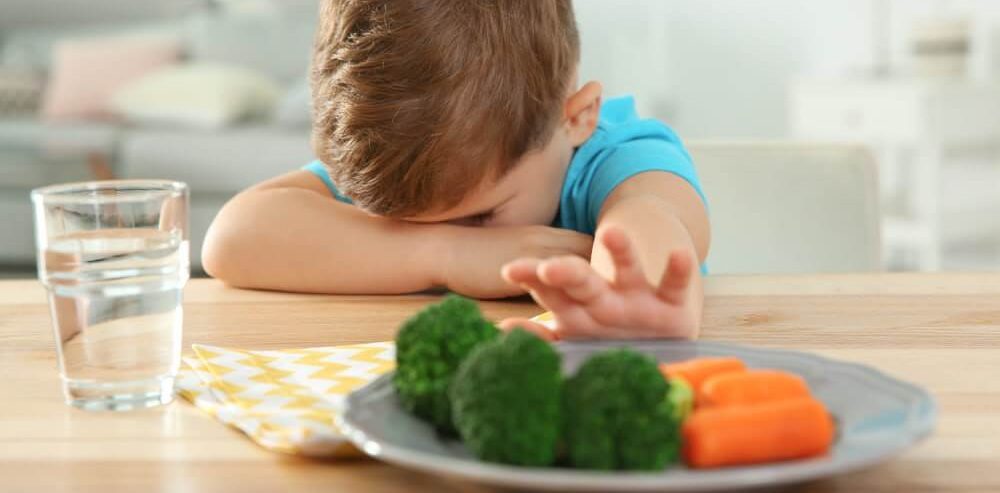
🍃 Bitter = Danger: The Biology of Early Taste
From the earliest stages of life, human taste preferences are biased: children are born with a strong preference for sweet tastes, and a strong aversion to bitter ones. This bias makes biological sense: sweetness signals calories and energy (like in mother’s milk), while bitterness often acts as a warning for potentially poisonous plants.
Moreover, the sensitivity to bitter tastes is significantly higher in children compared to adults. A key role is played by a family of bitter-taste receptors (known as T2R), and in particular one receptor encoded by the gene TAS2R38. Genetic variants in TAS2R38 influence how intensely a person perceives bitter compounds found in many vegetables (like broccoli) or beverages.
Interestingly, research shows that even among children with the same genetic variant, bitter sensitivity declines over the course of adolescence — meaning that taste perception itself changes with age.
So when broccoli tastes unbearably bitter to a child, it might become only mildly bitter — or even mildly pleasant — later on.
How Taste Evolves: Biological & Experiential Factors
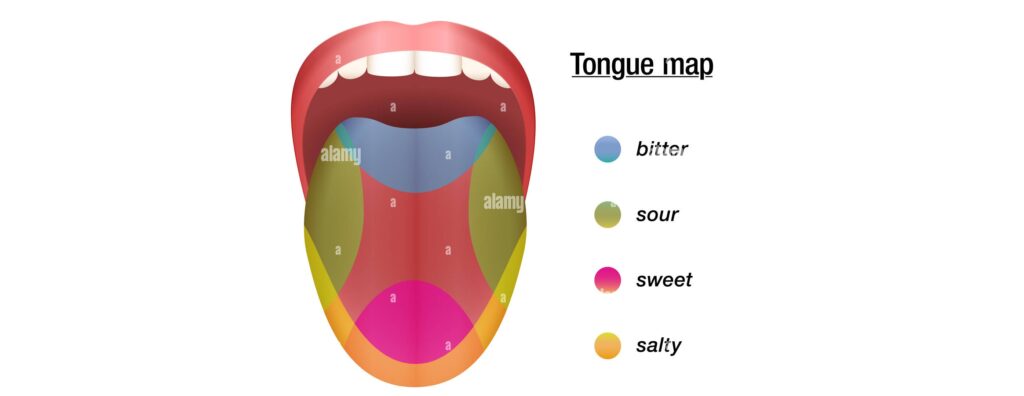
👅 Age-related Sensory Changes
As we mature, our taste system undergoes subtle transformations. The density and sensitivity of taste buds can change, which often makes strong flavours — bitter, sour, or very spicy — less intense over time.
This natural “dampening” helps previously aversive tastes become more tolerable. What was once overwhelming becomes manageable, paving the way for acquired appreciation.
🔄 Repeated Exposure & Learned Preferences
Taste preference is not purely genetic or fixed — environment and experience play a huge role. Studies show that repeated exposure to a previously disliked food can gradually increase acceptance. For example, introducing a bitter vegetable multiple times — especially when paired with pleasant flavours or dips — significantly raises the likelihood that a child will start accepting and even liking it.
This works not only in childhood: throughout life, frequent consumption and positive associations (social contexts, pleasant meals, perceived benefits) can reshape our taste.
👪 Cultural, Social, and Lifestyle Influences
As we grow older, our diets expand. We try new cuisines, beverages, cooking styles — often influenced by peers, culture, or health awareness. Foods once alien start appearing in meals regularly. That social and habitual context — dinners with friends, trying coffee in college, experimenting with cooking — often helps “retrain” our palate. Combined with biological changes and exposure, this makes the difference.
“The Invisible Thief”: Why Restaurant Portions Are Shrinking While Prices Skyrocket in 2026
Top 10 Desserts You Must Try Before You Die
Common Foods People Often Hate First — But Later Love
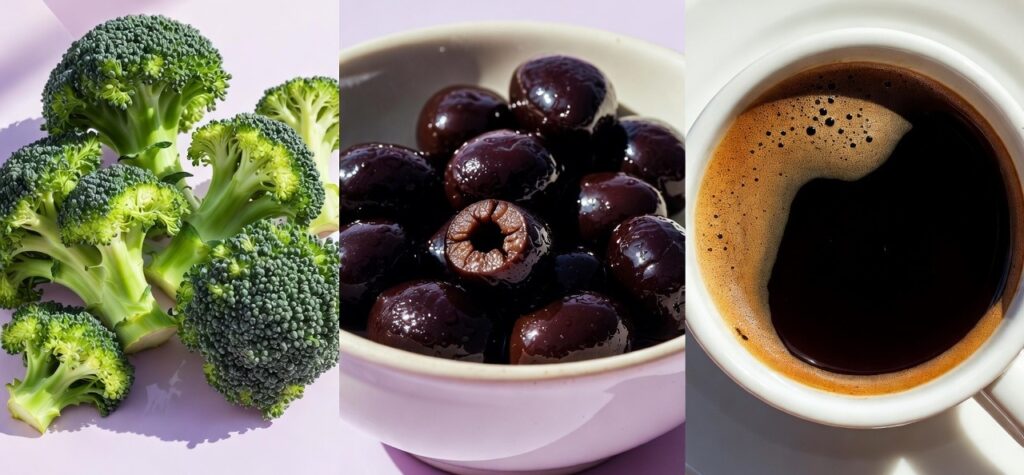
Here are some typical examples of foods/beverages many dislike in childhood but grow to appreciate (or love) as adults — and why.
- Green vegetables (e.g. broccoli, Brussels sprouts): Their bitterness is intense when receptors are highly sensitive (childhood). Over time bitterness fades. Plus cooking methods (roasting, seasoning, sauces) help soften harshness.
- Olives / dark leafy greens / certain herbs: Salty-bitter/aromatic profile often feels overwhelming before taste matures; social and culinary exposure later can shift perception.
- Coffee & dark chocolate: Both have prominent bitter notes. As bitterness sensitivity decreases, bitterness becomes part of the “adult taste.” Also, people begin to appreciate the energy boost, ritual, or complexity.
- Spicy / strongly flavoured foods / fermented foods: As tolerance grows, what was once “too strong” becomes interesting or even comforting.
In all these cases — from veggies to coffee — the evolution from “yuck” to “yum” is gradual and often subconscious.
What Science Says: Research Findings & Implications
- A comprehensive review concluded that children’s innate dislike of bitterness and preference for sweet is part of inborn biology, acting as protection against toxins.
- But the same review shows that sensitivity to bitter tastes decreases with age. That helps explain why many green vegetables become tolerable or enjoyable later in life.
- Experimental studies of repeated exposure to bitter vegetables show increased acceptance after just a few exposures — especially when paired with pleasant flavours (sugars, dips).
- Nutrition science suggests early exposure (even via maternal diet during pregnancy or breastfeeding) helps shape a more varied palate over childhood and later life.
How You Can (Consciously) Retrain Your Taste — And Maybe Love Healthy (or “Adult”) Foods
- Give it time — Repeated exposure matters. Something you dislike now may grow on you with 5–10 tries.
- Change the context — Try new foods prepared differently (roasted, seasoned, mixed with other flavours) rather than plain.
- Pair with familiar/favourite tastes — Sweet, salty, umami, or fat (olive oil, butter, cheese) can soften bitterness or strong flavours.
- Be open to social / lifestyle influence — Trying foods in social contexts (friends’ dinners, travels, new cuisines) helps normalize tastes.
- Understand that taste changes naturally — Your body and sensory system evolve: what’s repulsive at one age can be neutral or attractive later.
Final Thoughts
Our taste is not fixed — it’s alive, evolving, shaped by biology, experience, culture, and time. The foods we reject as children often stand a good chance of becoming favourites as adults. So if broccoli, olives, black coffee or dark chocolate once repelled you — don’t cross them off forever. Give them (or your future tastes) a second chance.
Because taste isn’t just about what’s on your plate — it’s about who you are now, and who you’re becoming.