
7 Courtroom Films Based on Real Criminal Cases That Keep You Hooked

Courtroom dramas work best when the verdict matters long before the final scene. The strongest ones are not only about guilt or innocence — they’re about power, pressure, public opinion, broken systems, and the people caught inside them.
When based on real cases, that tension becomes even stronger. These stories happened in some form, and the legal battles often mattered far beyond one defendant.
Here are 7 courtroom films inspired by real criminal cases that deliver sharp drama, strong performances, and real stakes.
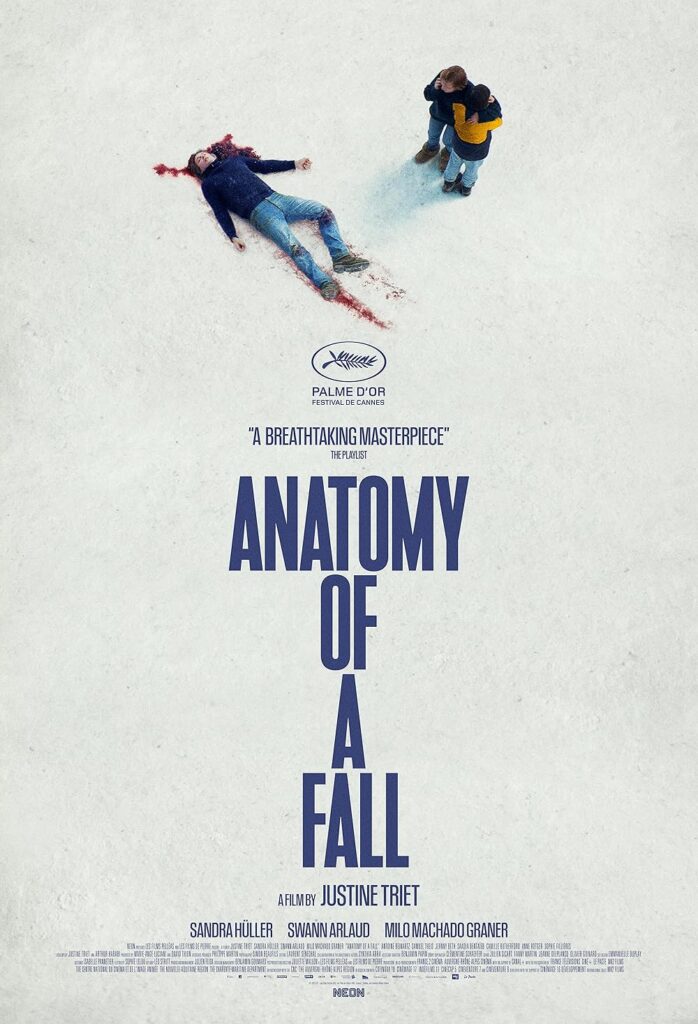
Anatomy of a Fall (2023)
Anatomy of a Fall begins with a husband found dead outside an isolated mountain home. Was it suicide, an accident, or murder?
His wife Sandra becomes the prime suspect, and the courtroom slowly turns into a brutal autopsy of their marriage. Every conversation, every argument, every private weakness becomes evidence.
What makes the film exceptional is that it avoids simple answers. It’s less about one death and more about how truth changes depending on who is speaking.
Smart, tense, and emotionally ruthless.

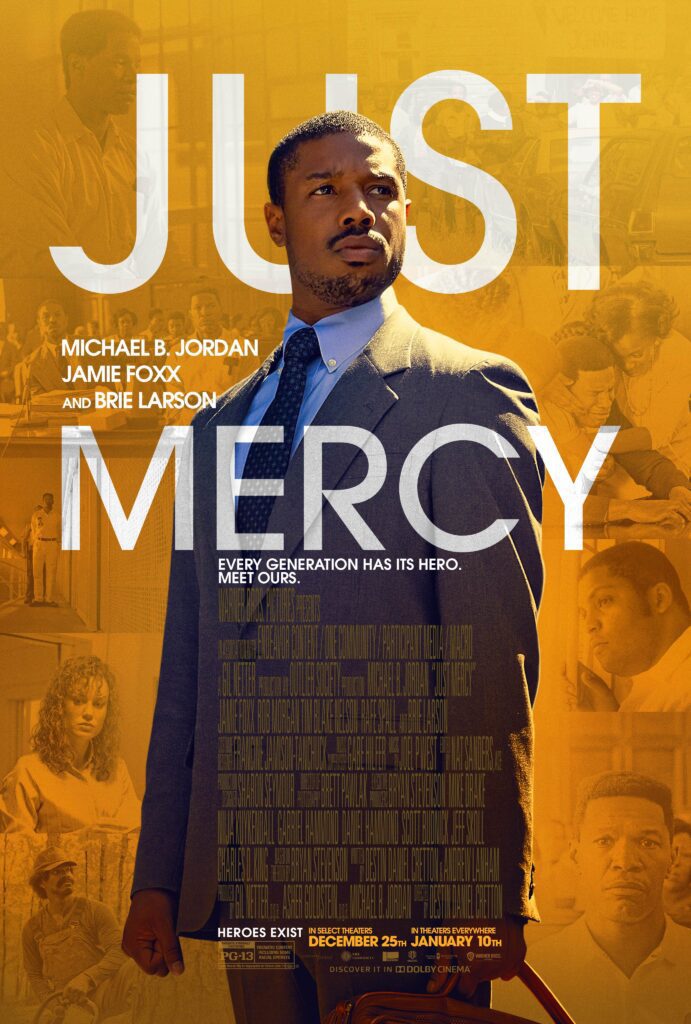
Just Mercy (2019)
Based on the work of attorney Bryan Stevenson, Just Mercy tells the true story of Walter McMillian, a Black man wrongly convicted of murder in Alabama.
Michael B. Jordan plays Stevenson, who enters a system built to resist correction. The deeper he digs, the clearer it becomes that the conviction was shaped by racism, fear, and convenience.
The film is direct and powerful, focusing on the legal process without losing the human pain behind it.
A reminder that justice delayed is often justice denied.

Best Films to Rewatch After Turning 30: Movies That Hit Completely Different Now
Best Crime Dramas to Binge in 2026: Series With the Highest Rewatch Value
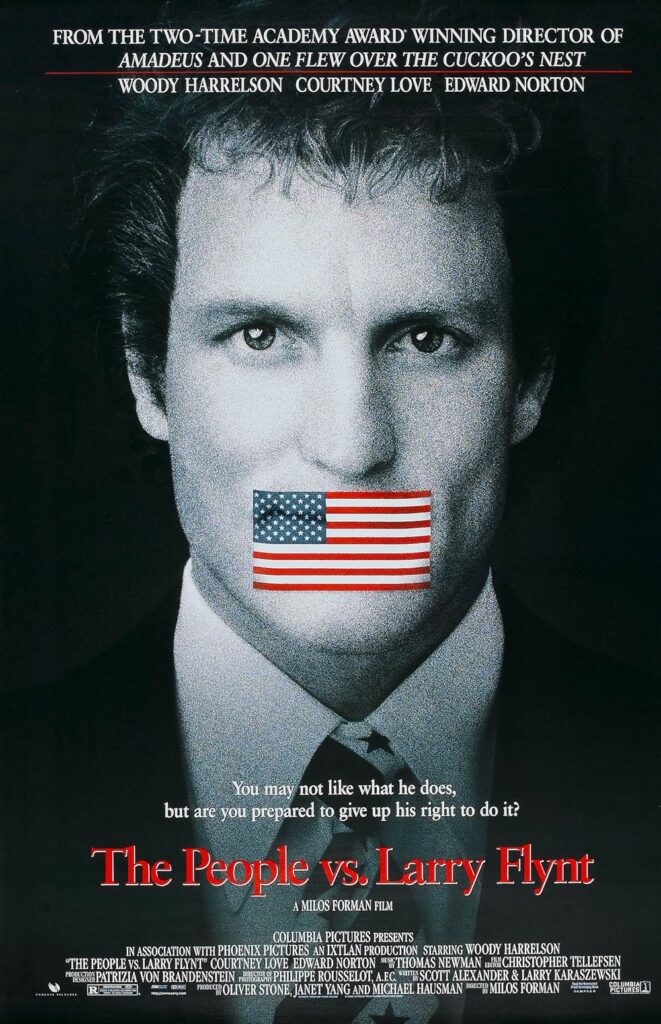
The People vs. Larry Flynt (1996)
This film follows controversial publisher Larry Flynt and the many legal battles surrounding free speech, obscenity laws, and the limits of expression.
Whatever viewers think of Flynt personally, the courtroom conflict became bigger than one man. It turned into a debate over whether rights apply only to respectable people — or to everyone.
The movie balances sharp satire with serious constitutional questions, making it far more substantial than many expected.

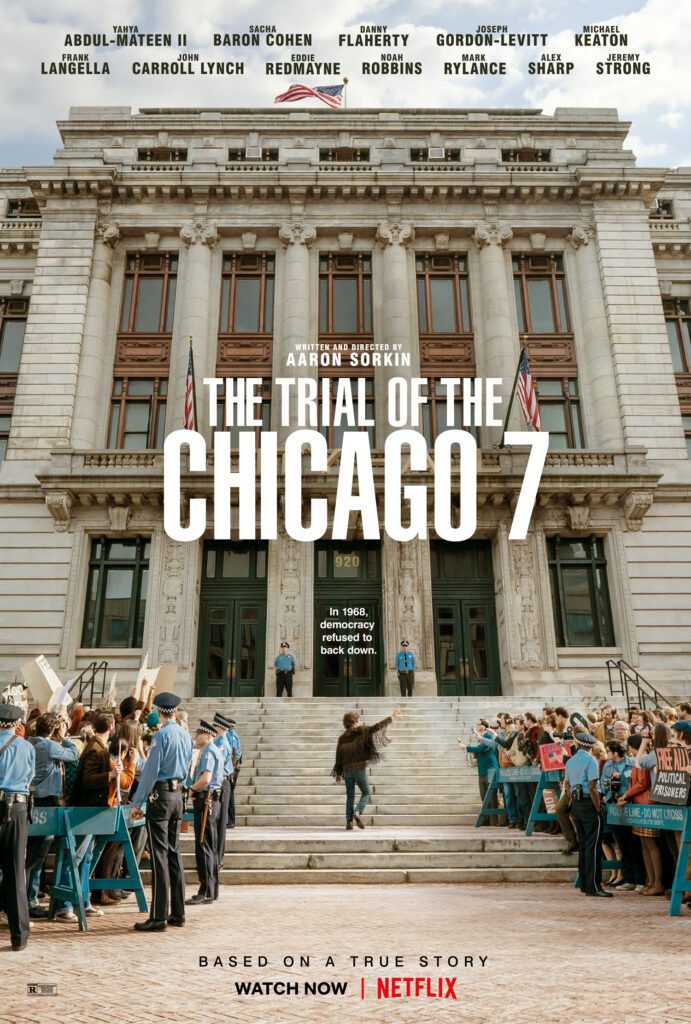
The Trial of the Chicago 7 (2020)
Based on the famous 1969 conspiracy trial, the film follows anti-war activists charged after violent clashes during the Democratic National Convention in Chicago.
What unfolds is less a neutral legal proceeding and more a political spectacle. The judge appears openly biased, the defendants mock the process, and the courtroom becomes another protest stage.
Fast-paced and sharply written, it shows how law can be used not only to punish crimes, but to send messages.

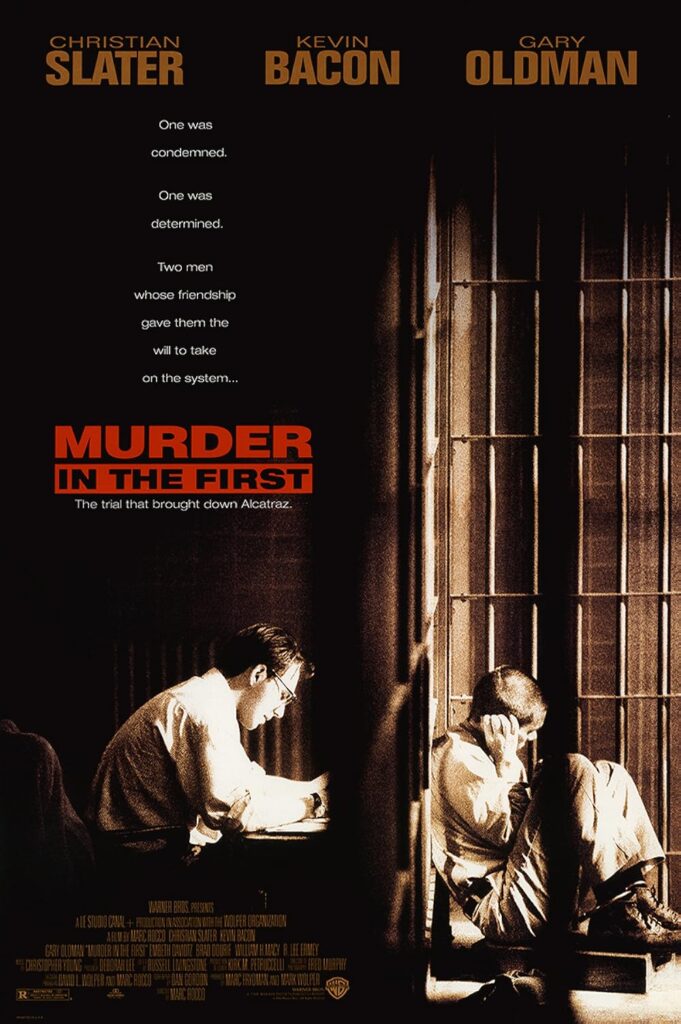
Murder in the First (1995)
Inspired by the case of Henri Young, this film centers on a prisoner pushed into psychological collapse after years of extreme isolation in Alcatraz.
When Young kills another inmate, the trial shifts focus: is he solely guilty, or did the prison system create the violence?
The courtroom scenes hit hard because the real defendant is not just one man — it is institutional cruelty.
Dark, emotional, and still relevant whenever abuse hides behind authority.

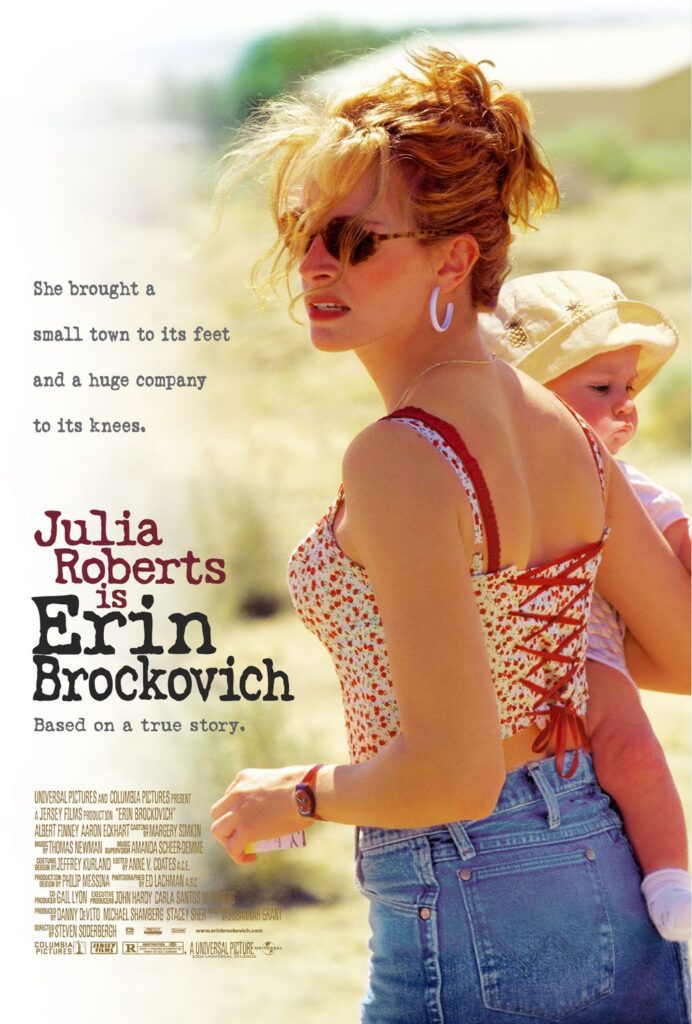
Erin Brockovich (2000)
Though not a murder trial, Erin Brockovich is rooted in a real legal fight involving contaminated water and corporate negligence that harmed an entire community.
Julia Roberts plays the sharp, relentless outsider who helps expose what powerful people hoped would stay buried.
The film works because it turns paperwork, evidence, and persistence into genuine suspense.
Sometimes the courtroom battle begins years before anyone enters a courtroom.

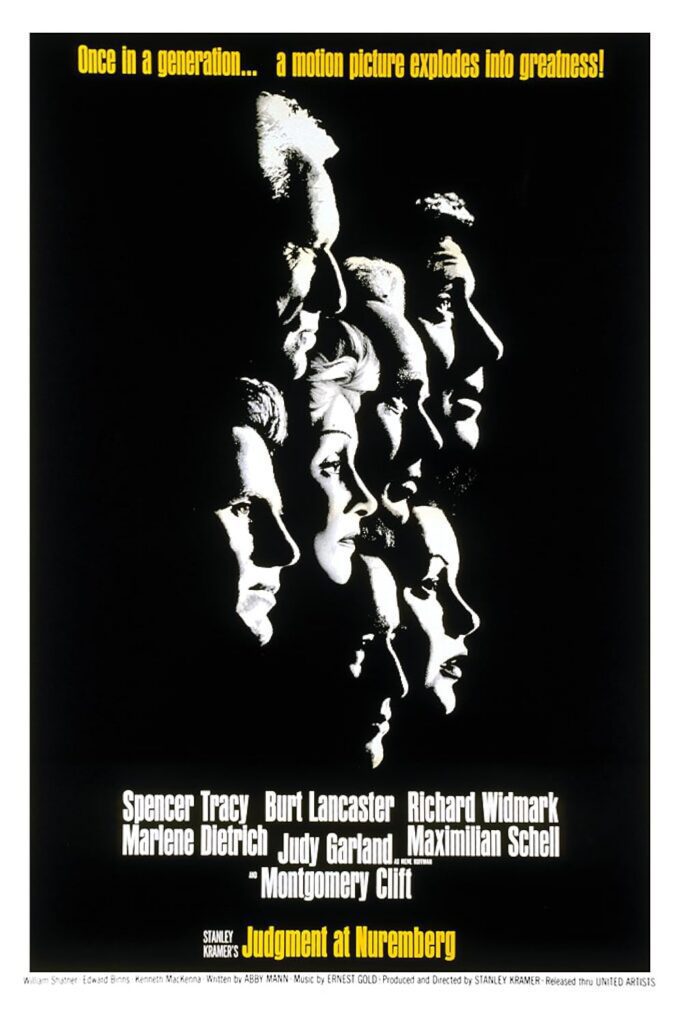
Judgment at Nuremberg (1961)
One of the greatest legal dramas ever made, this film examines post-World War II trials of German judges who enabled Nazi crimes through the legal system.
The central question is chilling: when law itself becomes corrupted, where does responsibility begin and end?
The film is thoughtful, heavy, and morally complex. It refuses easy distance by asking what ordinary professionals choose to tolerate under pressure.
A timeless courtroom story about complicity.

Final Thoughts
The best legal dramas are never just about verdicts.
They expose racism, corruption, propaganda, abuse, greed, and the dangerous gap between legality and justice. That’s why these films last — because the courtroom becomes a mirror of society itself.
Some cases end with acquittals. Some with convictions. But the strongest ones leave a harder question behind: was justice actually served?