
Best Films to Rewatch After Turning 30: Movies That Hit Completely Different Now

You watched Fight Club at 19 and thought it was a cool movie about underground boxing and blowing stuff up. You rewatch it at 32 and realize it’s about a man so dissociated from his own identity he invented a second person to feel something. That’s the movie now. That’s what it was always about.
There’s a specific kind of film that works on two levels: the surface story you absorb when you’re young, and the actual story underneath — the one about time, regret, choices, and the strange weight of being an adult who didn’t quite expect to become one. You can’t access the second layer until you’ve lived enough to recognize it.
These 10 films hit completely differently after 30. Not because they changed — because you did.
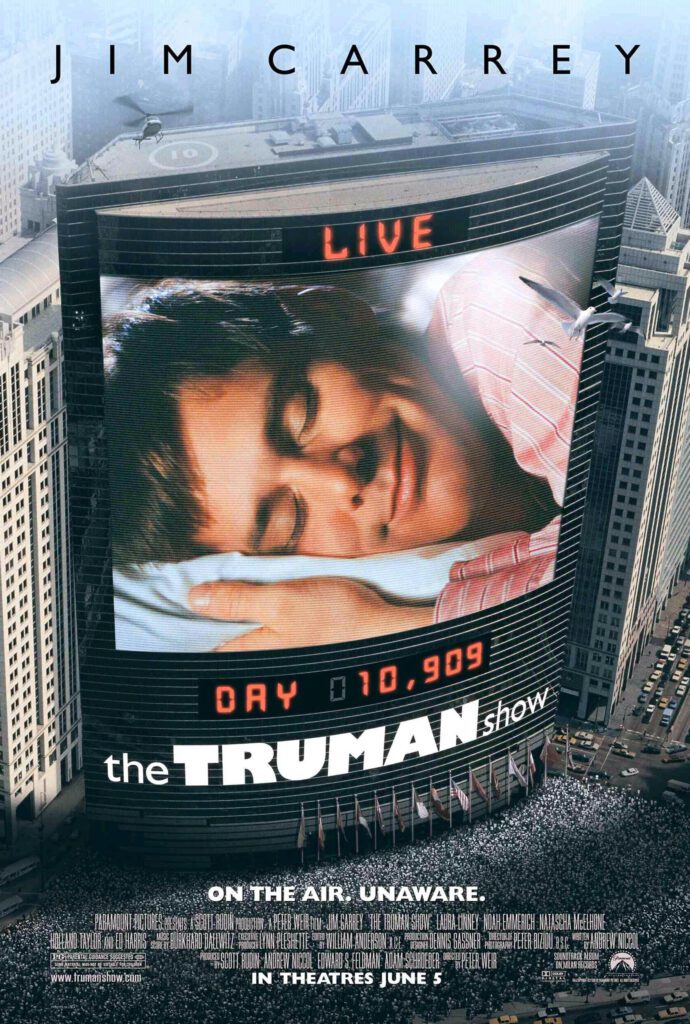
1. The Truman Show (1998)
What you thought it was at 17: A wild sci-fi concept about a guy living inside a TV show. Cool premise, funny moments, satisfying ending.
What it actually is: A film about the terrifying comfort of a life that was designed for you — and the cost of choosing uncertainty over the familiar cage. Truman’s biggest obstacle isn’t the producers. It’s himself. He’s been conditioned to stay. The boat scene, where he pushes through his manufactured fear of water, hits like a gut punch once you’ve spent years inside your own comfortable rut.
The line that lands differently now: “Good morning, and in case I don’t see ya — good afternoon, good evening, and good night.” He said it every day to everyone without realizing it was a goodbye rehearsal.
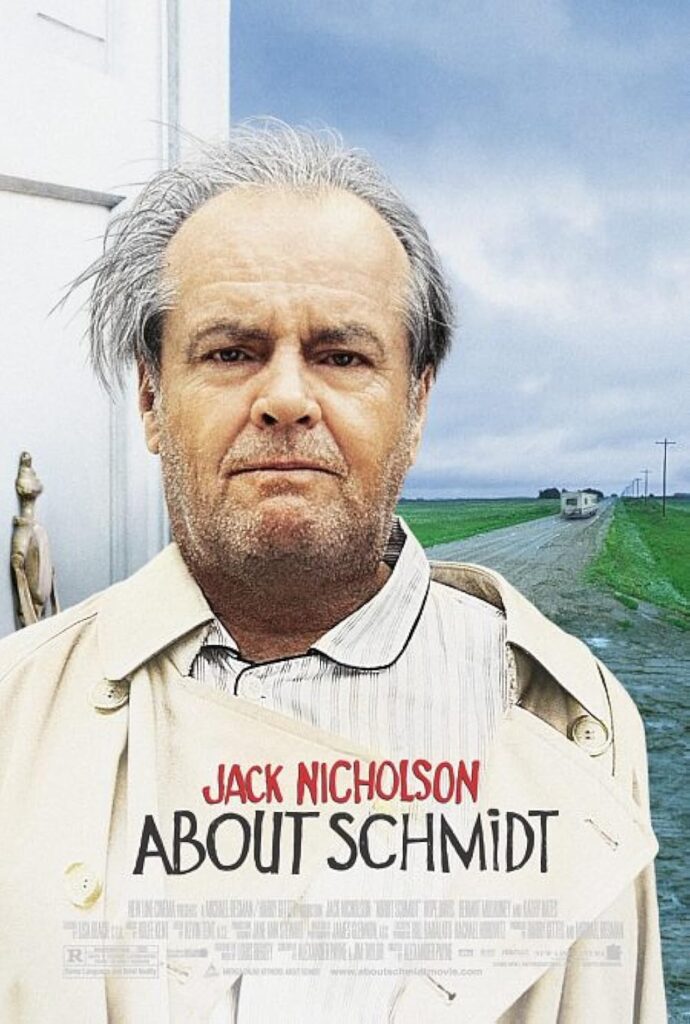
2. About Schmidt (2002)
What you thought it was: A slow, quiet movie about an old man. Probably boring. Maybe you skipped it.
What it actually is: A precise, devastating portrait of a man who spent 35 years being competent at a job and then retired to discover he had no idea who he was outside of it. Jack Nicholson underplays it completely — which makes it worse. Schmidt isn’t dramatic. He’s just quietly, completely lost. At 30, you start to understand the machinery of that feeling.
Why it hits now: Because you’ve started to glimpse the version of yourself that could end up like Schmidt — not tragically, just gradually. A series of safe choices compounding into a life that looks fine from the outside.
Best Crime Dramas to Binge in 2026: Series With the Highest Rewatch Value
Best Movies to Watch in Cinema at Summer 2026: What’s Actually Worth the Ticket Price
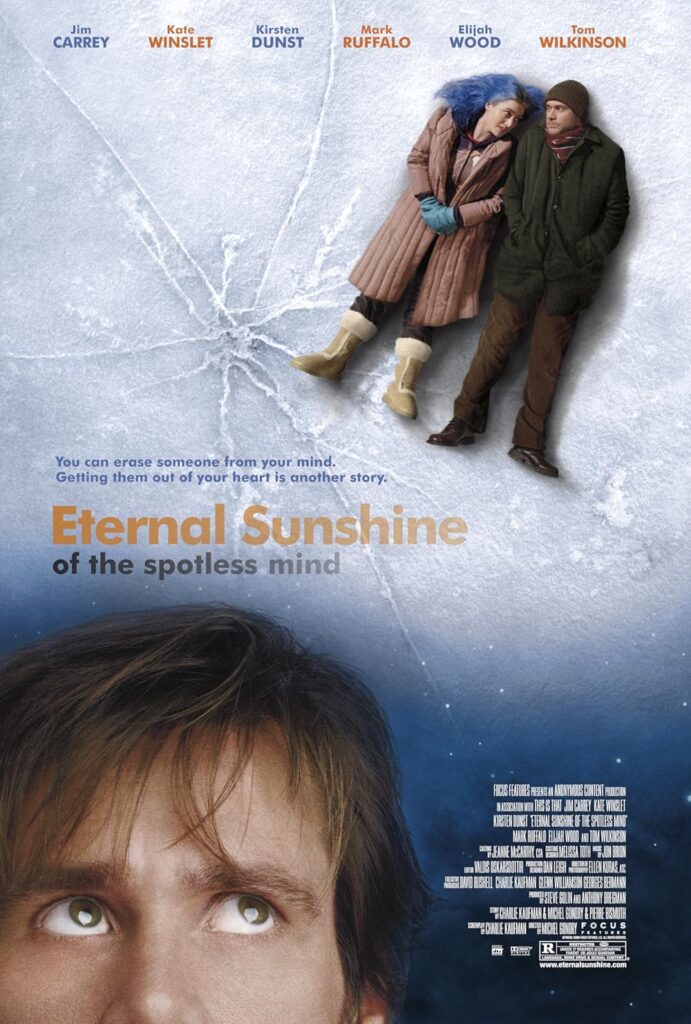
3. Eternal Sunshine of the Spotless Mind (2004)
What you thought it was: A weird, dreamy sci-fi love story. Visually interesting. Sad but ultimately hopeful.
What it actually is: A film about the impossible choice between protection and memory — and the realization that erasing your pain also erases the parts of you that grew from it. At 22, you rooted for Joel and Clementine to find each other again. At 33, you understand why someone would actually choose to erase a person. And you understand why, even knowing it ends the same way, they’d do it again.
The scene that changes: The beach house falling apart around them while they hold onto the last moments. At 17 it’s visually cool. At 35 it’s about every relationship you watched erode in real time and couldn’t stop.
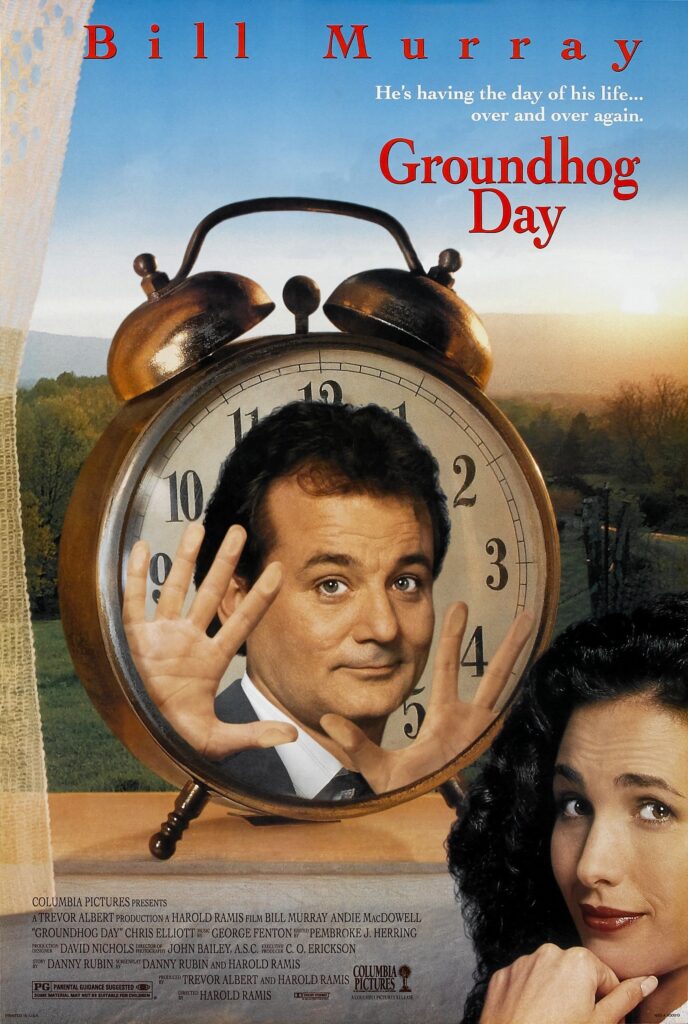
4. Groundhog Day (1993)
What you thought it was: A Bill Murray comedy where a guy keeps reliving the same day. Funny. Charming. Happy ending.
What it actually is: A film about a man who has every external excuse removed and is forced to look at himself with nowhere left to hide. The comedy is real, but underneath it is something almost philosophical — the idea that we repeat the same day not because of a supernatural curse but because we’re the same person making the same choices. Growth requires becoming someone different. That’s genuinely hard.
Why it hits now: You’ve probably had a few “Groundhog Day” periods in your own life by now — same job, same arguments, same patterns. The film isn’t about a time loop. It’s about deciding to change.
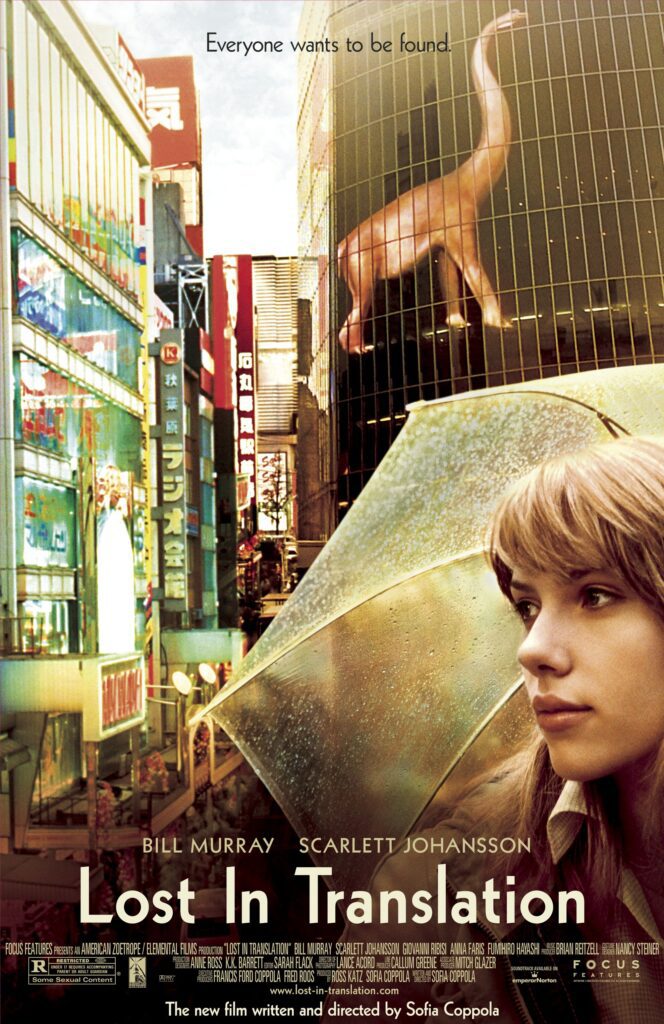
5. Lost in Translation (2003)
What you thought it was: A slow, melancholy mood piece about two people in Tokyo who don’t quite connect. Beautiful to look at. Not much plot.
What it actually is: A film about two people at different inflection points of adulthood — one staring at what’s ahead, one at what’s behind — both feeling a loneliness that success and stability did nothing to solve. The film doesn’t have a plot because the feeling it’s capturing doesn’t have a plot. Dissatisfaction doesn’t announce itself dramatically. It just sits there.
The scene that changes: Bill Murray’s face in the back of the taxi at the opening. At 19, you barely notice it. At 34, you’ve made that face. You know exactly what it means.
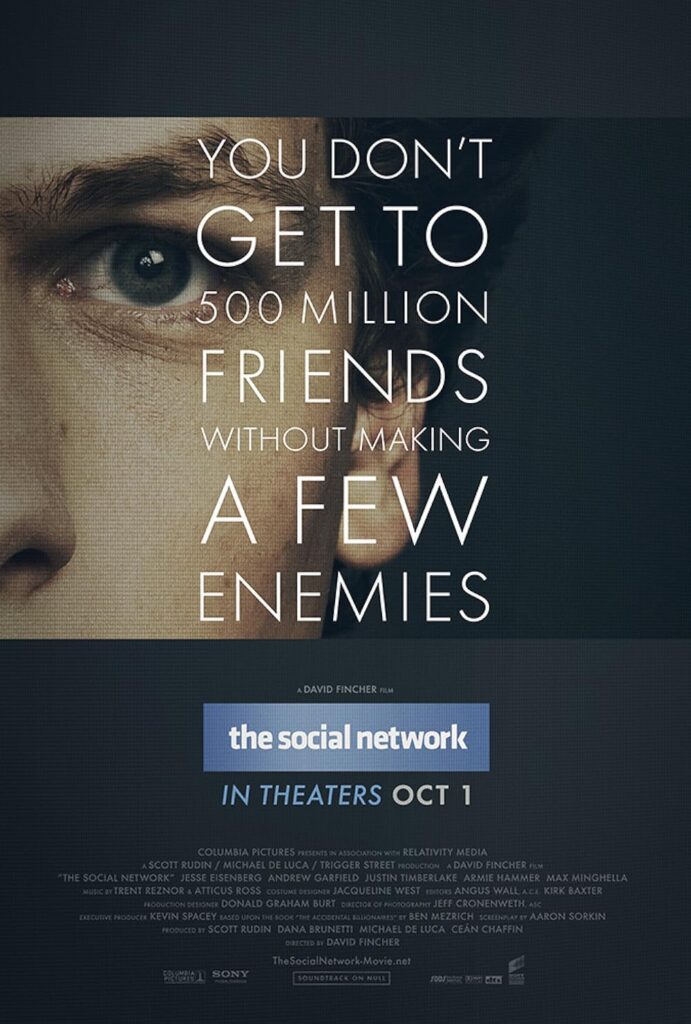
6. The Social Network (2010)
What you thought it was: A fast, sharp movie about Mark Zuckerberg and Facebook. Ambitious, entertaining, great dialogue.
What it actually is: A film about a specific kind of loneliness — the kind that exists in brilliant people who are better at building systems than relationships — and the way ambition can hollow out everything it was supposed to fill. Eduardo Saverin isn’t a side character. He’s the emotional center. The scene where he’s frozen out of the company he co-founded, by the person he thought was his friend, lands completely differently when you’ve experienced the slow dissolution of a real friendship.
Why it hits now: At 19 you admire Zuckerberg’s drive. At 32 you see the final image — him alone, refreshing a page, waiting — and it looks like a cautionary tale, not a triumph.
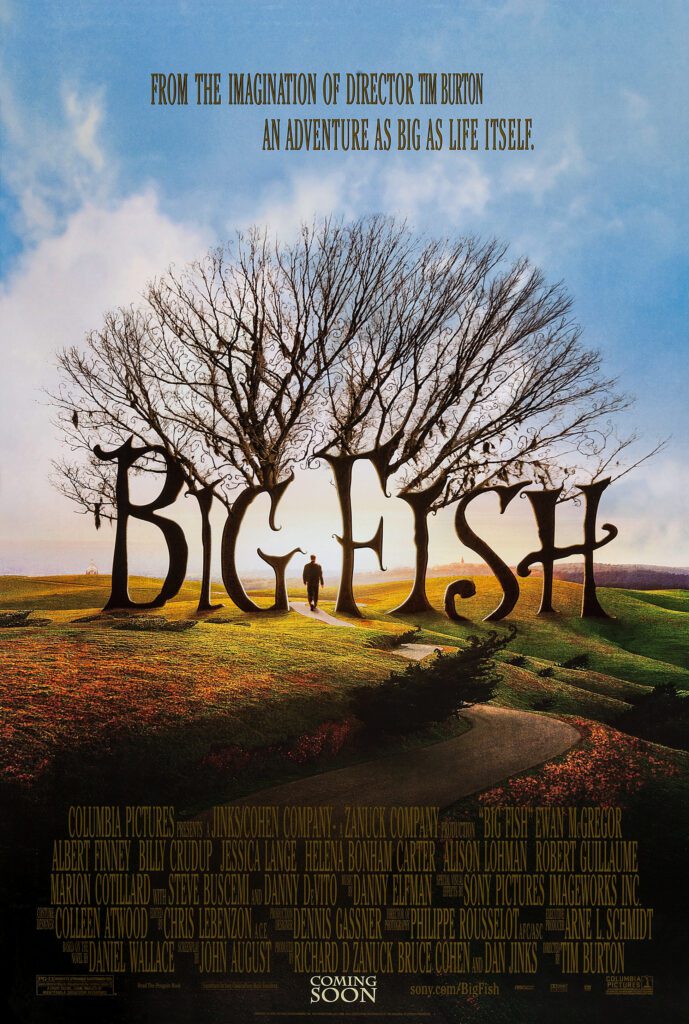
7. Big Fish (2003)
What you thought it was: A quirky, colorful Tim Burton fantasy about a man with an overactive imagination. Whimsical and odd.
What it actually is: A film about the relationship between a father and a son — and specifically about the painful moment when a child realizes their parent is a person, not a myth, and has to decide whether to let go of the legend to love the man underneath. If your relationship with a parent has ever been complicated, strained, or cut short, this film will destroy you in the final act.
The scene that changes: The son carrying his dying father to the river. At 16 it’s a beautiful fantasy sequence. At 35, if you’ve sat with a sick parent or grieved one, it becomes almost unbearable.
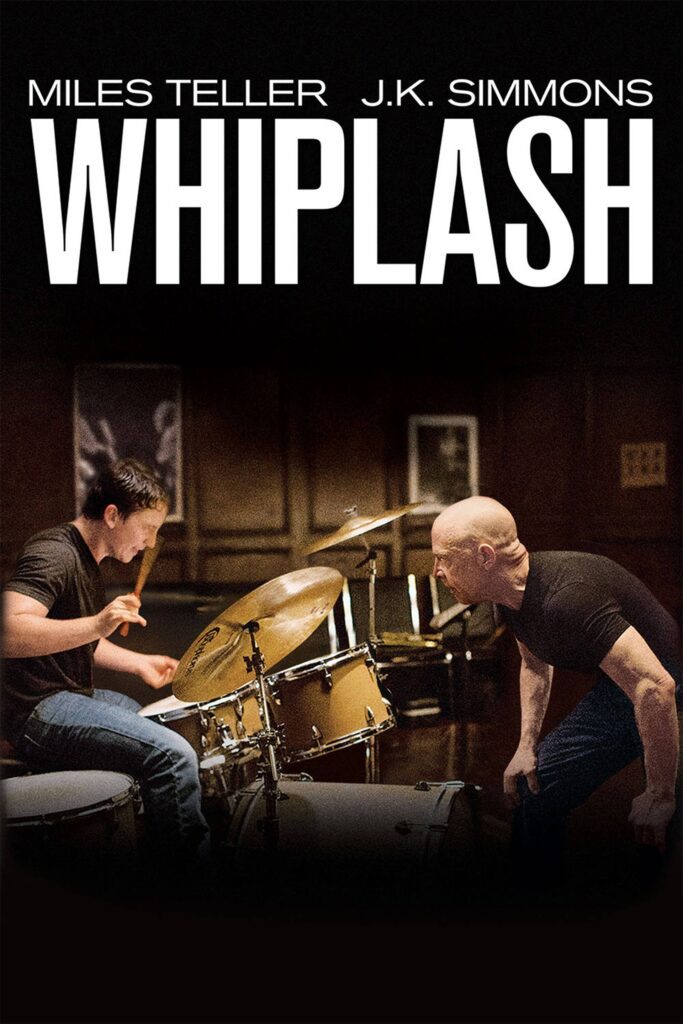
8. Whiplash (2014)
What you thought it was: An intense, electrifying film about a drummer and his brutal teacher. Thrilling. Great ending. Go Fletcher.
What it actually is: A deeply ambiguous film about the cost of obsession — and specifically about whether greatness achieved through psychological destruction is worth having. The final scene is intoxicating the first time. On rewatch, you start asking different questions. What did Andrew give up to get there? What’s left of him? Is that drumming, or is that just what winning looks like after you’ve lost everything else?
Why it hits now: Because by 30, you’ve seen people in your life — maybe yourself — sacrifice relationships, health, and years chasing something. Whether it was worth it isn’t always clear.
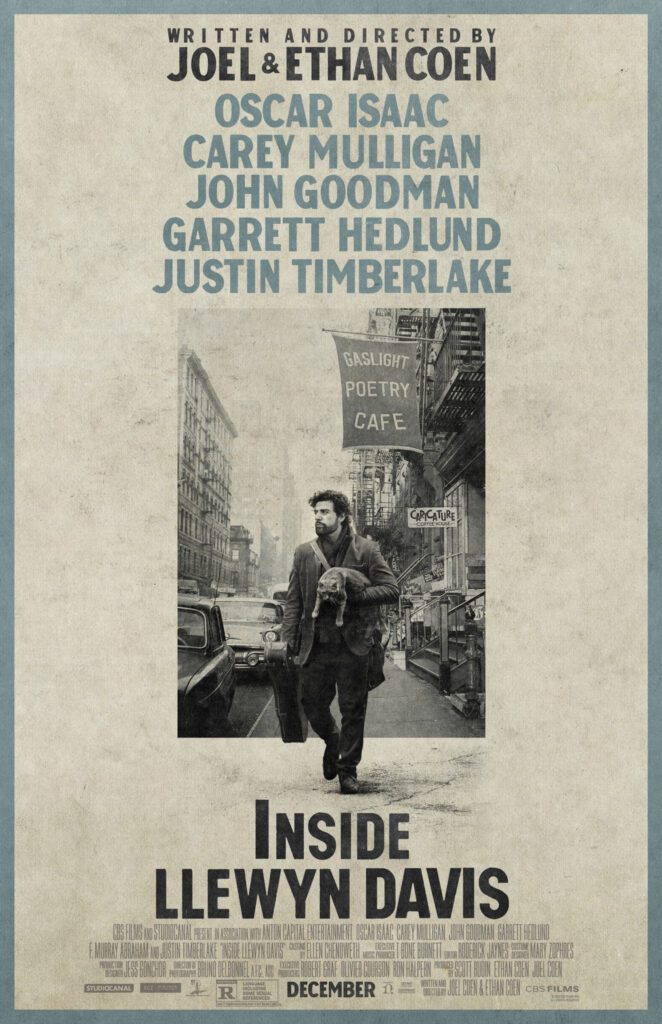
9. Inside Llewyn Davis (2013)
What you thought it was: A Coen Brothers film about a folk musician in 1960s New York. Bleak. Beautiful. Goes nowhere.
What it actually is: A film about talent without luck, effort without traction, and the specific cruelty of being good but not quite catching the moment. Llewyn Davis is not a cautionary tale about giving up. He doesn’t give up. He keeps going, and nothing happens anyway. The film asks the question most success narratives refuse to ask: what if you’re genuinely good and it just doesn’t work out?
Why it hits now: At 22, you believe enough in your own trajectory that Llewyn feels like someone else’s problem. At 33, you’ve watched enough talented people stall — or become Llewyn yourself in some area of your life — that the film becomes almost unbearably honest.
10. Adaptation (2002)
What you thought it was: A weird meta-movie about a screenwriter trying to adapt a book. Self-indulgent Hollywood navel-gazing.
What it actually is: A film about the terror of creating something — and specifically about the gap between the vision you have and your ability to execute it, and whether that gap ever closes. Charlie Kaufman’s script is about writing a script he can’t write, and somehow it becomes one of the most honest portrayals of creative paralysis ever put on screen. “You are what you love, not what loves you back” hits like a different thing depending on where you are in your life.
Why it hits now: Because by 30, you’ve started something and abandoned it. Or you’ve wondered if the thing you want to make is possible. Or you’ve looked at the gap between your taste and your output and felt it personally.
Why These Films, Specifically
These aren’t just “critically acclaimed movies adults appreciate.” That’s a different list. This list has a specific filter: each film contains emotional information that you could not have fully processed without living through something first.
The Truman Show requires you to have felt trapped. Eternal Sunshine requires you to have loved someone and lost the version of them you loved. About Schmidt requires you to have questioned what your work actually means. Big Fish requires you to have reckoned with a parent.
You don’t need to have done these things consciously. But if you’ve crossed 30 with your eyes open, most of them have probably found you in some form — and that’s what unlocks the second layer of these films.
That’s what rewatch culture is really about. Not nostalgia. Not comfort. The discovery that a movie you thought you understood was actually waiting for you to catch up.
Frequently Asked Questions
What movies feel different after 30? Films that deal with identity, time, career regret, relationship loss, and parent-child dynamics tend to hit differently after 30 — because you now have personal reference points for those experiences. The Truman Show, Eternal Sunshine, Lost in Translation, and Groundhog Day are among the most commonly cited.
Why do some movies mean more as you get older? Because understanding a film’s emotional core requires lived experience, not just intelligence. A 19-year-old can intellectually understand a film about grief, but they often can’t feel it the way someone who has grieved can.
What is the best movie to watch when you feel lost in your 30s? Groundhog Day is surprisingly effective — it’s about a man who has to rebuild his sense of purpose from nothing, daily, until change happens. About Schmidt is more confrontational but equally cathartic.
Are there films that capture the feeling of turning 30? Lost in Translation captures the ambient dissatisfaction and questioning of that period better than almost anything else. Inside Llewyn Davis captures the specific feeling of effort without guaranteed reward.
What are the best rewatchable films of all time? Films with layered scripts and emotional depth tend to reward rewatching most: Eternal Sunshine of the Spotless Mind, The Truman Show, Groundhog Day, Adaptation, and Whiplash are all films where your understanding actively shifts between viewings.
Solid write-up — learned a lot. Worth trying Pixwit — for all-in-one AI video.. Pixwit
Hey team zyntohub.com,
I’d love to discuss how we can grow your online visibility.
We help businesses rank higher on Google while also increasing their presence on AI-powered search platforms like ChatGPT, Gemini, Claude, and Perplexity.
Our SEO + AEO + GEO strategies help brands get discovered wherever customers search for answers.
May I send you a quote & price list?
Cheers,
Rosabel Edney | Founder & Project Head
Here you are