
10 Documentary Series That Changed How People Think About Real Events

The power of a documentary series lies in its ability to go where a 90-minute film cannot: into the granular, often uncomfortable details of the truth. In the last decade, and especially leading into 2026, the “Docuseries” has moved from a niche educational tool to a cultural phenomenon that can reopen cold cases, topple corporate giants, and shift public policy.
When a series truly “hits,” it doesn’t just inform the audience—it recontextualizes history. Here are 10 documentary series that fundamentally altered the public’s perception of real-world events.
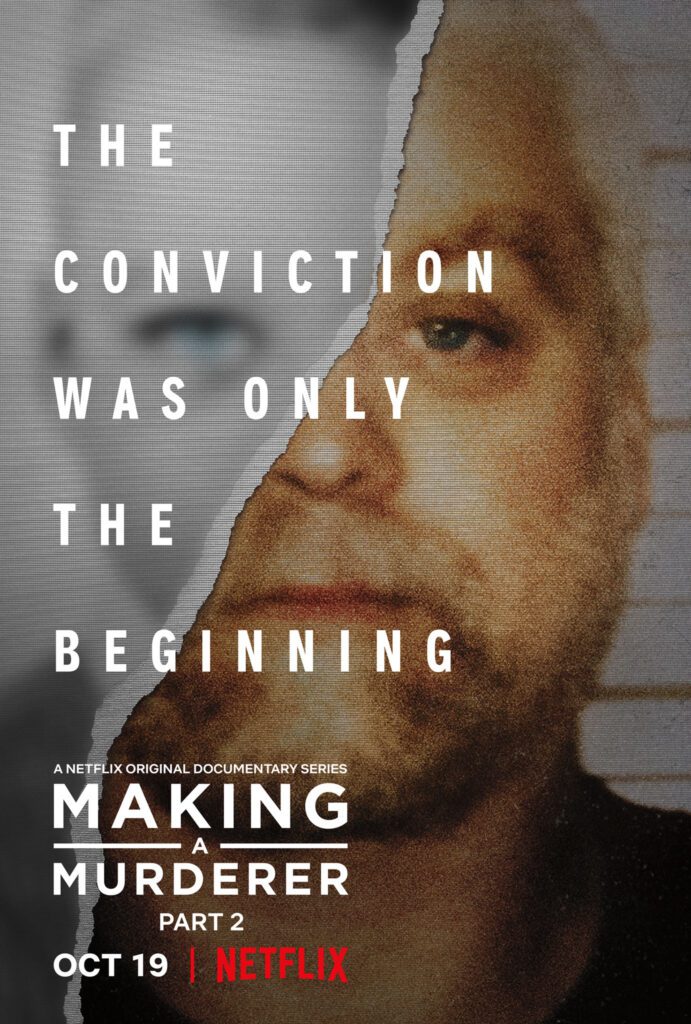
1. Making a Murderer (2015)
This is the series that ignited the modern “True Crime” obsession. By following the case of Steven Avery, it exposed the terrifying possibility of systemic corruption within local law enforcement.
- The Impact: It turned viewers into armchair detectives and sparked a global debate about the fallibility of the American justice system.

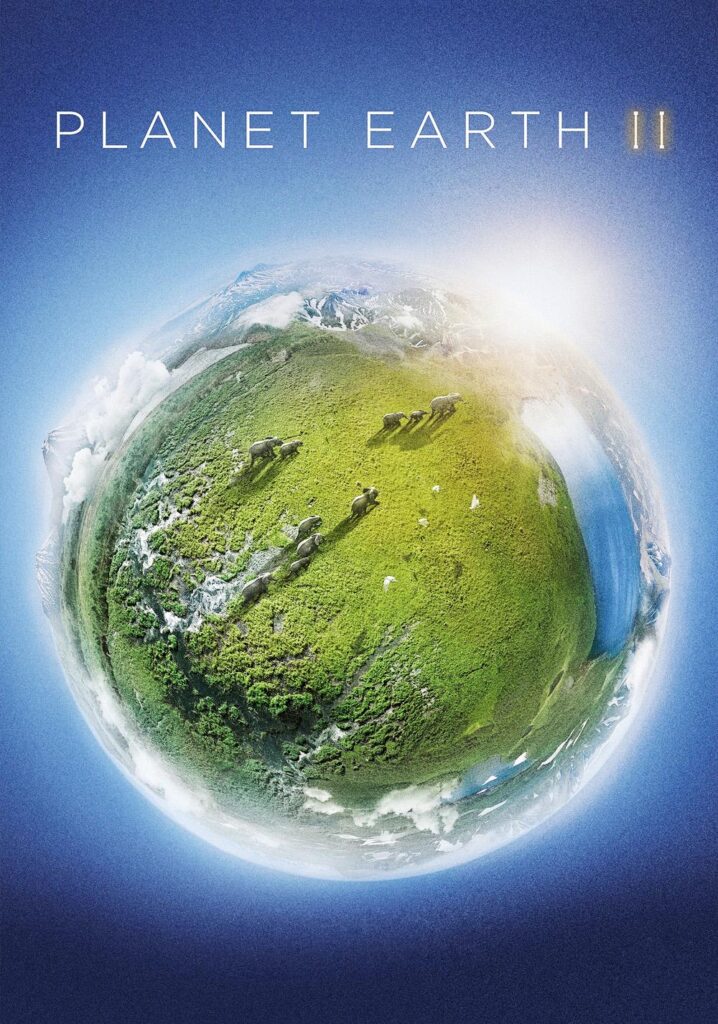
2. Planet Earth II (2016)
While the first series was about beauty, the second was about survival. Using revolutionary camera technology, it showed animals living in urban environments and the brutal reality of climate change.
- The Impact: It humanized the natural world in a way that made environmental conservation a deeply personal issue for millions.

Best Films to Rewatch After Turning 30: Movies That Hit Completely Different Now
Best Crime Dramas to Binge in 2026: Series With the Highest Rewatch Value
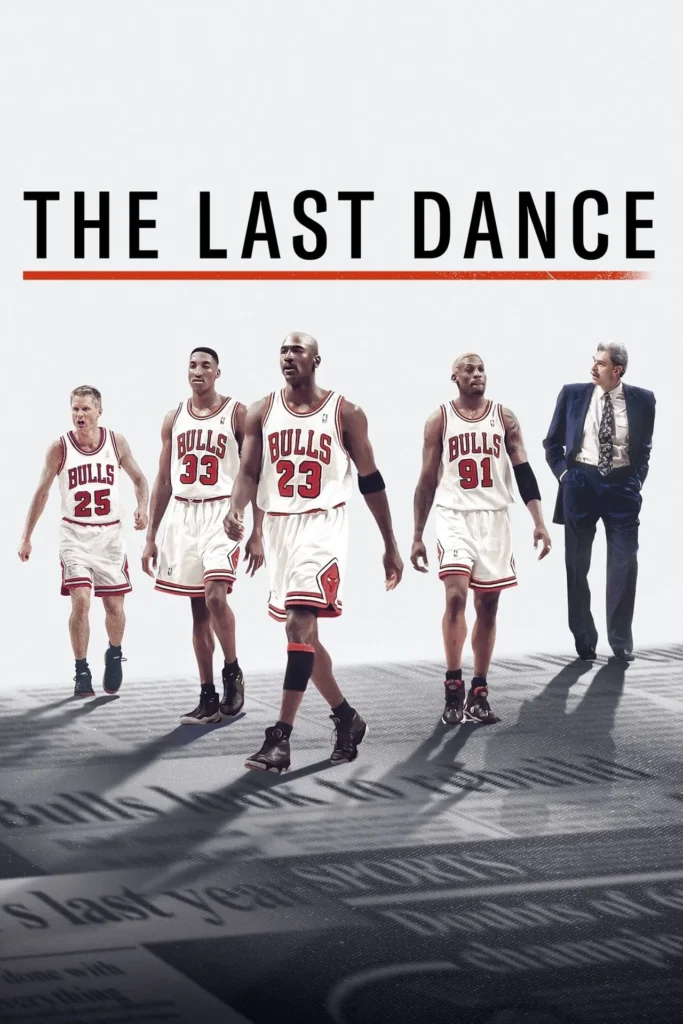
3. The Last Dance (2020)
This series redefined the “Sports Doc.” By deconstructing Michael Jordan’s final season with the Bulls, it showed the toxic, obsessive, and often ugly side of greatness.
- The Impact: It changed how we view sports icons, moving away from “hero worship” toward a complex understanding of the psychological cost of winning.

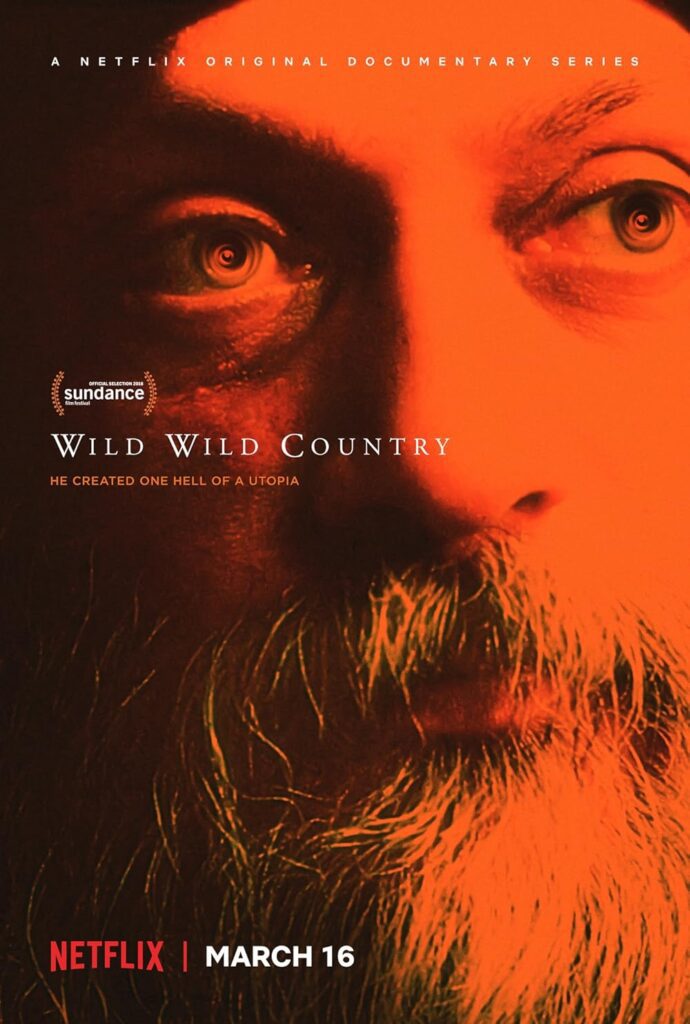
4. Wild Wild Country (2018)
A deep dive into the Rajneeshpuram community in Oregon. It challenged the binary view of “cults” by showing the legal and political warfare between a religious movement and a local town.
- The Impact: It forced viewers to question where “religious freedom” ends and “national security” begins.

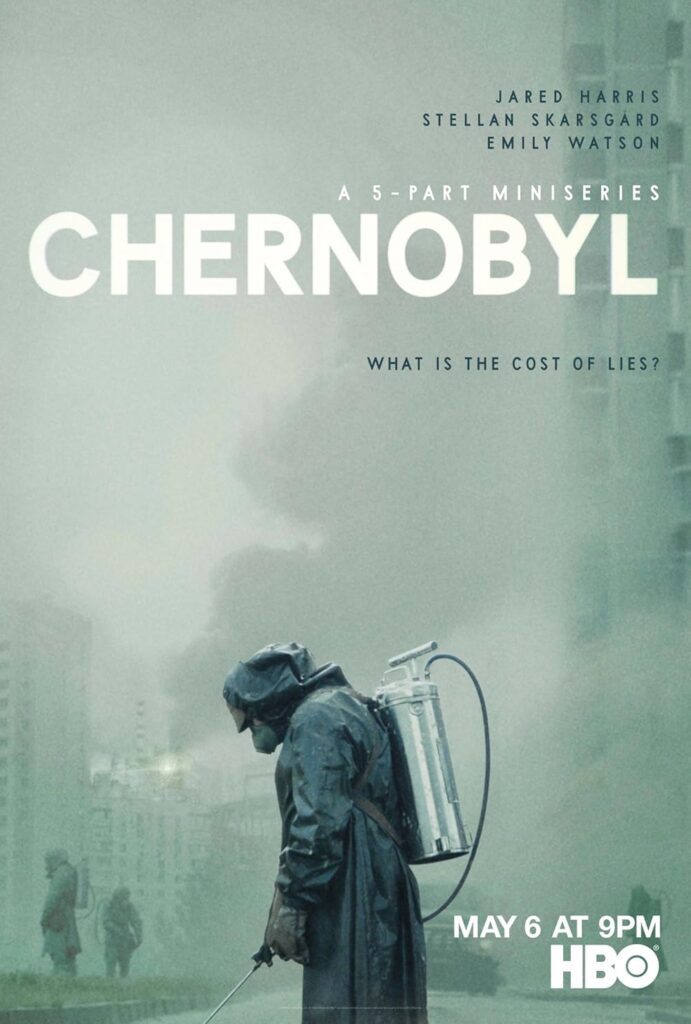
5. Chernobyl (2019)
Though technically a dramatized miniseries, its commitment to historical accuracy and the “cost of lies” functioned as a documentary for the masses.
- The Impact: It reframed the 1986 disaster not just as a technical failure, but as a systemic failure of state-sponsored misinformation—a theme highly relevant in 2026.

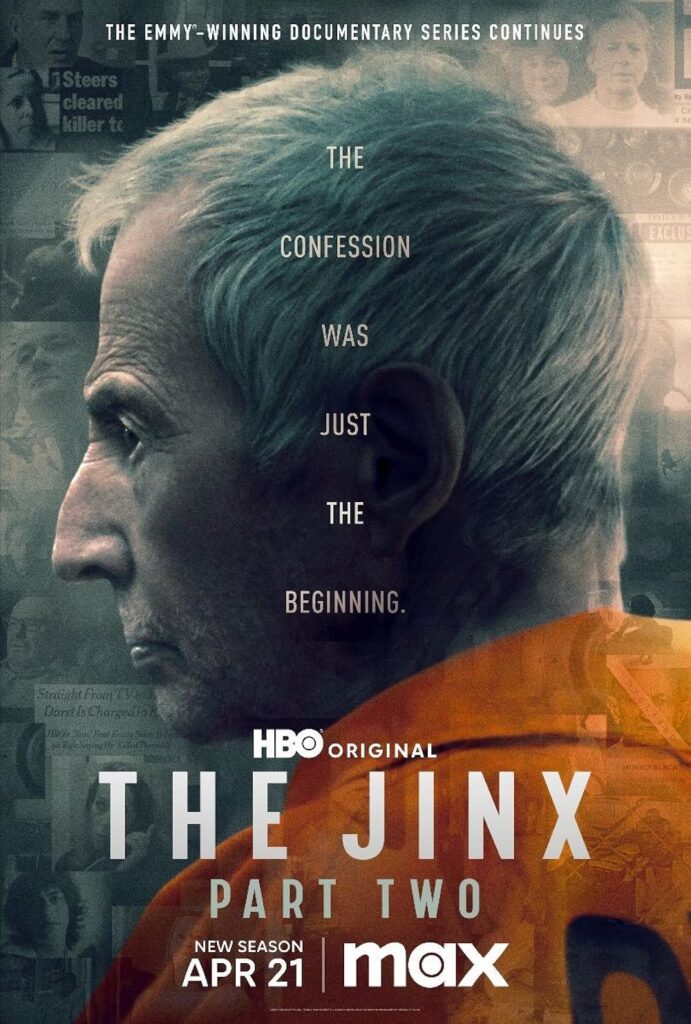
6. The Jinx: The Life and Deaths of Robert Durst (2015)
The gold standard for the “Gotcha” moment. The series followed billionaire Robert Durst, ending in one of the most shocking hot-mic confessions in history.
- The Impact: It proved that documentary filmmaking could literally function as an extension of the legal system, leading directly to Durst’s arrest.


7. Beckham (2023)
A masterclass in image rehabilitation and the reality of 90s tabloid culture. It showed the immense mental health toll of becoming a national scapegoat.
- The Impact: It changed how we perceive “celebrity hate,” making the public more empathetic toward the mental health of athletes under extreme pressure.

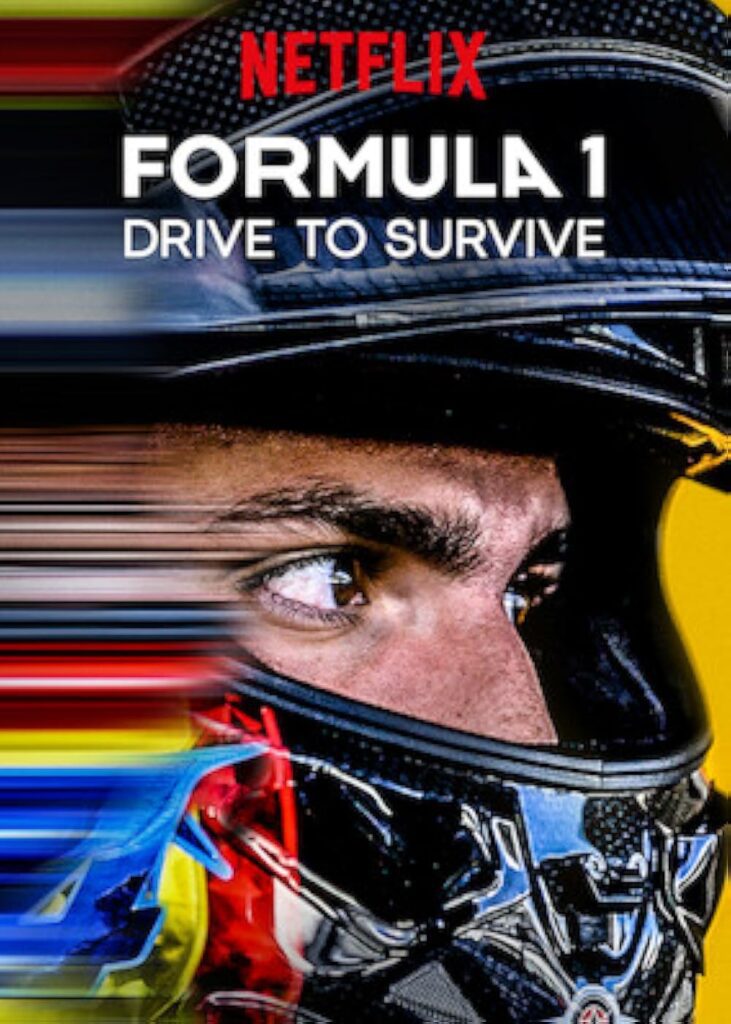
8. Formula 1: Drive to Survive (2019–Present)
This series did the impossible: it turned a technical, European-centric sport into a global narrative-driven drama.
- The Impact: It showed that “Real Events” are all about character arcs. It fundamentally saved a dying sport by focusing on human ego rather than engine specs.

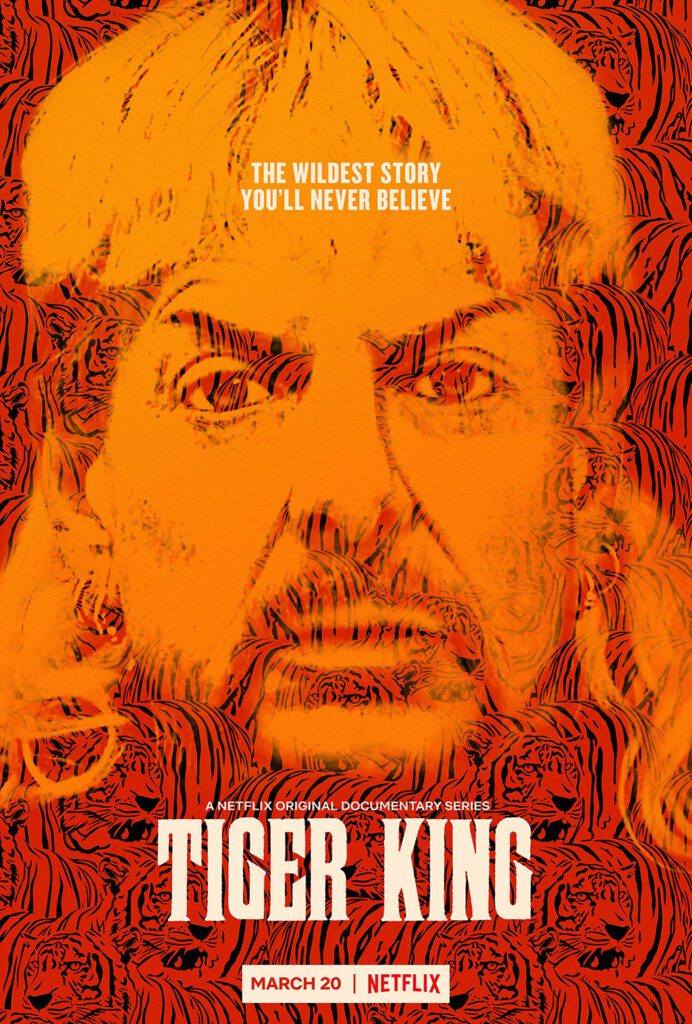
9. Tiger King (2020)
A bizarre look into the world of big cat breeding that became a global fever dream during the pandemic.
- The Impact: Beyond the memes, it exposed the complete lack of regulation in private zoos, eventually leading to the passage of the Big Cat Public Safety Act in the US.

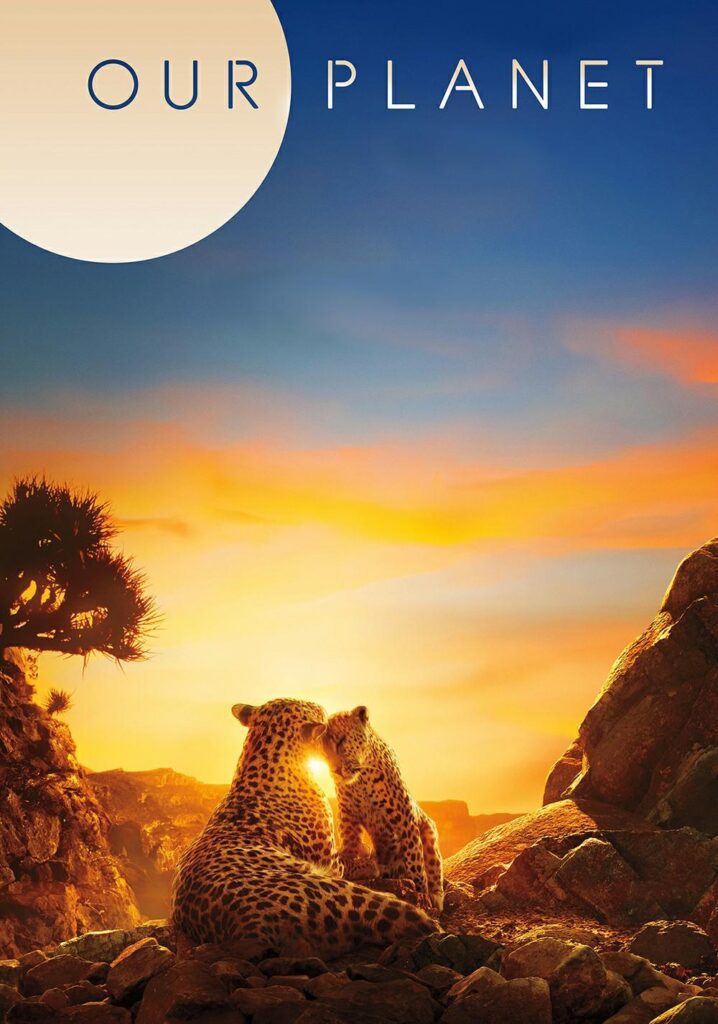
10. Our Planet (2019)
While Planet Earth was about wonder, Our Planet was a direct, unflinching call to action. It didn’t hide the dying ecosystems; it put them front and center.
- The Impact: It removed the “neutrality” from nature documentaries, forcing a generation to realize that witnessing nature is no longer enough—we must protect it.

The Power of the “Long-Form” Truth
Why do these ten series stand out? Because they refuse to simplify. In a world of 15-second clips, these series demand hours of your attention to explain that the truth is messy. Whether it is the legal intricacies of a murder trial or the complex ecology of a rainforest, these documentaries provide the “Deep Reset” that our brains need. They remind us that real events aren’t just headlines; they are lived experiences with consequences that last for decades.
Final Thoughts
As we move through 2026, the line between “news” and “documentary” continues to blur. These series have taught us to be skeptical of the first version of any story we hear. They prove that if you look long enough and deep enough, the real world is far more compelling—and often more terrifying—than anything a Hollywood screenwriter could invent.