
10 Influential Movies That Shaped Modern Culture — But Nobody Mentions Today

Some movies dominate conversation forever. Everyone still talks about blockbuster franchises, Oscar winners, and nostalgia classics.
But another category of films often gets overlooked: movies that quietly changed everything.
These are the films that inspired directors, predicted future trends, reshaped genres, influenced internet culture, or introduced ideas that later became mainstream. Many modern creators borrow from them without audiences even realizing it.
If you’ve ever watched a dystopian thriller, cyberpunk series, survival game, conspiracy story, or satirical media drama, chances are these movies helped build the blueprint.
Let’s look at ten influential movies that shaped modern culture — but somehow slipped out of everyday conversation.
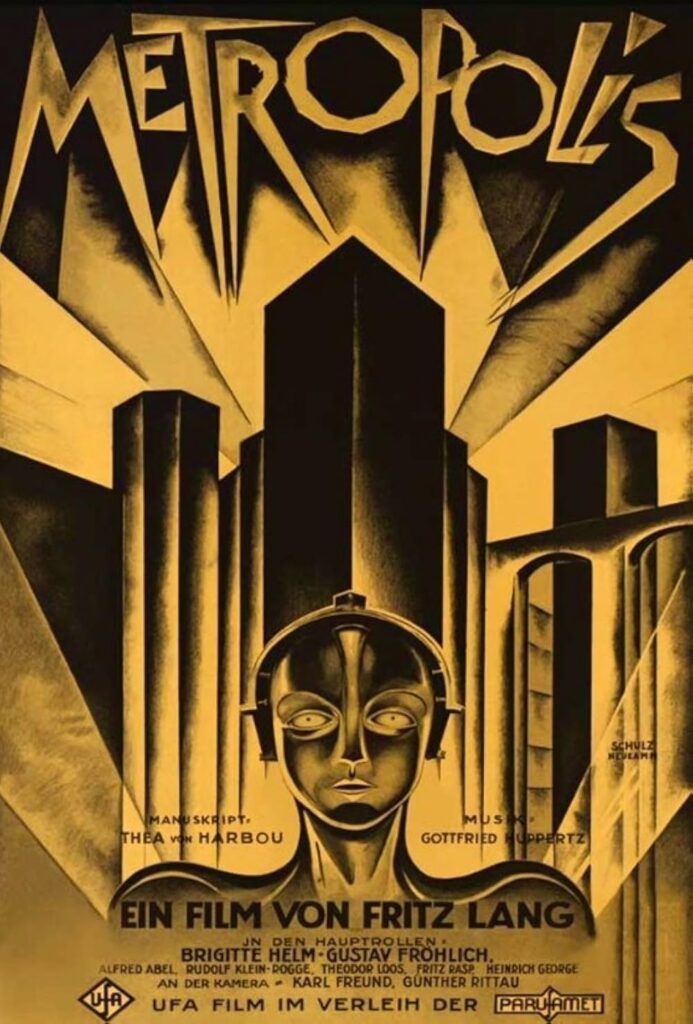
1. Metropolis (1927)
Long before modern science fiction existed, Metropolis imagined the future as a giant machine-run city divided between elites above ground and workers below.
That visual language became foundational. Towering skylines, mechanical workers, robot imagery, class-based dystopias, and futuristic urban anxiety all trace back here. You can feel its DNA in everything from cyberpunk movies to music videos and video games.
What makes it remarkable is how modern it still feels. It talks about inequality, automation, dehumanization, and technology controlling society — topics that feel even more relevant now.
Without Metropolis, the look of futuristic cinema would be very different.

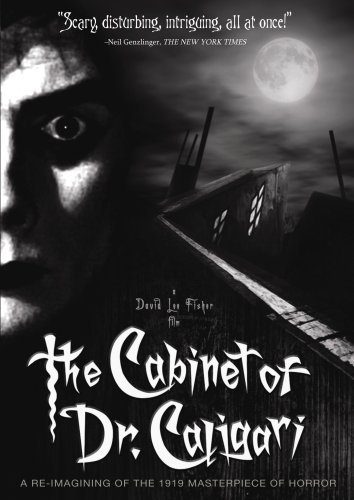
2. The Cabinet of Dr. Caligari (1920)
This silent German classic helped define psychological horror before the genre had rules.
Its twisted painted sets, sharp shadows, strange angles, and dreamlike atmosphere influenced horror for decades. You can see echoes of it in gothic films, noir lighting, Tim Burton aesthetics, and surreal psychological thrillers.
More importantly, it proved horror didn’t need monsters alone. Fear could come from mood, perception, manipulation, and unstable reality.
That idea still powers modern mind-bending horror.

Best Films of 2025 That You Probably Missed
Letterboxd vs IMDb vs Rotten Tomatoes: Which Rating System Should You Actually Trust?
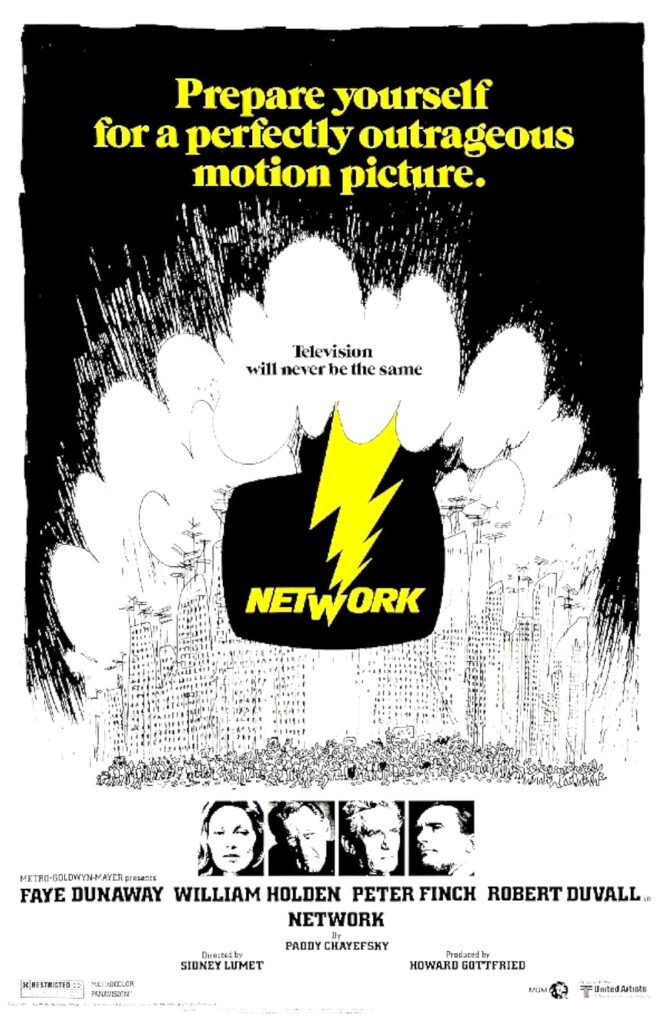
3. Network (1976)
If someone released Network today, people would call it satire about modern media. The wild part? It came out in 1976.
The film explores television chasing outrage, emotional manipulation, ratings obsession, and turning public anger into entertainment. Sound familiar?
Modern news cycles, algorithm rage bait, performative outrage, and “viral anger as business model” were all predicted here.
It’s one of the sharpest films ever made about media incentives — and maybe more accurate now than when it was released.

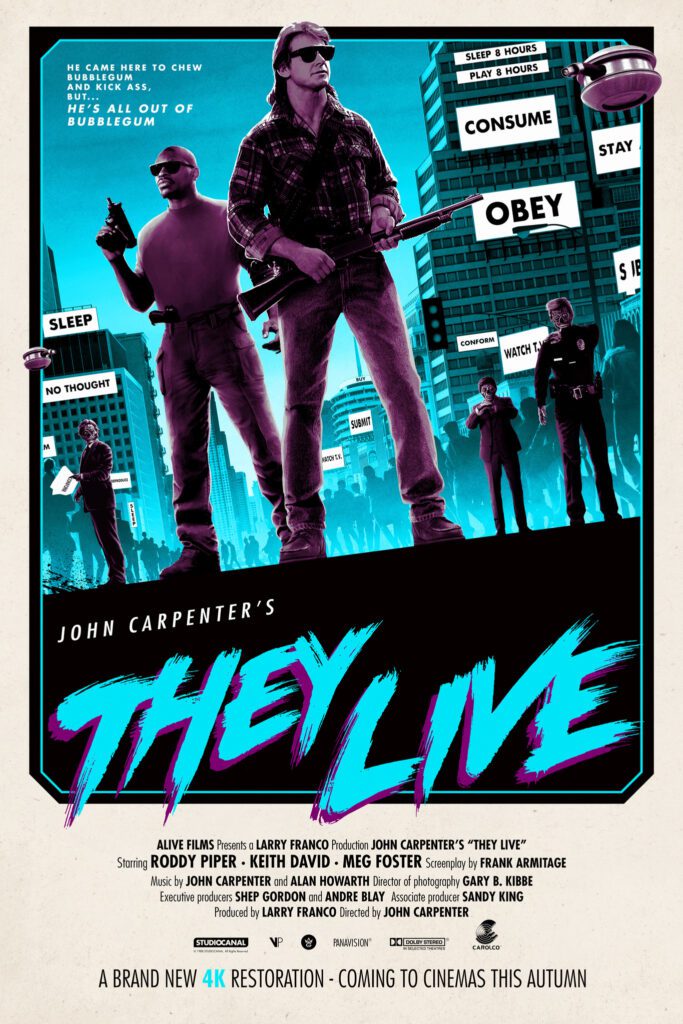
4. They Live (1988)
At surface level, it looks like a fun sci-fi action movie. Underneath, it’s a direct attack on consumer culture, hidden power systems, and manufactured obedience.
The sunglasses concept became iconic: put them on, and you see the truth behind advertising and authority.
That metaphor aged incredibly well. Today people use similar language when discussing propaganda, manipulation, branding, influencer culture, and systems hiding in plain sight.
Even memes about “seeing the truth” owe something to They Live.

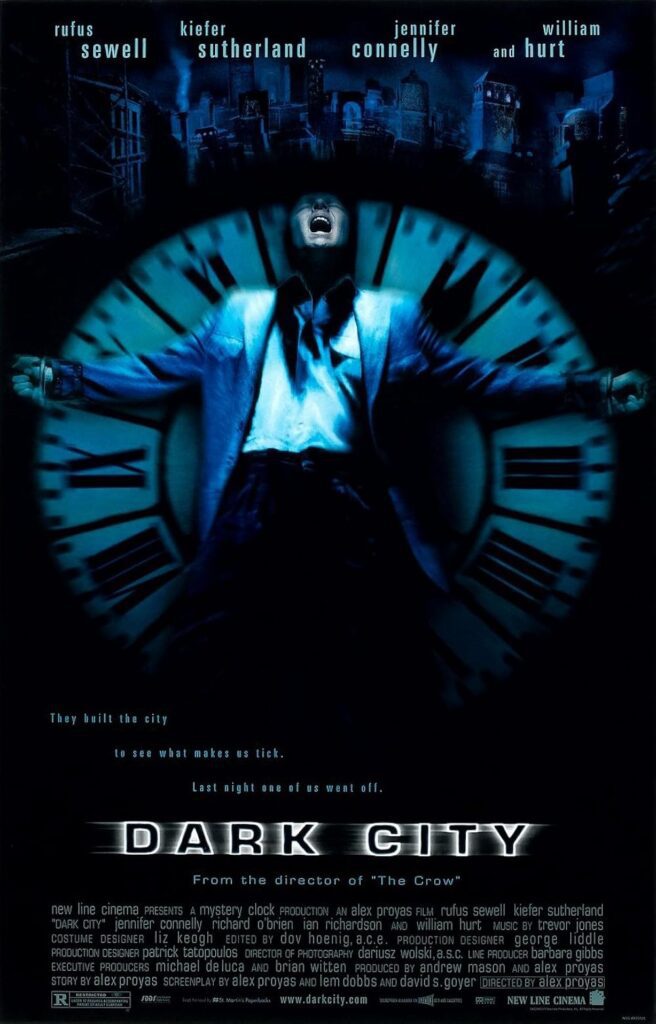
5. Dark City (1998)
Before identity-driven sci-fi exploded, Dark City was already there.
It mixed memory manipulation, artificial reality, noir visuals, and existential questions about who we are if our memories can be changed.
A lot of viewers now compare it with later reality-bending films, and for good reason. It helped normalize philosophical sci-fi that asks deeper questions instead of just showing lasers and explosions.
It’s stylish, strange, and more influential than its mainstream recognition suggests.

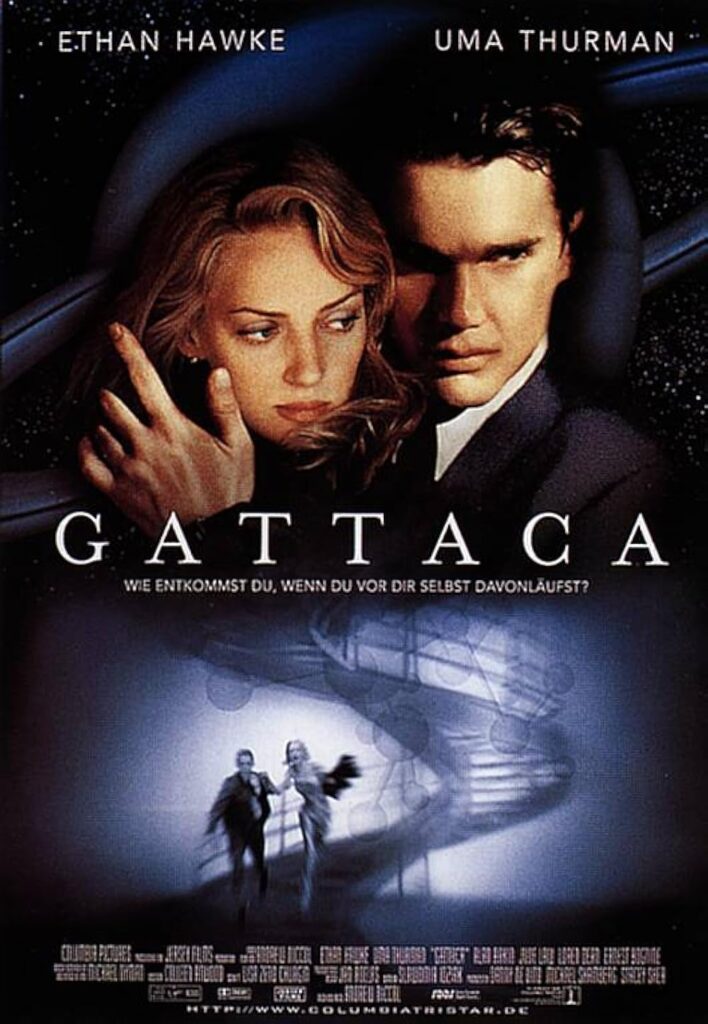
6. Gattaca (1997)
Long before public debates around gene editing became common, Gattaca explored a world where genetics determined status, opportunity, and social value.
The film raised uncomfortable questions:
- What happens when biology becomes a class system?
- Can talent be reduced to data?
- Does prediction destroy human potential?
Today, with AI hiring systems, genetic research, optimization culture, and obsession with metrics, its themes feel sharper than ever.
This is one of the smartest future-warning movies ever made.

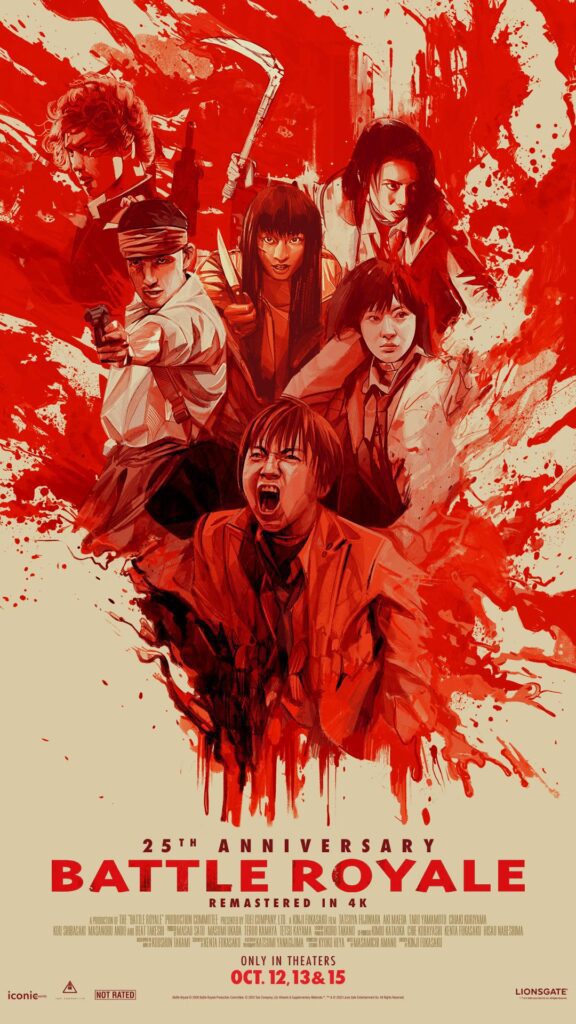
7. Battle Royale (2000)
A group of students forced into a deadly survival contest. That premise later became massive in pop culture.
Books, films, TV shows, and especially gaming culture borrowed elements of the survival-elimination formula. Competitive shrinking-zone games and last-person-standing structures exploded years later.
While newer audiences often associate the concept with later franchises, Battle Royale arrived early and hit hard.
Its influence on survival storytelling is huge.

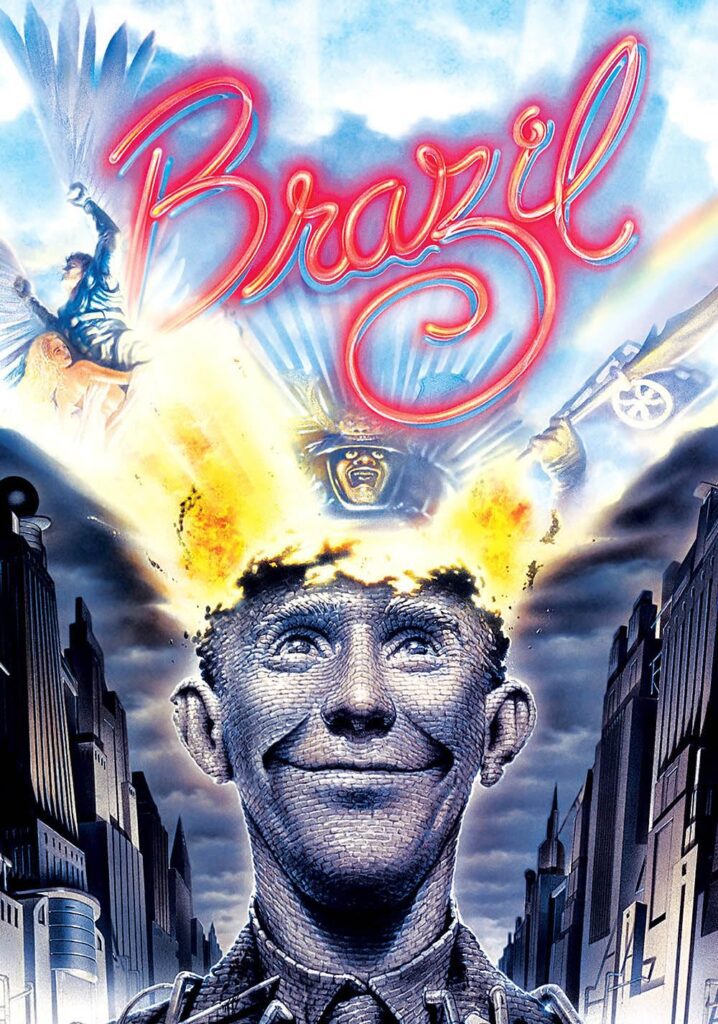
8. Brazil (1985)
Few films captured bureaucratic madness better than Brazil.
It shows a world crushed by paperwork, absurd systems, surveillance, and institutions so complex that nobody controls them anymore.
Modern viewers connect with it instantly because many people feel trapped in automated systems, endless forms, customer support loops, and faceless decision-making.
It’s funny, dark, chaotic, and disturbingly timeless.

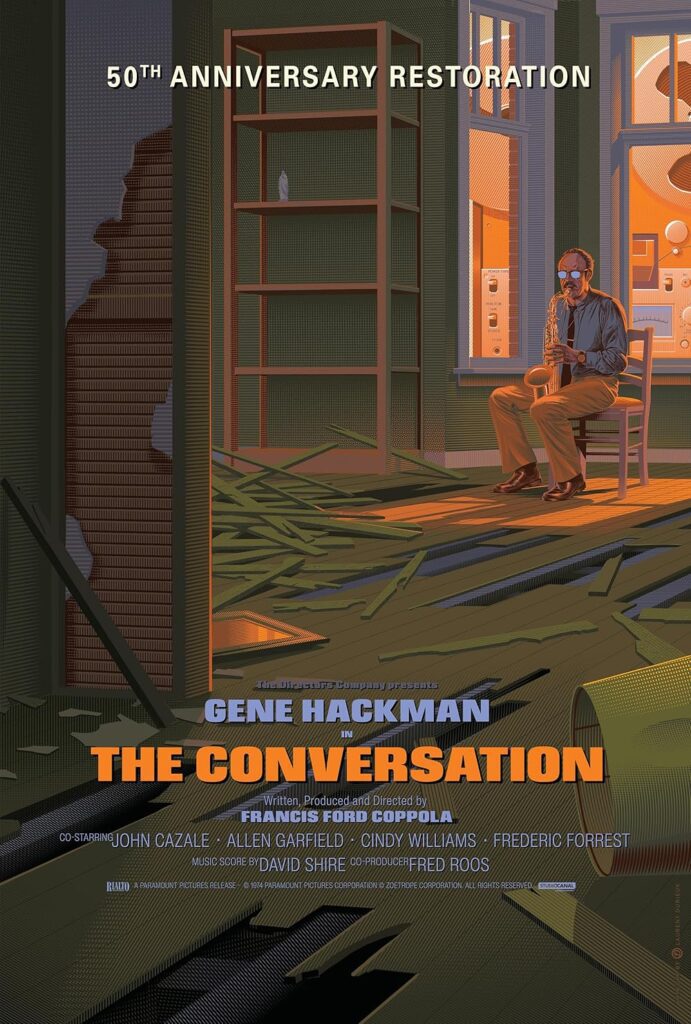
9. The Conversation (1974)
This thriller focuses on surveillance, privacy, obsession, and the psychological damage of constant monitoring.
That theme only grew stronger in the smartphone era.
Today we live with cameras everywhere, data collection, smart devices, metadata tracking, and blurred lines between safety and intrusion.
The Conversation feels less like an old thriller and more like a warning that arrived early.

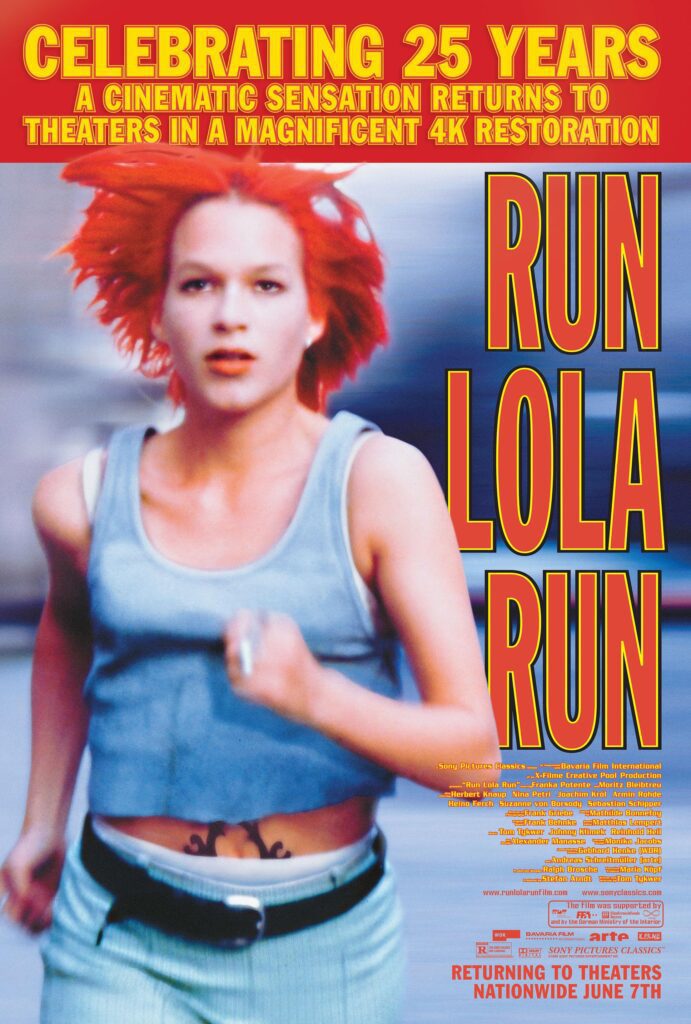
10. Run Lola Run (1998)
Fast editing, alternate timelines, repeated scenarios, game-like structure, kinetic pacing — Run Lola Run was ahead of its time.
Its energy influenced music videos, action editing styles, nonlinear storytelling, and films that replay scenarios with different outcomes.
It also helped normalize storytelling that feels interactive, almost like a video game run attempt.
That style is now everywhere.

Quick Table
| Movie | Main Influence | Why It Still Matters |
|---|---|---|
| Metropolis | Sci-fi city design | AI, inequality, automation |
| Dr. Caligari | Horror visuals | Psychological fear |
| Network | Media satire | Rage economy |
| They Live | Anti-consumer themes | Propaganda culture |
| Dark City | Reality-bending sci-fi | Identity questions |
| Gattaca | Genetic ethics | Data-based inequality |
| Battle Royale | Survival format | Gaming & competition |
| Brazil | Bureaucratic dystopia | System fatigue |
| The Conversation | Surveillance thriller | Privacy debates |
| Run Lola Run | Nonlinear pacing | Modern editing style |
Final Thoughts
A movie doesn’t need to be talked about every day to matter.
Some films become legends through awards and popularity. Others quietly shape the future from the shadows. They influence directors, internet culture, games, design, and public thinking without casual audiences noticing.
That’s what makes these movies special.
They didn’t just entertain people in their own era. They helped build ours.
If you watch them now, many won’t feel old at all. They’ll feel strangely current.