
Studios Destroyed by One Game (But Not Bankrupt)

How major developers were crippled, shut down, absorbed, or permanently damaged after a single disastrous project.
Not every studio collapses through bankruptcy.
In the gaming industry, death often comes more silently — through corporate restructuring, cancelled projects, lost publishing support, or a catastrophic failure that forces a publisher to pull the plug.
The following studios were not legally bankrupt, yet one major game (or one critical project failure) effectively destroyed them.
They lost their identity, their independence, their staff, or their entire market position — even if the company never filed formal insolvency papers.
Each case is backed by reputable sources including Polygon, Kotaku, PC Gamer, GamesIndustry.biz, Eurogamer, and official publisher statements.
1. Lionhead Studios — Fable Legends and the Collapse of a British Icon
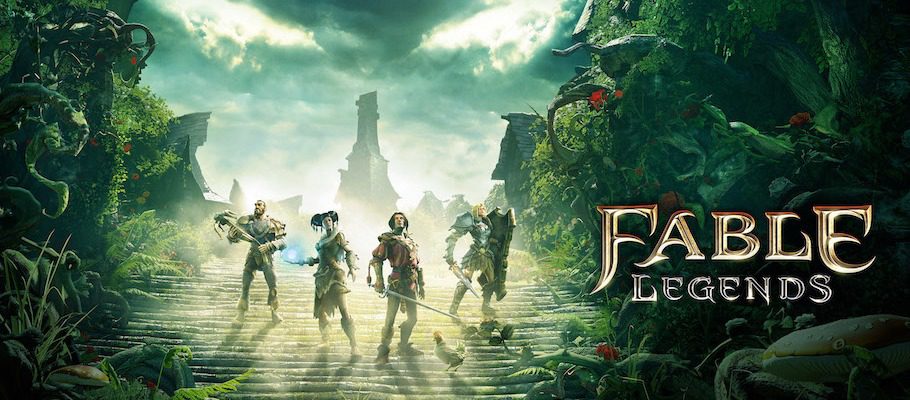
Key Project: Fable Legends (cancelled, 2016)
Founded: 1996
Dissolved: 2016
Status: Officially closed by Microsoft — not bankrupt
The Legacy
Lionhead Studios was a legendary UK developer responsible for Black & White and the first three Fable games. Their reputation was built on ambitious ideas and Peter Molyneux’s charismatic creative leadership.
But after Microsoft acquired them in 2006, the company slowly shifted toward big-budget “games as a service,” culminating in Fable Legends.
The Fatal Project
Fable Legends was a free-to-play multiplayer live-service project running on Unreal Engine 4.
It was in development for about four years, consuming huge resources and becoming the centerpiece of Lionhead’s future plans.
But everything went wrong:
- Project ballooned in cost
- The live-service model didn’t convince internal leadership
- Multiple delays signaled deep production issues
- Microsoft changed long-term strategy away from F2P experiments
On March 7, 2016, Microsoft announced:
“After much consideration, we have decided to cease development on Fable Legends and propose closing Lionhead Studios.”
— Microsoft Studios statement (Source: GamesIndustry.biz)
The Closure
The studio was dissolved a few months later.
Hundreds of employees were laid off.
The Fable IP remained at Microsoft, but the original creators were gone.
Cause of Death
- One massive, expensive, directionless project
- Publisher loss of confidence
- Failed attempt at transitioning to a service model
Verdict:
Lionhead didn’t go bankrupt — they were killed by one project that consumed everything.
Best Games for Couples to Play Together in 2026: Co-op From Easy to Competitive
Top 10 Asian Games That Conquered the World
2. Visceral Games — Battlefield Hardline, Star Wars, and EA’s Restructuring Axe
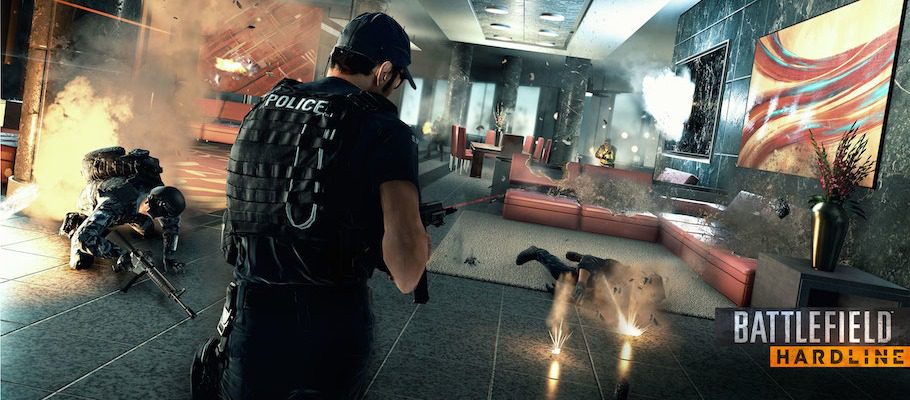
Key Project: Battlefield Hardline (2015) & cancelled Star Wars project
Founded: 1998
Closed: 2017
Status: Shut down by EA — not bankrupt
Background
Visceral Games began as EA Redwood Shores, rising to fame with the horror classic Dead Space.
They were known for tight single-player design and polished narrative-driven action.
But EA’s strategic direction shifted:
- Preference for multiplayer
- Preference for Frostbite engine
- Preference for games-as-a-service
This made life extremely difficult for a studio specialized in linear, expensive, single-player campaigns.
The First Blow: Battlefield Hardline
Visceral was tasked with developing Battlefield Hardline, a cops-and-robbers spin-off of DICE’s flagship FPS.
Hardline:
- Reviewed poorly
- Sold below EA expectations
- Damaged Visceral’s internal credibility
Sources:
- Polygon: “Battlefield Hardline sales disappoint EA”
- PC Gamer: “The troubled legacy of Hardline”
Check Battlefield Hardline on: Steam
The Second (Final) Blow: Star Wars Ragtag
Amy Hennig (ex–Uncharted writer) joined Visceral to create a big-budget narrative-driven Star Wars game codenamed Ragtag.
But:
- Making linear games on Frostbite was notoriously difficult (confirmed by BioWare devs in the Anthem postmortem)
- The project missed milestones
- Budget grew
- EA publicly questioned the viability of single-player blockbusters
In 2017, EA announced:
“Visceral Games will be closing. We are shifting the project to a broader experience.”
— EA’s Patrick Söderlund
Star Wars Ragtag was cancelled. Visceral shut down that same month.
Cause of Death
- Underwhelming Battlefield Hardline
- Technical struggles with Frostbite
- EA pivot to multiplayer & live service
- Failure to complete Star Wars Ragtag on schedule
Verdict:
Visceral wasn’t bankrupt — they were a victim of changing publisher priorities and one disastrous development cycle.
3. Telltale Games — Not Killed by One Title, But One Final Failure Triggered Collapse
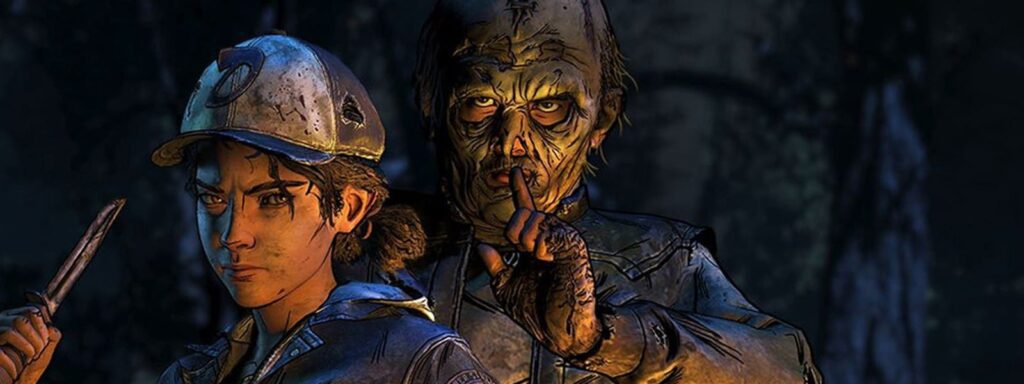
Key Project: The Walking Dead: The Final Season (2018, mid-production)
Founded: 2004
Closed: 2018
Status: Mass layoffs → liquidation of assets (not formal bankruptcy)
Context
Telltale reinvented adventure games with:
- The Walking Dead
- Wolf Among Us
- Tales from the Borderlands
But behind the scenes:
- Toxic crunch culture
- Unsustainable production pipeline
- Too many licensed IPs
- Weak sales for multiple series (Game of Thrones, Batman, Guardians of the Galaxy)
The Trigger Event
The studio secured a major partnership with Netflix (Minecraft: Story Mode adaptation), but the funding collapsed last minute.
According to a key Polygon investigation:
A deal fell through “within days” of payroll, leaving the company unable to sustain operations.
At the same time, The Walking Dead: The Final Season launched to lower-than-expected sales.
On September 21, 2018, Telltale laid off 250+ employees with no severance.
Cause of Collapse
- Over-expansion
- Failing licensed titles
- Lost investor deal
- Decline of TWD sales
- Severe mismanagement
Verdict:
Telltale wasn’t killed by one game alone, but one failed project cycle + one lost investor triggered the immediate shutdown.
4. Red Candle Games — Devotion and the Political Firestorm That Destroyed Their Market
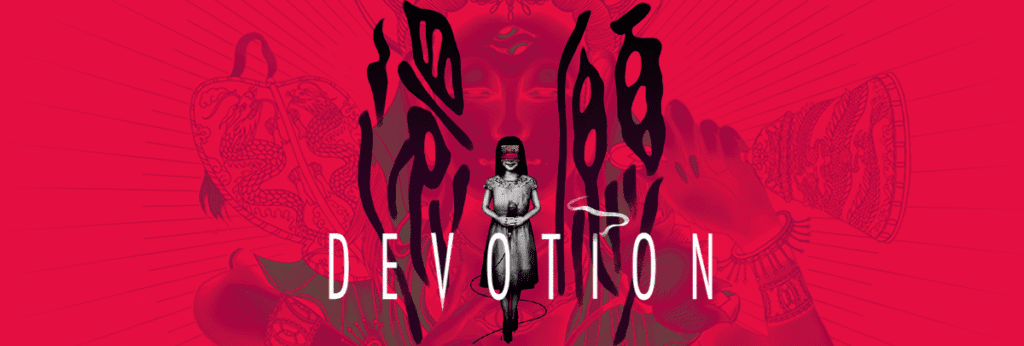
Key Project: Devotion (2019)
Founded: 2015
Still exists, but market access destroyed
Status: Near-total collapse, not bankruptcy
The Scandal
Red Candle released Devotion, a critically acclaimed Taiwanese horror game.
Inside the game was a hidden texture mocking China’s President Xi Jinping (“Winnie the Pooh” meme), which triggered:
- Outrage from Chinese players
- Review bombing
- Removal from Steam
- Cancellation of publishing deals
- Blacklisting in mainland China
The Fallout
Publishers dropped the studio.
Chinese market access — gone permanently.
The studio couldn’t release games on mainstream platforms for years.
Cause of Collapse
- Political censorship
- Loss of primary market (China)
- No publisher willing to risk working with them
Verdict
Red Candle wasn’t bankrupt — but Devotion effectively destroyed their commercial future overnight.
5. Big Huge Games — Caught in the Crossfire of 38 Studios’ Collapse
Key Project: Rise of Nations: Rise of Legends (2006) and later Kingdoms of Amalur support
Founded: 2000
Closed: 2012 (as collateral damage in 38 Studios bankruptcy)
Status: Dissolved due to parent company collapse
The Context
Big Huge Games originally developed Rise of Nations and Rise of Legends under Microsoft.
But after financial issues, they were acquired by 38 Studios.
The studio helped create Kingdoms of Amalur: Reckoning.
The Death
When 38 Studios collapsed in 2012 (see article #1), Big Huge Games collapsed with it.
They were not independently bankrupt — but were legally dissolved when the parent company died.
Verdict
They weren’t killed by one game they made — they were killed by the bankruptcy of the company that owned them.
Final Thoughts — The Many Ways a Studio Can Die Without Going Bankrupt
What unites these cases isn’t financial insolvency — it’s the fragility of modern game development.
Lionhead
Died when Microsoft lost faith in a massive project.
Visceral
Died because one game (Hardline) underperformed and the next (Star Wars Ragtag) couldn’t hit milestones.
Telltale
Died from mismanagement, crunch culture, and one missed investor deal.
Red Candle
Died commercially due to political censorship.
Big Huge Games
Died because their parent company collapsed under one MMO project.