
The Future of Artificial Intelligence in 2026 — Smarter, Faster, Everywhere

Artificial Intelligence isn’t a trend anymore —
it’s the foundation of the modern world.
From your phone camera to your car, from trading to songwriting —
AI is no longer a tool. It’s the invisible system behind everything.
And in 2026, AI is going fully mainstream —
smarter, faster, and truly everywhere.
1. From Smart Tools to Smart Ecosystems
Just a few years ago, AI meant “a chatbot” or “an image generator.”
Now, it’s an entire ecosystem.
AI no longer lives inside one app — it lives around you:
your home, your car, your office, your fridge — all running versions of it.
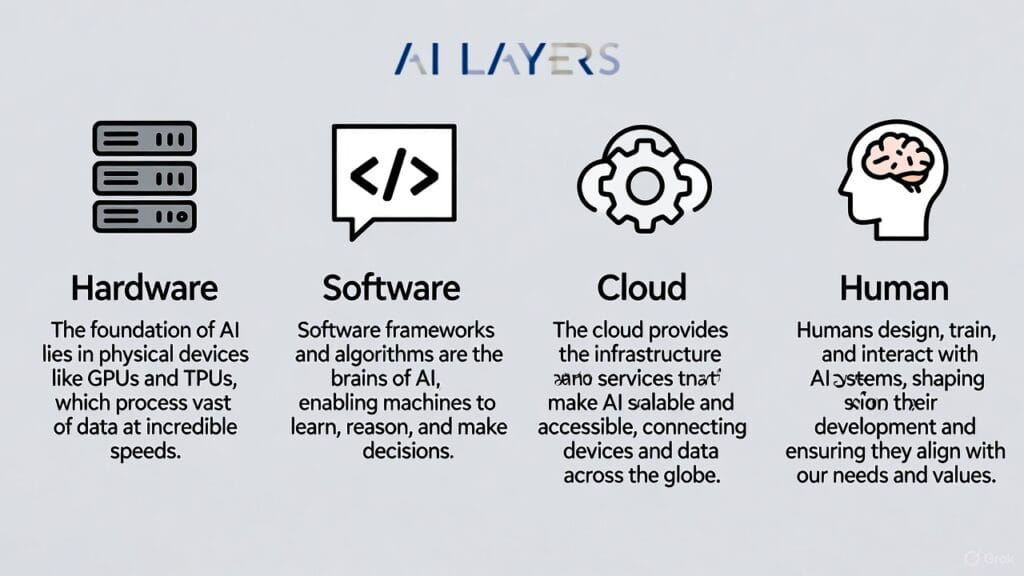
| Layer | Example | Description |
|---|---|---|
| Hardware | Apple Neural Engine, Nvidia AI chips | Local, ultra-fast processing |
| Software | Microsoft Copilot, Adobe Firefly | Productivity redefined |
| Cloud / API | OpenAI, Anthropic, Google DeepMind | AI models as global services |
| Edge Devices | Smart glasses, IoT, AR devices | Context-aware intelligence |
It’s no longer “AI inside devices” — it’s devices inside AI.
Best AI Tools for Students in 2026 That Professors Haven’t Banned Yet
Why Every Gadget Looks the Same in 2025 — and Why That’s a Problem
2. The Rise of Personal AI
The biggest AI trend of 2026 is personalization.
Your assistant won’t just “help” — it will know you.
It will learn your habits, remember your tone, track your goals,
and even finish your sentences.
Your AI will:
- Plan your day automatically
- Monitor health and recovery
- Adapt to your voice and personality
- Talk naturally, like a digital version of you
Think Jarvis — but quiet, personal, and always by your side.
“Hey, summarize my week and book a rest day next Thursday.”
Done — before you finish your coffee.
3. The New AI Race — GPT-5, Gemini, Claude, xAI
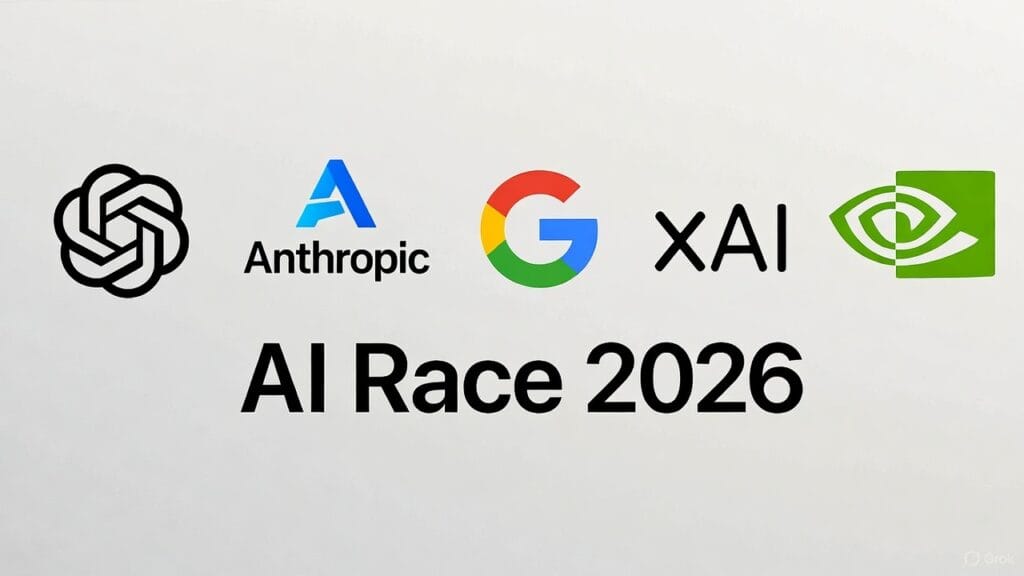
The AI race of 2026 is not just about power — it’s about trust.
The biggest players are redefining what intelligence means.
⚙️ OpenAI — GPT-5 and Beyond
Multimodal reasoning, long-term memory, deep creativity.
GPT-5 is becoming the universal interface for work, study, and art.
🧠 Anthropic Claude 3
Ethical, aligned, and deeply contextual — understands nuance like never before.
🌐 Google Gemini 1.5–2
Built directly into Gmail, Docs, and YouTube — AI that feels native.
🧩 xAI (Elon Musk)
Focused on truth, reasoning, and real-world grounding — fighting bias and misinformation.
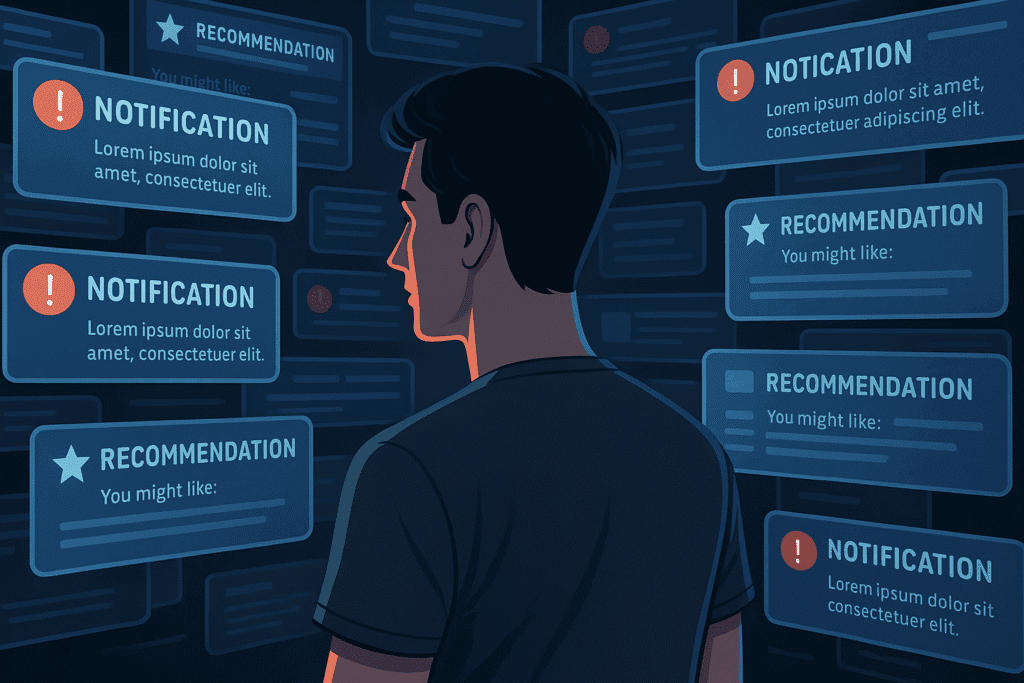
4. AI in Daily Life — You Already Live Inside It
You probably interact with AI over 50 times a day:
- Netflix recommendations
- Gmail’s smart replies
- TikTok’s algorithm predicting your attention
- Apple Photos recognizing faces automatically
By 2026, it’s no longer about “using AI.”
It’s about living inside AI-driven systems that anticipate your needs.
5. The Merge of AI and Reality
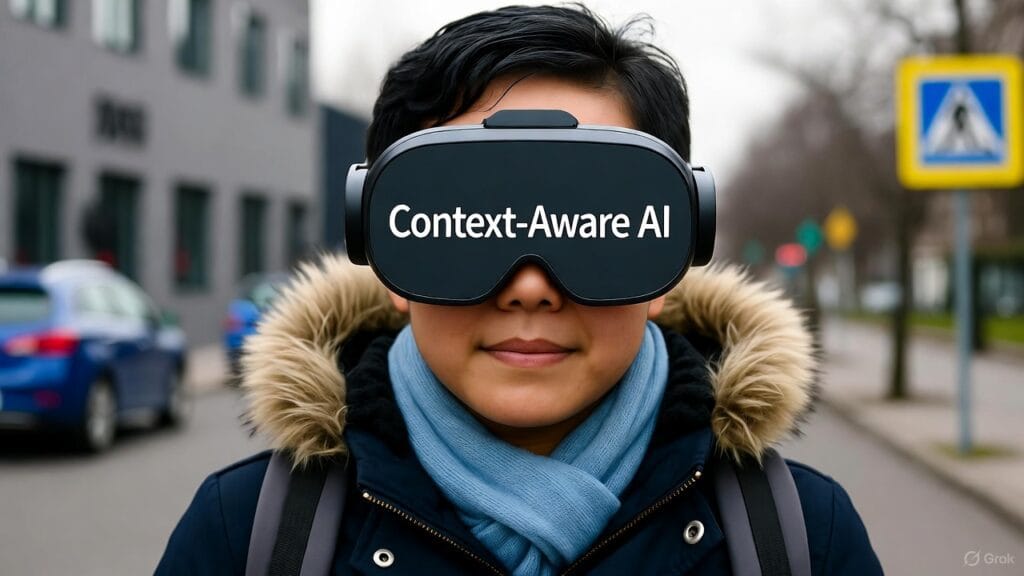
Thanks to vision-language models like GPT-V and Gemini, AI can now “see” the world.
Smart glasses describe what you see.
Cars detect driver fatigue.
AR assistants appear in real time, blending into your surroundings.
This is ambient intelligence — AI not just in your phone,
but in your environment.
6. How AI Is Transforming Every Industry
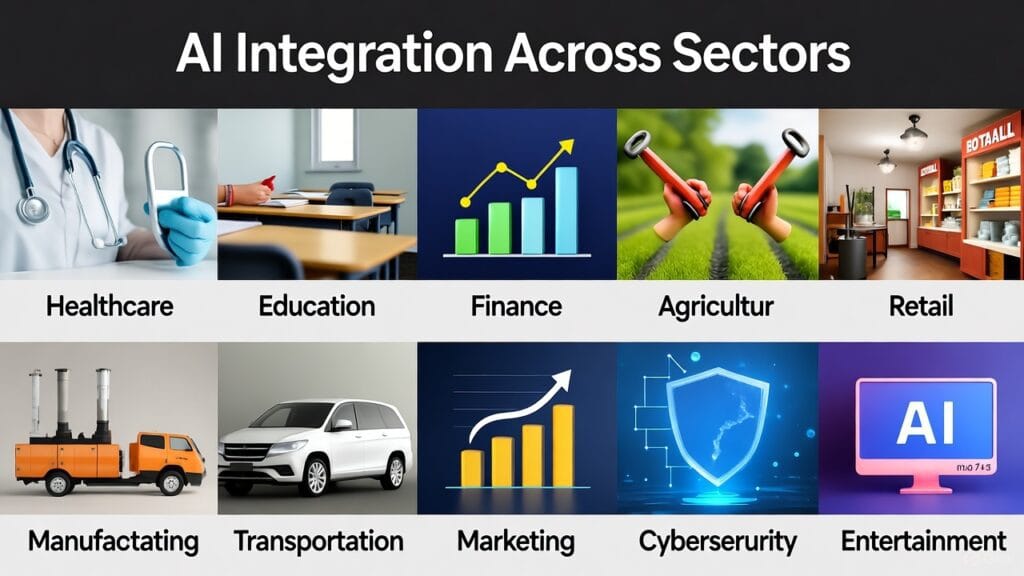
| Sector | Impact in 2026 |
|---|---|
| Healthcare | AI diagnoses and manages chronic conditions; personalized medicine grows fast. |
| Finance | Predictive bots and AI trading dominate global markets. |
| Education | AI tutors and personalized learning systems become mainstream. |
| Entertainment | Synthetic voices, AI actors, entire shows generated digitally. |
| Retail | Smart stores with emotion detection and adaptive pricing. |
| Manufacturing | Autonomous robotics + AI optimization = zero-waste factories. |
AI is no longer a “tool” — it’s the operating system of civilization.
7. The Big Bottleneck — Power and Data
As AI models like GPT-5 or Gemini-2 grow smarter,
they also grow hungrier.
Training a single frontier model consumes gigawatts of energy.
That’s why 2026 will focus on sustainability and efficiency.
Tech giants are:
- Shifting to energy-efficient AI chips (Nvidia Blackwell, Apple Neural 3)
- Using synthetic data to reduce dependence on web scraping
- Exploring neuromorphic computing — AI modeled after the human brain
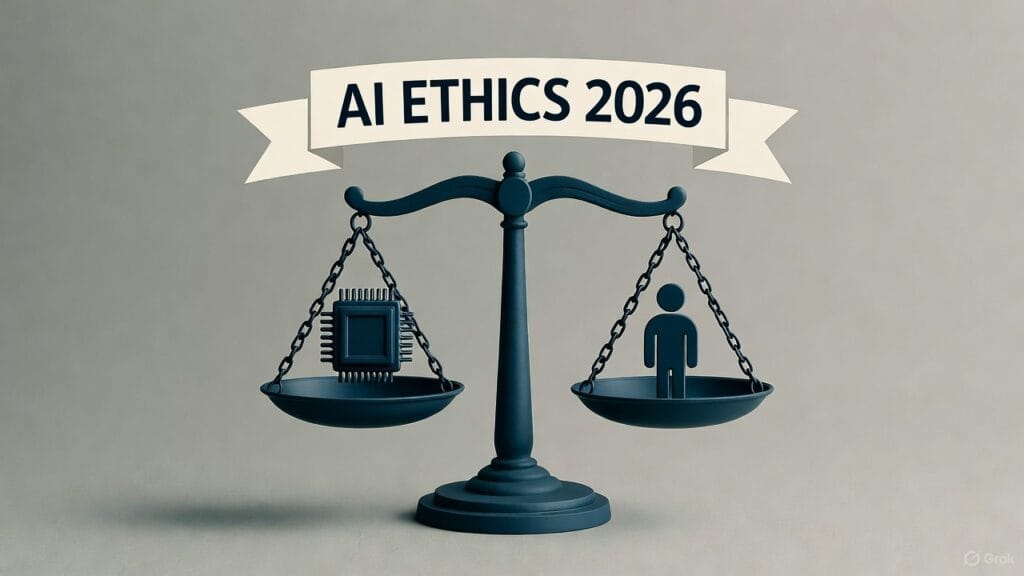
8. The Ethical Crossroads
With great AI power comes an even bigger ethical dilemma.
Key questions in 2026:
- Who owns the data AI trains on?
- How do we prevent manipulation or bias?
- Should AI content be labeled?
- What happens when your “digital clone” starts talking for you?
The EU AI Act and US AI Safety Framework are first global steps —
but regulation can’t keep pace with open-source innovation.
9. Humans + AI = The Superorganism
The most successful people of the next decade won’t outthink AI —
they’ll think with it.
Writers, coders, musicians, doctors —
all working in AI-augmented workflows, where human creativity meets machine precision.
We’re entering the age where imagination, not intelligence, is the limit.

10. The Future Is Invisible
The most powerful AIs of 2026 won’t even be called “AI.”
They’ll just exist — quietly, efficiently, everywhere.
Invisible. Reliable.
Like electricity.
That’s the real destiny of AI — not to impress you,
but to disappear into your daily life.

Final Thoughts
In 2026, AI will be smarter, faster, and more human than ever.
It will understand your world, your voice, your patterns —
and make life flow more naturally.
The question isn’t “Will AI replace us?”
It’s “Will we use it wisely enough to make life better?”
Because the future isn’t man vs. machine —
it’s man amplified by machine.
Also read: AI Replacing Jobs? What Humans Will Still Do by 2030 🤖 — discover which human skills machines still can’t replace.