
The Most Controversial Game Endings Ever — Ranked by Fan Rage

Some games end with a standing ovation. Others end with a riot.
We’re talking petitions to the FTC. Charity drives as protest weapons. Death threats to developers. Fans paying for DLC just to fix an ending they already paid full price to suffer through.
The endings below didn’t just disappoint — they broke something in people. And in most cases, the rage wasn’t random. There were real, specific reasons why players felt betrayed. That’s what makes these fascinating: they’re not just bad finales, they’re case studies in what happens when a game promises one thing and delivers another.
Here they are, ranked by how hard the internet actually melted down.
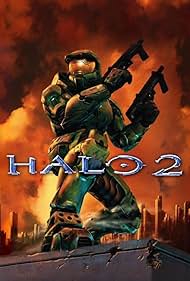
5. Halo 2 (2004) — “I’ll Finish the Fight… In the Next Game”
Why fans were mad: You spend an entire game playing two protagonists across one of the most beloved sci-fi shooters ever made. The climax builds. Master Chief stares down the camera. He promises to “finish the fight.”
Then the screen goes black.
No fight. No boss. Just credits.
Bungie was mid-production on Halo 3 and treated the second game as a two-parter. The problem: nobody told the players they were buying half a game.
Halo 2 was one of the best-reviewed games of 2004. The gameplay was excellent. The dual-protagonist structure with the Arbiter was bold and interesting.
And then it just… stopped.
In hindsight, it’s a cliffhanger, not a catastrophe — Halo 3 delivered the resolution. But in the moment, going from “this might be the best FPS ever” to “wait, that’s it?” was genuinely infuriating.
Rage level: Loud, but short-lived. Once Halo 3 dropped, this faded fast.

Best Games for Couples to Play Together in 2026: Co-op From Easy to Competitive
Top 10 Asian Games That Conquered the World
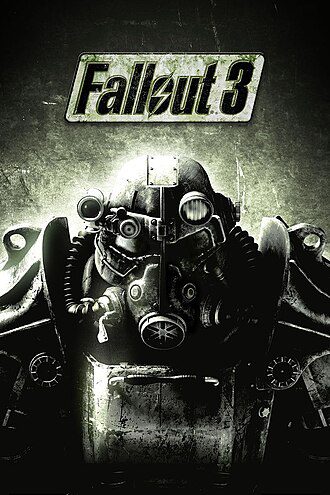
4. Fallout 3 (2008) — The Fawkes Problem
Why fans were mad: You reach the climax. The purifier needs to be activated. The room is full of lethal radiation. Activating it means death.
Standing right next to you: Fawkes — a radiation-immune super mutant companion you specifically recruited earlier in the game.
You ask him to go in instead.
He says no. It’s your “destiny.”
This is not a matter of opinion. It’s a logic failure baked into the game. Bethesda created a companion explicitly designed to handle radiation-heavy situations, then had him refuse to do exactly that in the final scene — so the game could force a heroic sacrifice.
Fans weren’t just disappointed. They were baffled.
Emil Pagliarulo, lead writer on Starfield, later admitted: “Players did not like that. And that was really the moment we realized that our fans don’t want to play our games — they want to live in the worlds we create.”
Bethesda’s fix was the Broken Steel DLC — which patched the ending to allow Fawkes to enter the room. Three problems with this:
- It was paid DLC
- The narration still called you a coward for sending him in (nobody updated the script)
- Bethesda sold you a broken ending, then charged you to fix it, then insulted you for using the fix
Rage level: High-pitched and enduring. The Fawkes situation comes up in every Fallout ranking thread to this day.

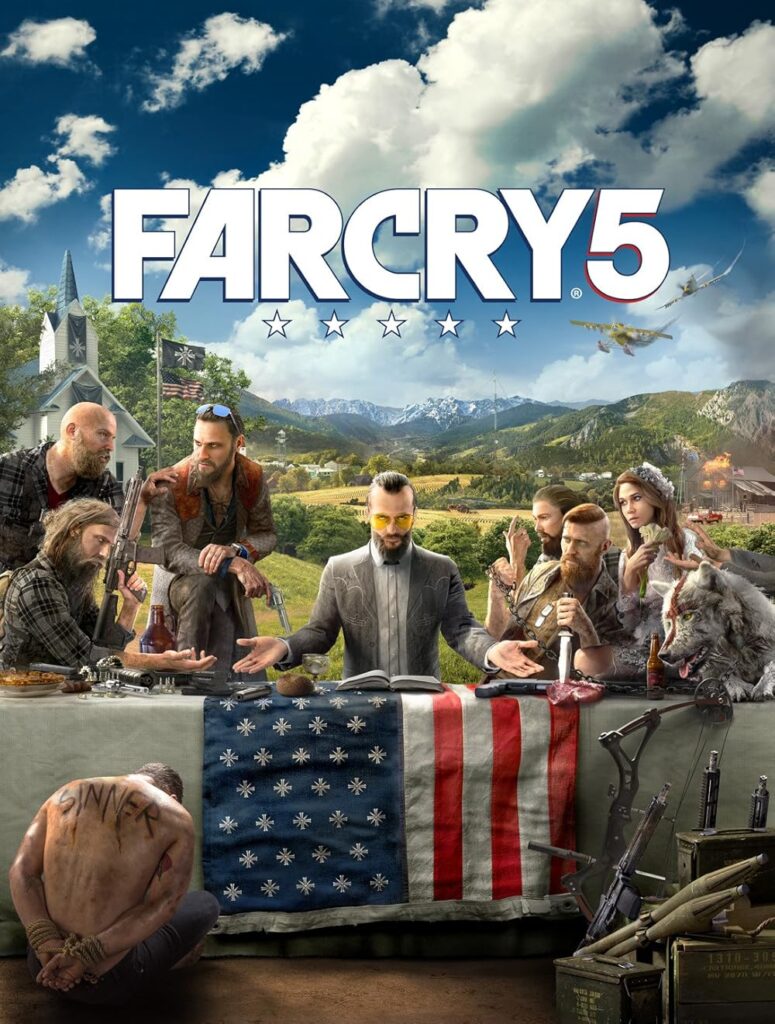
3. Far Cry 5 (2018) — Nothing You Did Mattered. Also, Nukes.
Why fans were mad: You spend the entire game dismantling a cult. You fight through Joseph Seed’s lieutenants, liberate territories, build resistance. You reach the climax ready to end this.
Then the nuclear apocalypse happens. Regardless of what you do.
Both endings — arrest Seed or fight him — result in the world ending. Every choice, every person saved, every territory liberated: irrelevant.
There’s an artistic argument here. Far Cry 5 was trying to say something about inevitability, about whether fighting evil changes anything. Joseph Seed knew the end was coming, and his faith in that outcome is what makes him frightening.
That argument works better when you’re not playing 30+ hours of action gameplay built around the premise that your actions matter.
A quiet walking simulator can get away with nihilism. A first-person open-world shooter where you liberate zones on a map cannot — at least not without signaling its intentions earlier. The mismatch between gameplay promise and narrative delivery felt like bait-and-switch rather than art.
Rage level: Widespread. Not the most intense, but probably the most “wait, seriously?” reaction of the decade.

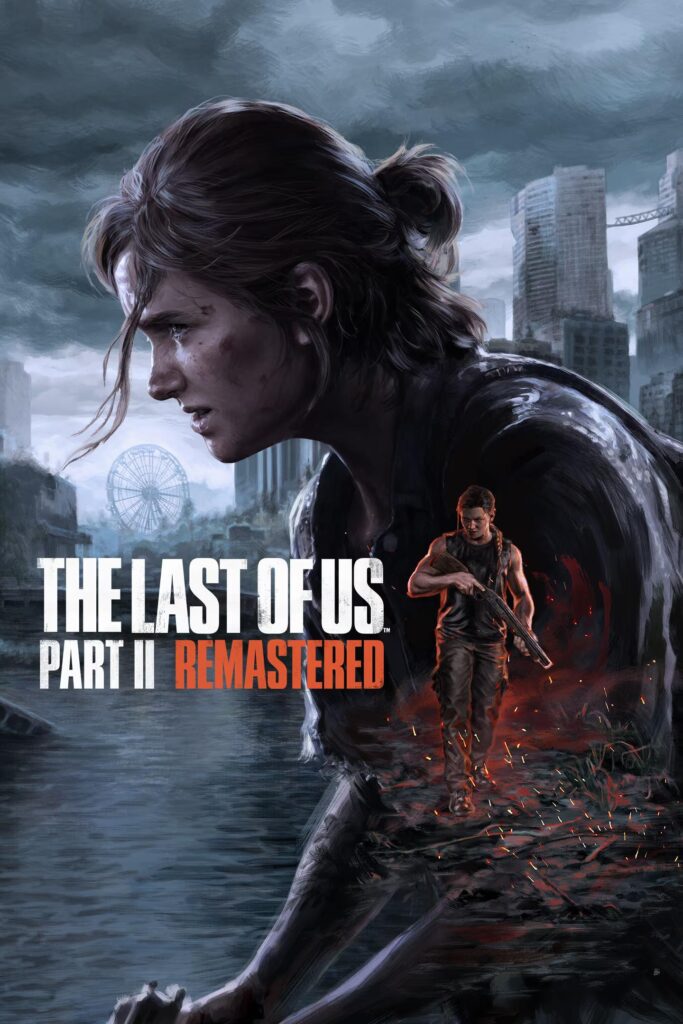
2. The Last of Us Part II (2020) — The Most Divisive Ending in Modern Gaming
Why fans were mad: The game kills Joel in the first few hours. Forces you to play as his killer for the next 15 hours. Then ends with Ellie choosing not to kill Abby after everything she went through to reach her.
The user score on Metacritic at launch: 3.4 out of 10, against a 94/100 from critics.
That gap is nearly unprecedented for a major release.
Here’s where it gets complicated: the critic score wasn’t wrong.
The game is technically extraordinary. The writing, performances, and gameplay are all genuinely excellent. The premise is what divided people. Naughty Dog wanted to explore the futility of revenge by making you empathize with Joel’s killer. Doing that required spending half the game as a character the audience had been given every reason to despise.
The ending — Ellie letting Abby live, losing her fingers, losing Dina, sitting alone in an empty farmhouse — is either devastatingly earned or infuriatingly pointless, depending entirely on how you experienced the Abby sections.
Two things are simultaneously true:
- The Last of Us Part II won Game of the Year at The Game Awards 2020
- It generated sustained harassment campaigns against Naughty Dog developers
Neither side is entirely wrong about the game. That’s what makes this the most genuinely controversial ending on this list — as opposed to just a badly-made one.
Rage level: Off the charts, ongoing, and it split the fanbase permanently.

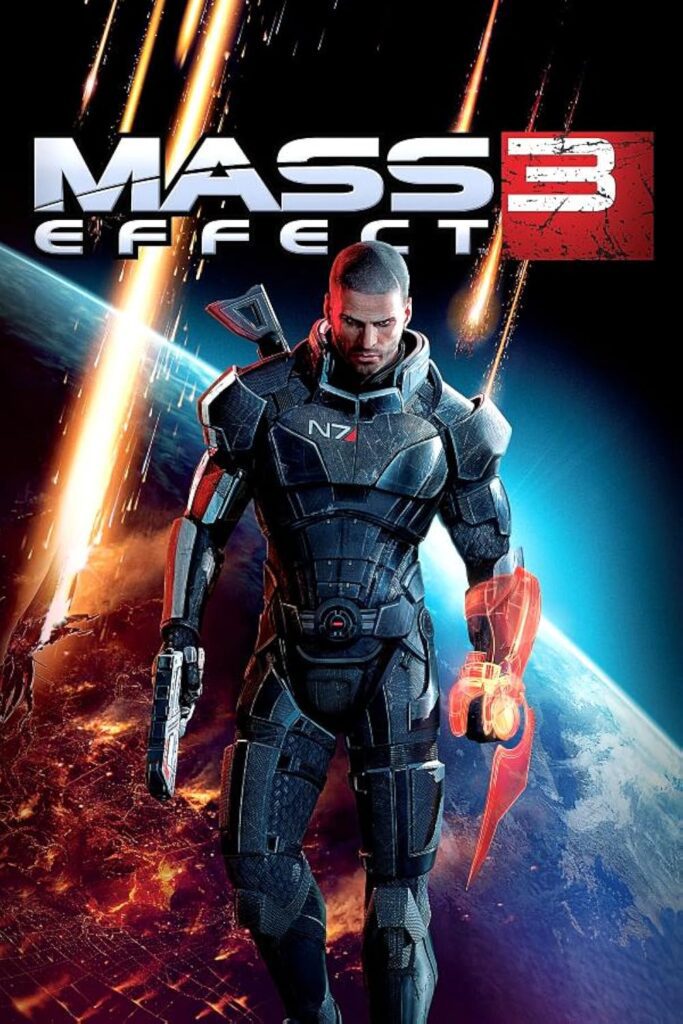
1. Mass Effect 3 (2012) — The Ending That Changed Gaming Forever
Why fans were mad: The Mass Effect trilogy was built on one promise, stated explicitly in marketing, developer interviews, and the games themselves: your choices matter.
Every major decision in Mass Effect 1 carried into Mass Effect 2. Every choice in ME2 shaped ME3. The game let you import save files. Characters lived and died based on your calls across 100+ hours.
Then the finale happened.
After everything: three colored beams. Nearly identical cutscenes. No closure for your companions. No acknowledgment of the hundreds of decisions that built your version of Shepard.
The reaction was unlike anything gaming had seen:
| Fan Action | What Happened |
|---|---|
| Charity drive | “Retake Mass Effect” raised $80,000 in under 2 weeks as protest |
| FTC complaint | One fan filed a formal false advertising complaint |
| Better Business Bureau | Alleged BioWare “falsely advertised the ability to completely shape the outcome” |
| UK Advertising Standards | Ruled endings were “different enough” to not be legally misleading |
| Internet meme | The last enemy before the ending (“Marauder Shields”) became a hero for “trying to stop players from reaching it” |
BioWare released a free Extended Cut DLC in June 2012 — new cutscenes, more closure, better integration of choices. It helped. The ending is still a sore spot 13 years later.
BioWare co-founder Ray Muzyka at the time: “Our first instinct is to defend our work… but out of respect for our fans, we need to accept the criticism and feedback with humility.”
What makes this #1 isn’t just the scale of the reaction. It’s the legacy. Mass Effect 3’s controversy sparked an industry-wide debate about whether developers owe players certain outcomes, whether games are art that can’t be forced to change, and who the story ultimately belongs to.
Nobody has fully resolved that argument. Every controversial ending since 2012 gets compared to this one.
Rage level: Maximum. It is the template. Everything else is derivative.

Final Thoughts
The pattern here isn’t that players simply want happy endings.
Some of the most critically acclaimed games—Red Dead Redemption, The Last of Us Part I, Disco Elysium, and Spec Ops: The Line—are known for their dark, often devastating conclusions. These endings work because they feel earned, consistent, and honest.
The real issue behind controversial game endings is broken expectations.
When a game spends dozens of hours convincing players that their choices matter—only to ignore those choices in the final moments—it creates a sense of betrayal. When established story logic is suddenly abandoned, or player agency is stripped away at the last minute, it breaks immersion. These are the moments that turn disappointment into backlash.
Players weren’t upset about difficulty or tone. They were reacting to the gap between what the game promised and what it ultimately delivered.
That disconnect is what defines the most controversial endings in gaming.
So now the question is yours: which game ending truly deserves the top spot?
Share your thoughts—and don’t hold back.