
20 Most Nostalgic Video Games of All Time

Nostalgia in gaming isn’t about “better graphics” or “simpler times.”
It’s about who we were when we played.
These games weren’t just entertainment — they became identity, imagination, friendships, and worldview. They defined eras, shaped culture, and made gaming feel magical, mysterious, and personally meaningful.
This is not a list — it’s a timeline of emotions the industry will never recreate.
6-Bit Era (1990–1995)
Super Metroid (SNES, 1994)
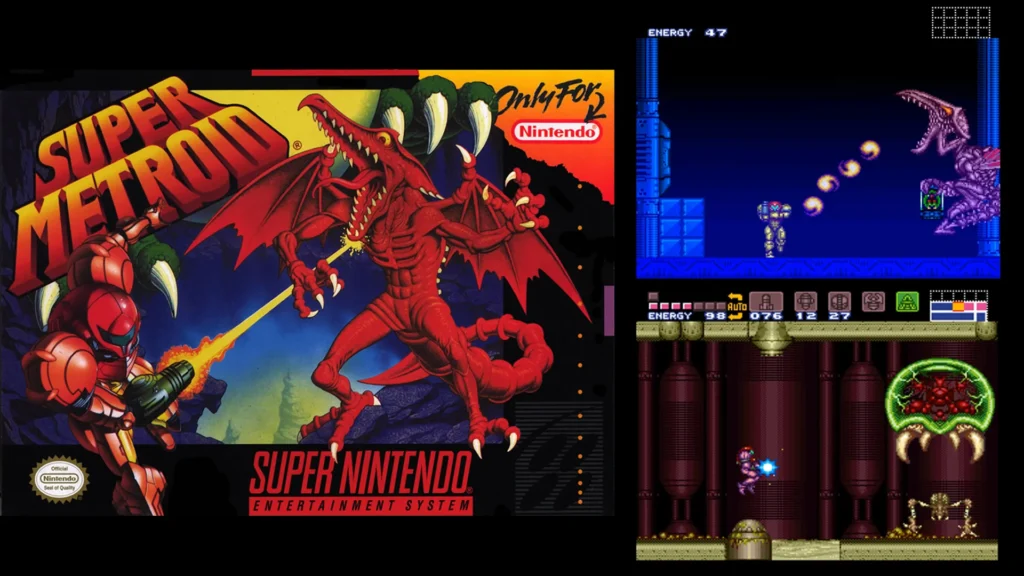
Super Metroid didn’t explain — it trusted. No tutorials, no glowing arrows, no button-spam hints. Silence became narrative, and curiosity became the only compass. It proved that a world can speak without words and that atmosphere doesn’t require cutscenes to feel profound.
Cultural Impact: Defined the metroidvania genre and became a global benchmark of environmental storytelling and exploration-driven design.

Sonic the Hedgehog (SEGA, 1991)
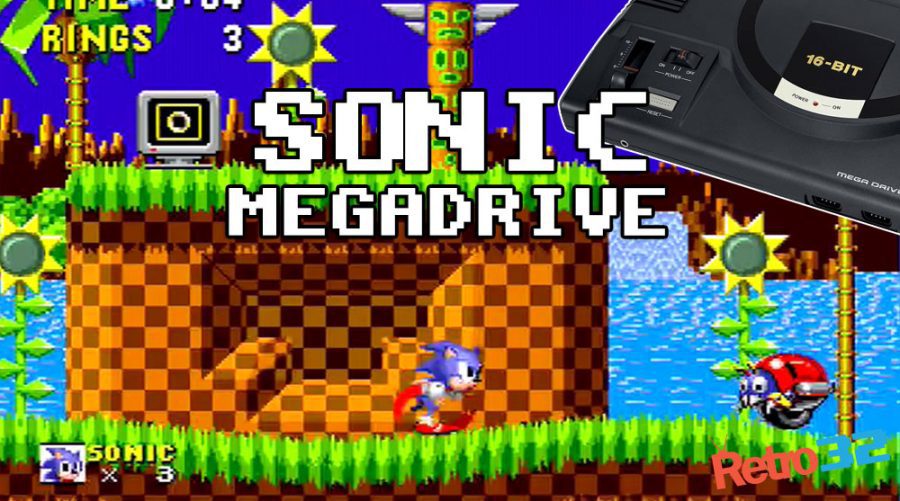
Sonic wasn’t just a mascot — he was attitude. Fast, loud, rebellious, neon-cool — gaming finally felt stylish, not childish. He wasn’t a character to play; he was a personality to emulate.
Cultural Impact: Became SEGA’s cultural symbol of 90s youth identity, fast-paced coolness, and aggressive anti-Nintendo branding.

“The $50 Rebellion”: What to Play While Waiting for Fable 2026 (And Why Gothic Remake is Killing the $70 Trend)
Top 10 Asian Games That Conquered the World
Mortal Kombat (1–3) (Arcade/SNES/SEGA, 1992–95)
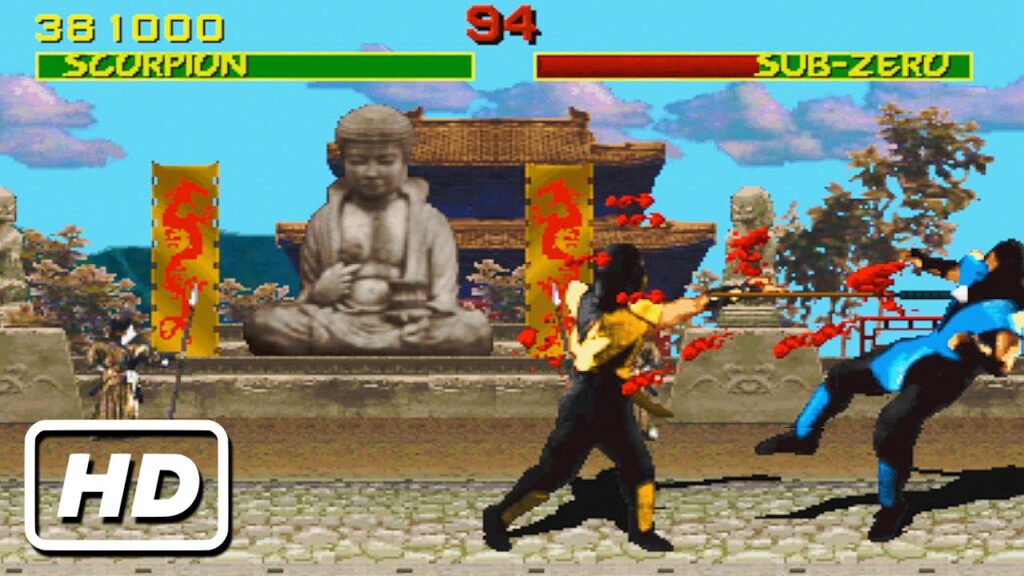
It wasn’t just violent — it was dangerous. Kids whispered about fatalities like they were urban legends. It felt like a game you weren’t supposed to play, which made it unforgettable.
Cultural Impact: Directly triggered the creation of the ESRB rating system and ignited global debate on violence in games.

Street Fighter II (SNES/Arcade, 1991)
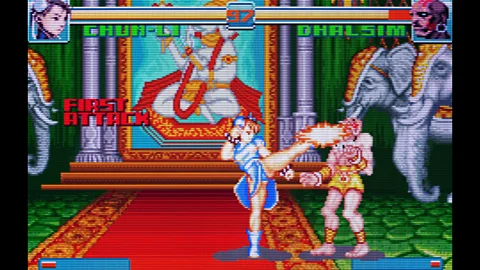
Pure skill, pure discipline. No excuses, no RNG, no safety nets — only muscle memory, strategy, and pride. Losing hurt, but winning felt like immortality.
Cultural Impact: Sparked the global arcade competitive scene and laid the foundation for modern fighting esports.

PlayStation 1 & Nintendo 64 Era (1995–2000)
Super Mario 64 (N64, 1996)
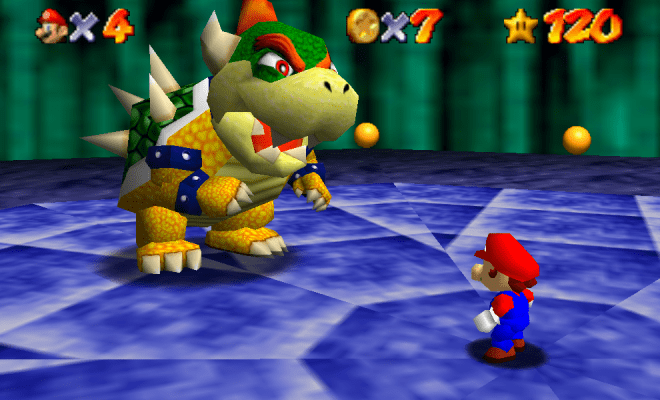
Gaming didn’t evolve — it transformed. For the first time, levels became worlds, movement became freedom, and 3D felt limitless rather than confusing.
Cultural Impact: Defined the standards of 3D platforming and camera control still used in modern game design.

The Legend of Zelda: Ocarina of Time (N64, 1998)
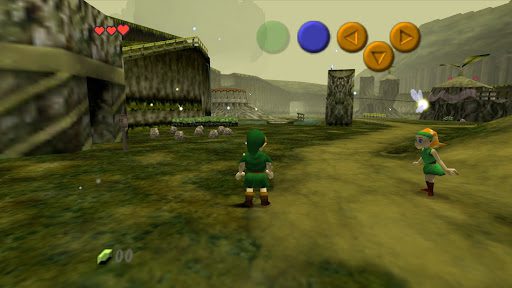
More than adventure — it was emotional meditation. Quiet fields, sunset horizons, music echoing through time… It proved that games could feel spiritual, not just fun.
Cultural Impact: Set the gold standard for cinematic pacing, world-building, and storytelling in adventure gaming.

Final Fantasy VII (PS1, 1997)
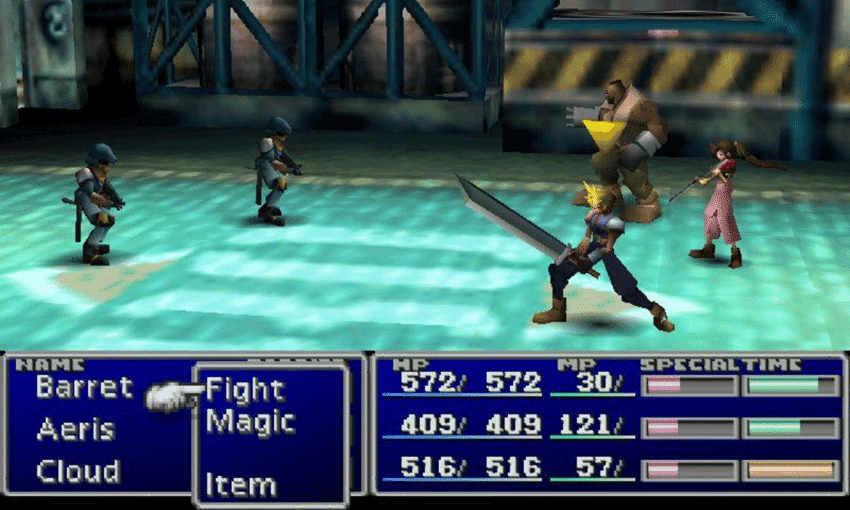
Polygon faces. Minimal animation. Maximum emotional impact. FF7 made players discuss fate, grief, trauma, love, and sacrifice with seriousness usually reserved for films.
Cultural Impact: Brought JRPGs into mainstream Western culture and elevated video games as legitimate emotional art.

Castlevania: Symphony of the Night (PS1, 1997)
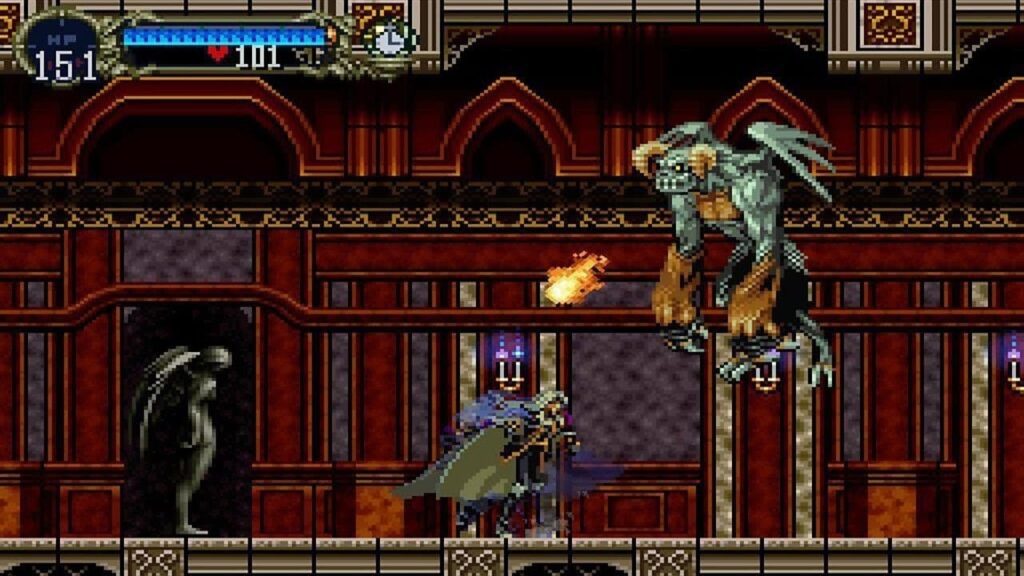
It didn’t guide — it tempted. The game rewarded curiosity like treasure, combining elegance, exploration and mystery into perfection.
Cultural Impact: Became a foundational pillar of the metroidvania identity and influenced decades of both indie and AAA titles.

Crash Bandicoot (PS1, 1996)
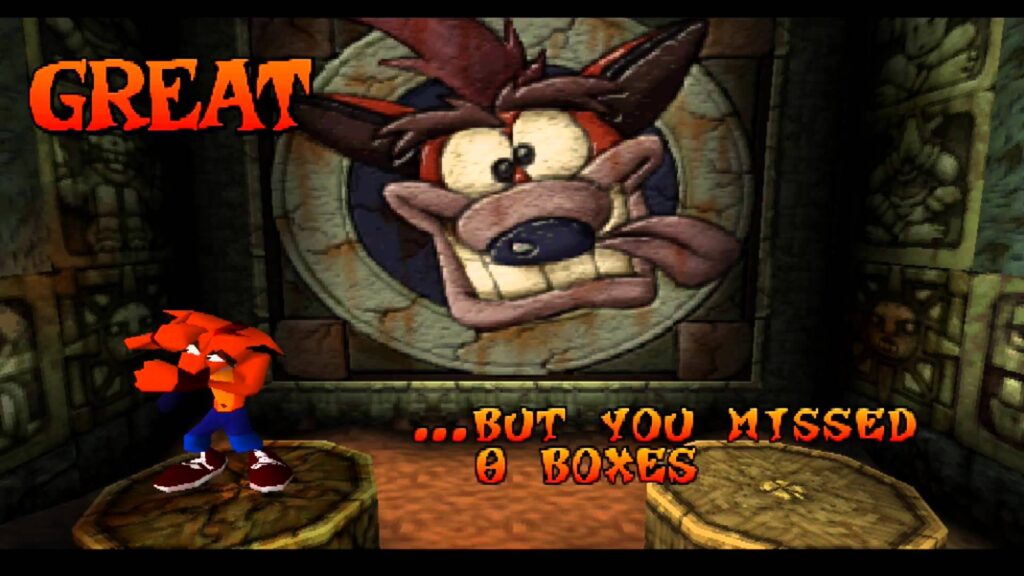
Chaotic, unfair, hilarious — and addictive. Victory didn’t feel rewarded; it felt earned, and every retry was proof of stubborn childhood determination.
Cultural Impact: Became the unofficial PlayStation mascot and shifted platformers toward Western humor and pacing.

Tomb Raider (PS1, 1996)

Before anyone marketed “strong female protagonist,” Lara Croft already existed as a global icon. The game combined cinematic adventure, archaeology, danger, and puzzle-driven mystery unlike anything else of its time.
Cultural Impact: Created one of entertainment’s most recognizable female characters and influenced franchises like Uncharted.

Metal Gear Solid (PS1, 1998)
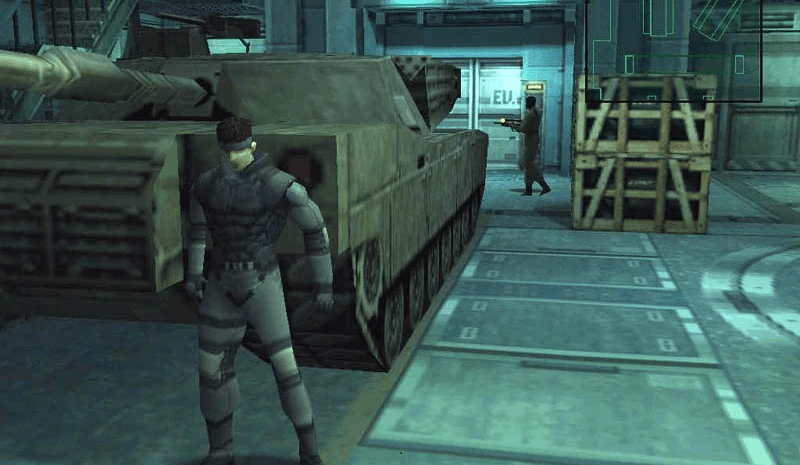
The first time a game felt like cinema from inside the screen. Morality, identity, and ideology became gameplay components, not side notes.
Cultural Impact: Introduced cinematic direction, political storytelling, and philosophical narrative to mainstream gaming.

PlayStation 2 + Early PC Online Era (2000–2005)
Grand Theft Auto: San Andreas (PS2/PC, 2004)
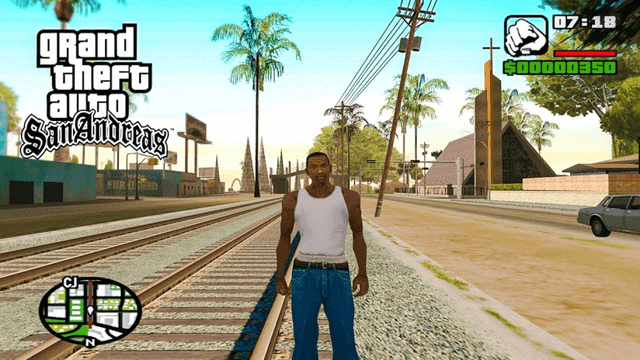
Not a game world — a playground for myths. Bikes, secrets, cheats, mods, rumors, urban legends, and self-made stories defined the experience.
Cultural Impact: Popularized modern open-world freedom and became the most meme-referenced sandbox in gaming history.

The Sims (1–2) (PC, 2000–2004)
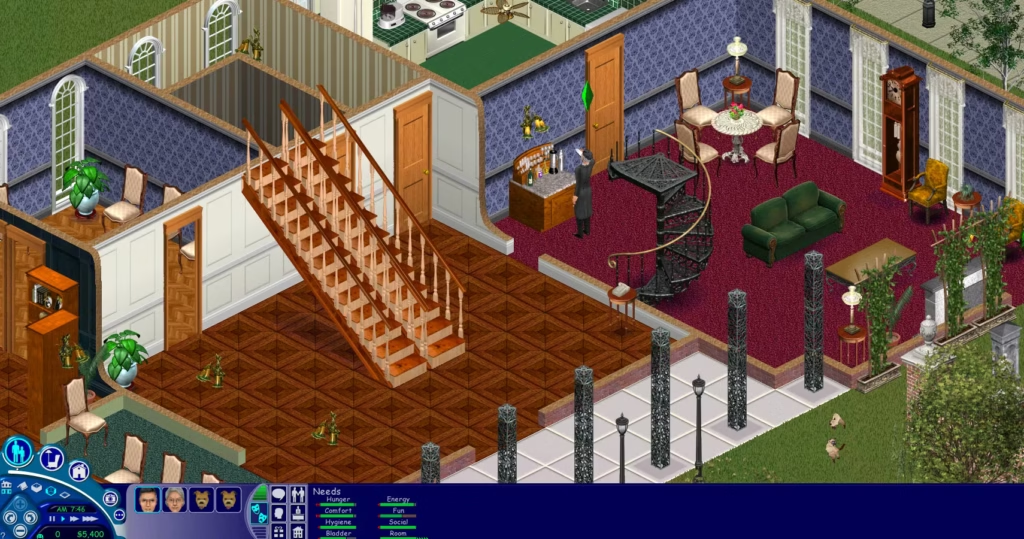
The first major game where players weren’t fighters — they were designers, psychologists, storytellers, and social architects.
Cultural Impact: Became a cultural mirror of family life, personality, and identity simulation before social networks existed.

Warcraft III (PC, 2002)
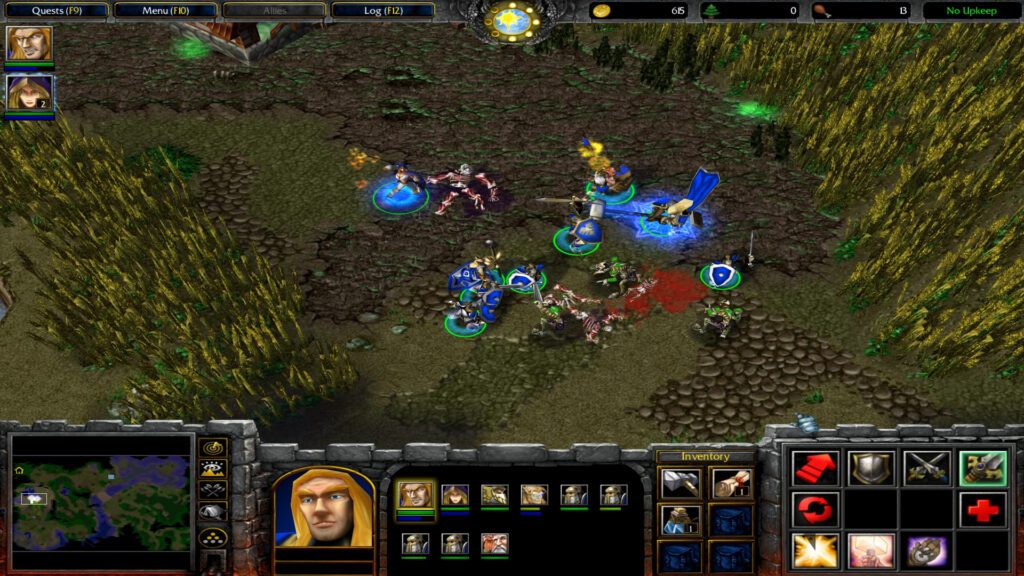
Iconic campaign, unforgettable characters, and — almost accidentally — the birthplace of a new global genre through custom maps.
Cultural Impact: Origin point of DotA and the MOBA esports empire that dominates modern competitive gaming.

Counter-Strike 1.6 (PC, 2003)
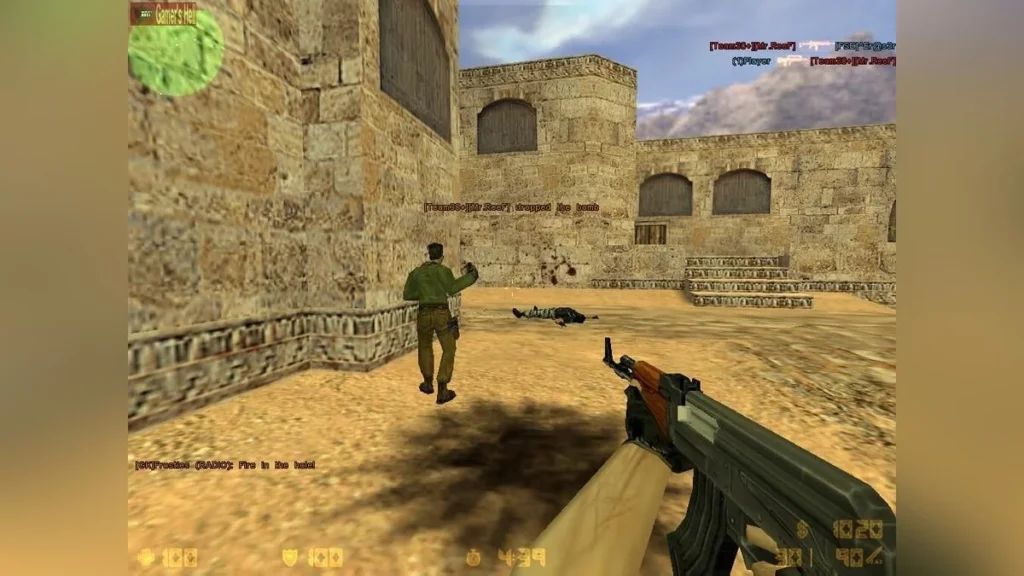
LAN clubs became battlegrounds, and skill became currency. Clans were social structures, not guilds — status was mechanical, not cosmetic.
Cultural Impact: Defined FPS esports culture and permanently shaped competitive shooter psychology.

Diablo II (PC, 2000)
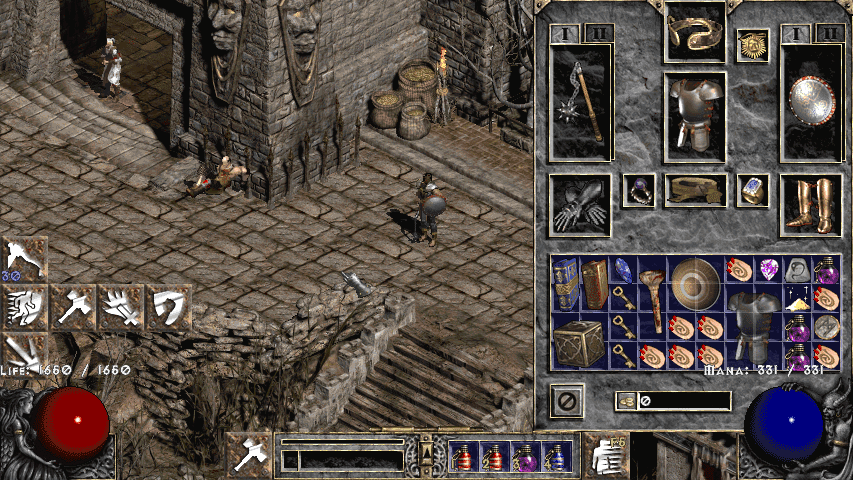
A pure masterclass in loot, rarity, obsession, and risk-reward design. Every drop was a story, not an algorithmic entitlement.
Cultural Impact: Established the modern loot-driven progression model used by countless future titles.

Star Wars: Knights of the Old Republic (PC/Xbox, 2003)
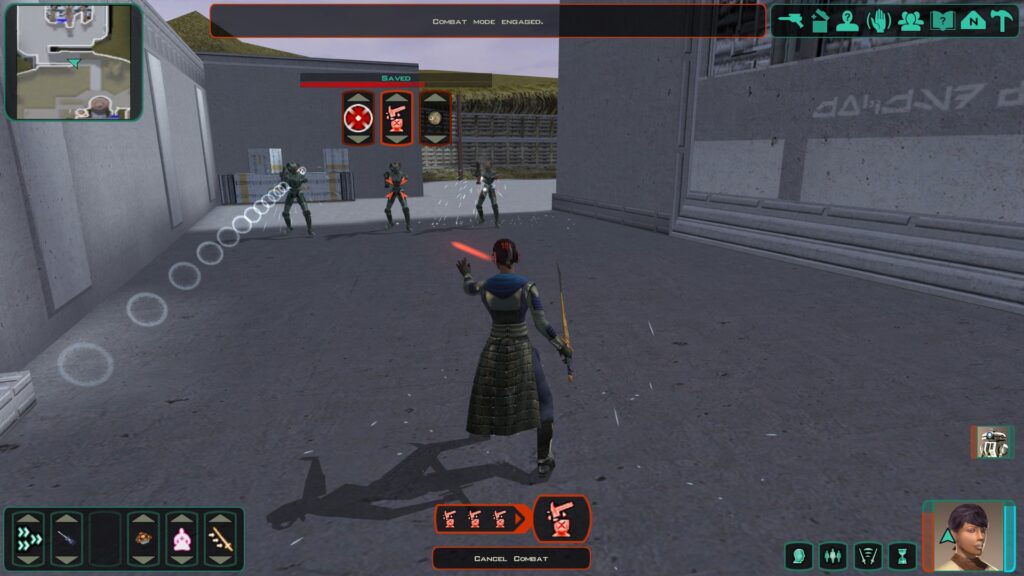
A morality system that didn’t judge — it reflected. Every decision felt like character identity, not checkbox alignment.
Cultural Impact: Reframed narrative choice design and became a storytelling milestone within the Star Wars universe.

Need for Speed Underground / Most Wanted (PS2/PC, 2003–2005)
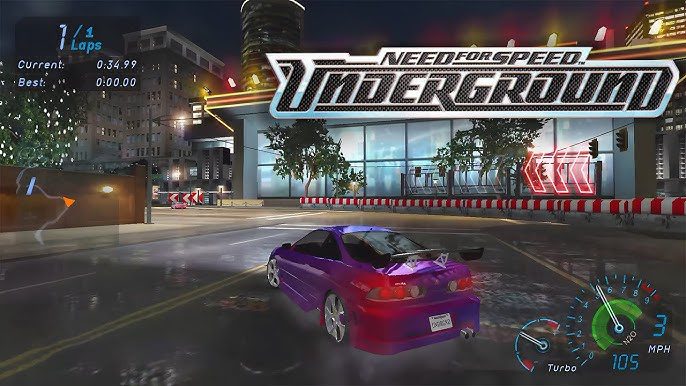
Not racing. Culture. Neon-lit cities, vinyls, soundtracks, night streets and dream-garage fantasy.
Cultural Impact: Merged gaming with street racing fashion and the Fast & Furious aesthetic era.

MMORPG Era (2004–2010)
World of Warcraft (PC, 2004)
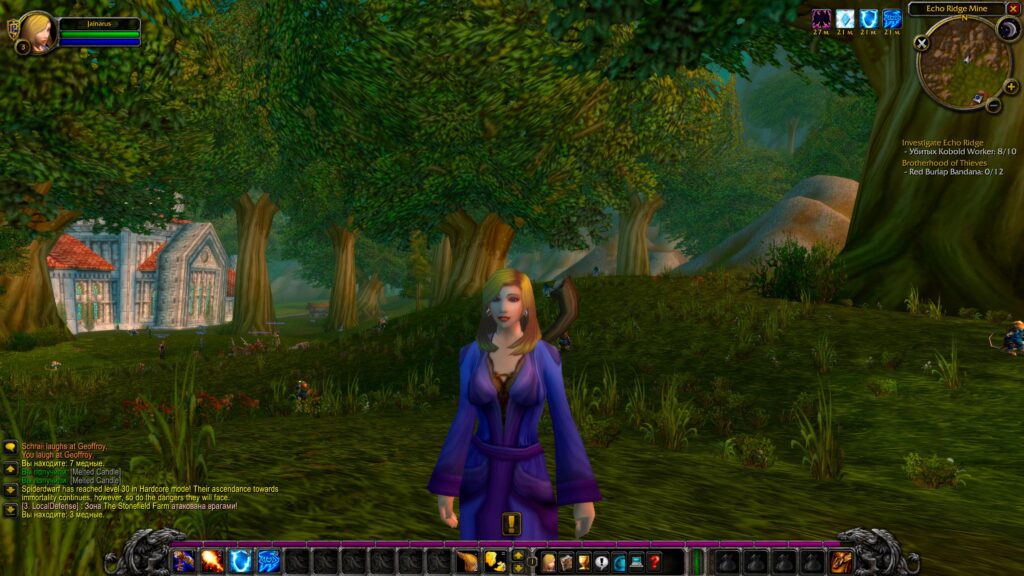
A second home, not a second hobby. Raids, guild wars, betrayals, alliances, friendships, and late-night adventures became real memories.
Cultural Impact: Remains the most influential social virtual world in gaming history.

Lineage II (PC, 2003)
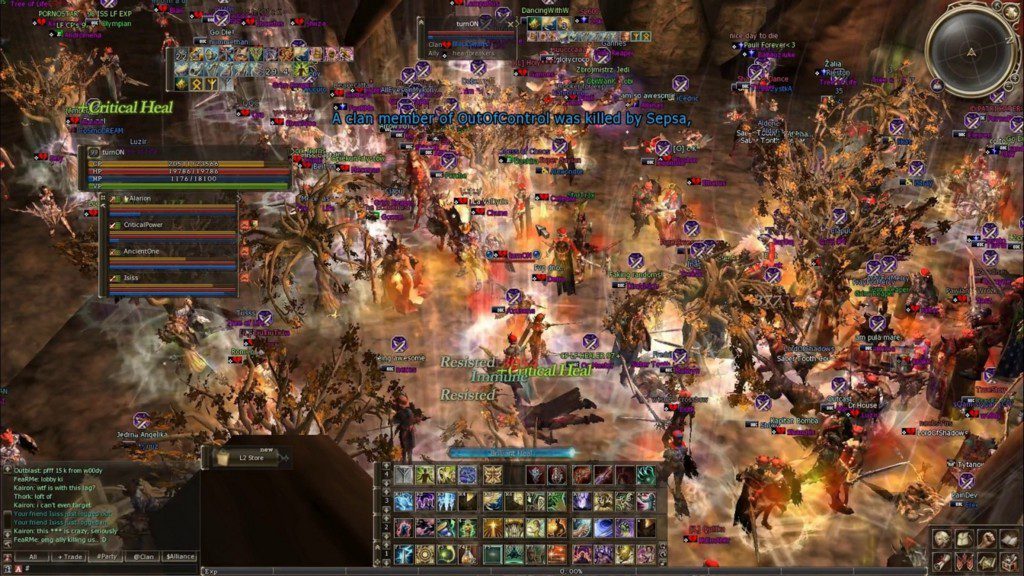
Brutal, political, unforgiving — and legendary. Power wasn’t measured by gear but by reputation, alliances, and emotional investment.
Cultural Impact: Formed a new era of online tribalism and community-driven world politics.

Final Thoughts
These twenty titles didn’t become iconic because they aged well —
they became iconic because they aged within us.
They belonged to a world where:
- Games were adventures, not services
- Progress was earned, not scheduled
- Discovery was personal, not algorithmic
- Community was real, not anonymous
Modern gaming may be bigger, prettier, and richer —
but nostalgia reminds us what truly mattered:
mystery, meaning, curiosity, and heart.