
Best Game-Based TV Shows

For years, game-based TV shows had a bad reputation — not because games are hard to adapt, but because adaptations misunderstood what made games special. Studios chased mass appeal, stripped away mechanics, tension, and identity, and ended up with something generic.
But some shows finally figured it out.
The best game-based TV series don’t try to replace the games or “fix” them. They understand the rules of the world, respect the tone, and build stories that feel natural inside the universe — even when they take creative risks.
Here are the game-based TV shows that actually matter.
When Animation Gets It Right
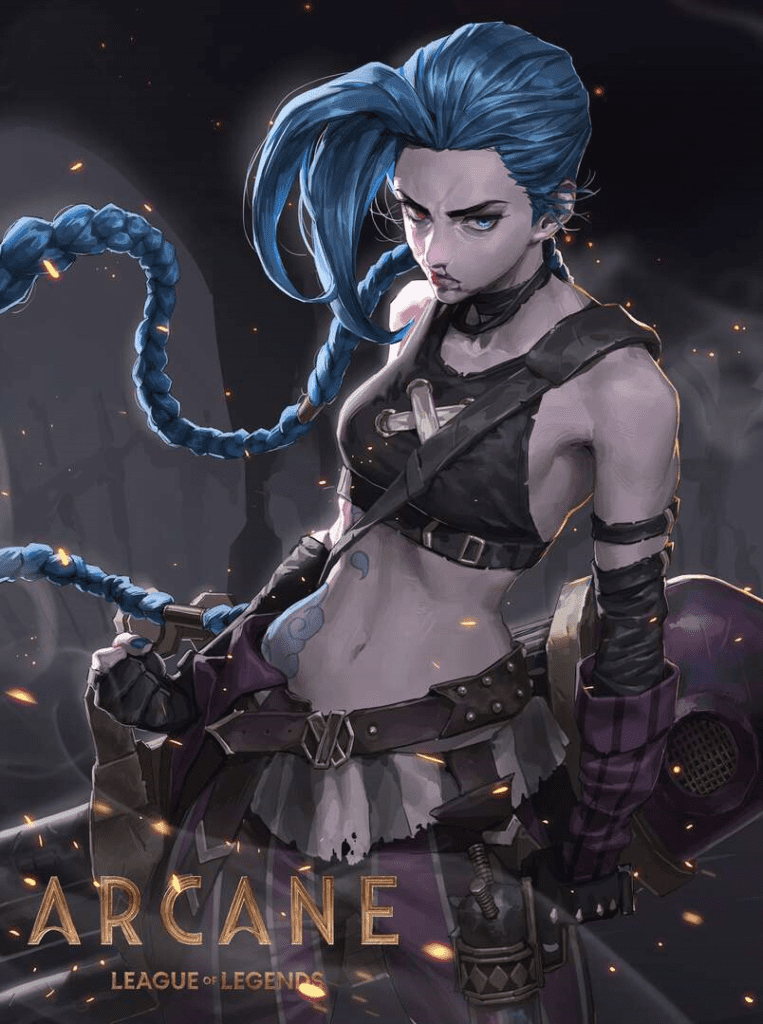
Arcane
Arcane works because it never tries to imitate live-action prestige TV. It embraces animation as a strength, not a limitation.
The show builds its drama visually, lets characters grow through action, and never pauses to explain the world like a tutorial. You don’t need to know the game — but if you do, the details hit harder.
Why it works:
Clear identity, strong character arcs, zero fear of stylization.

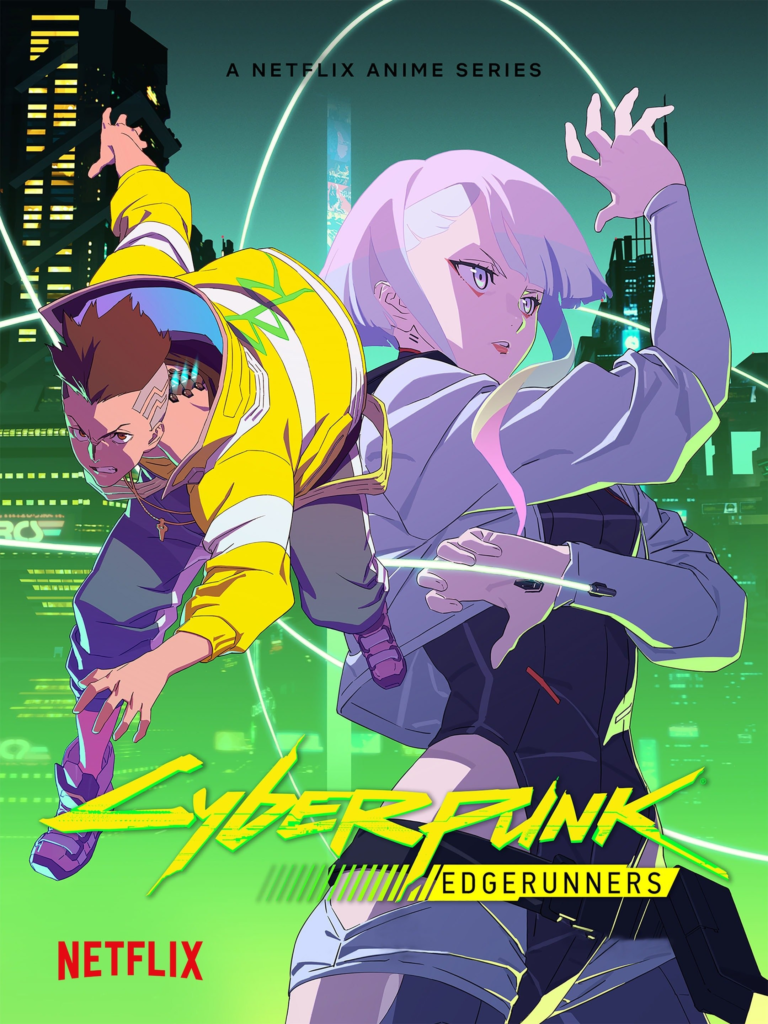
Cyberpunk: Edgerunners
Edgerunners understands Night City better than most adaptations understand their own worlds. It’s fast, brutal, and emotionally unforgiving.
There’s no illusion of safety, no heroic armor. Choices hurt, systems crush people, and the city always wins.
Why it works:
It accepts the core truth of Cyberpunk: style doesn’t save you.

10 TV Shows to Watch If You Loved Fallout
Best Films of 2025 That You Probably Missed
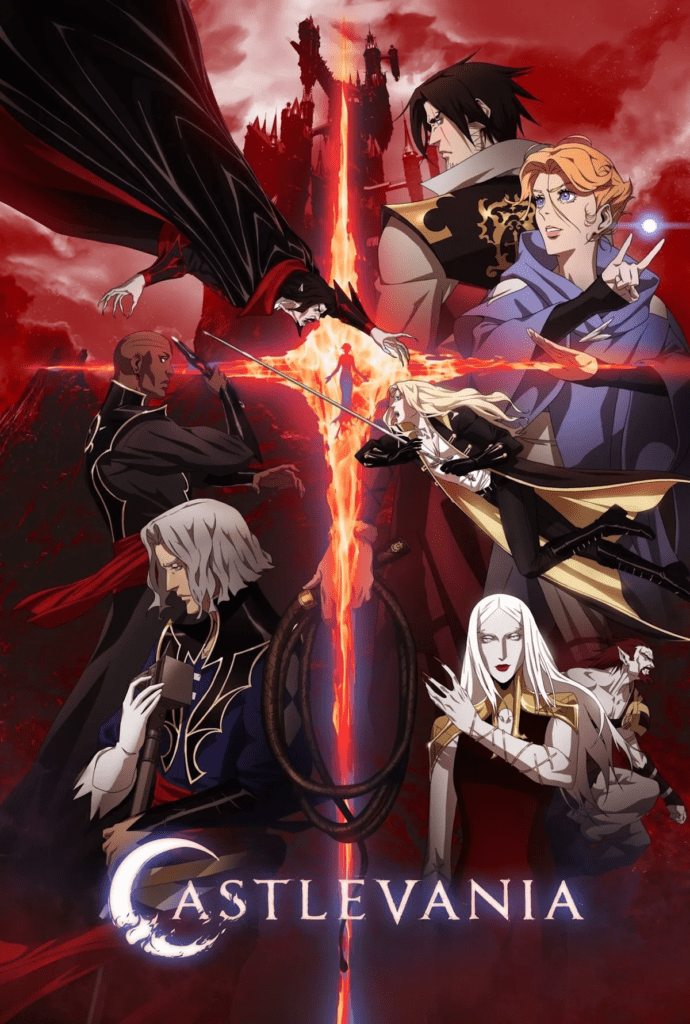
Castlevania
Castlevania leans fully into darkness, violence, and cynical dialogue — and never apologizes for it.
It doesn’t sanitize the source material or aim for broad family appeal. Instead, it commits to mood and consequence.
Why it works:
Tone consistency and confidence.

When World-Building Comes First
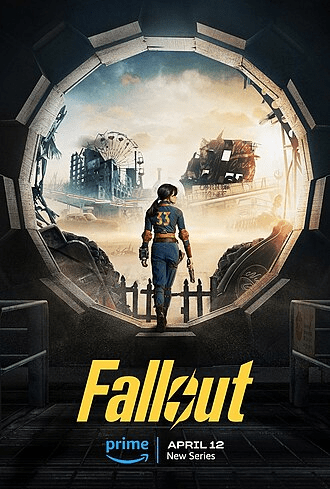
Fallout
Fallout makes a smart decision: it doesn’t retell a game story. It tells a new story inside the Fallout universe.
The show understands Fallout’s logic — absurd humor next to sudden brutality, optimism colliding with cruelty. It trusts the audience to figure things out instead of overexplaining.
Why it works:
Respecting the universe instead of rewriting it.

Twisted Metal
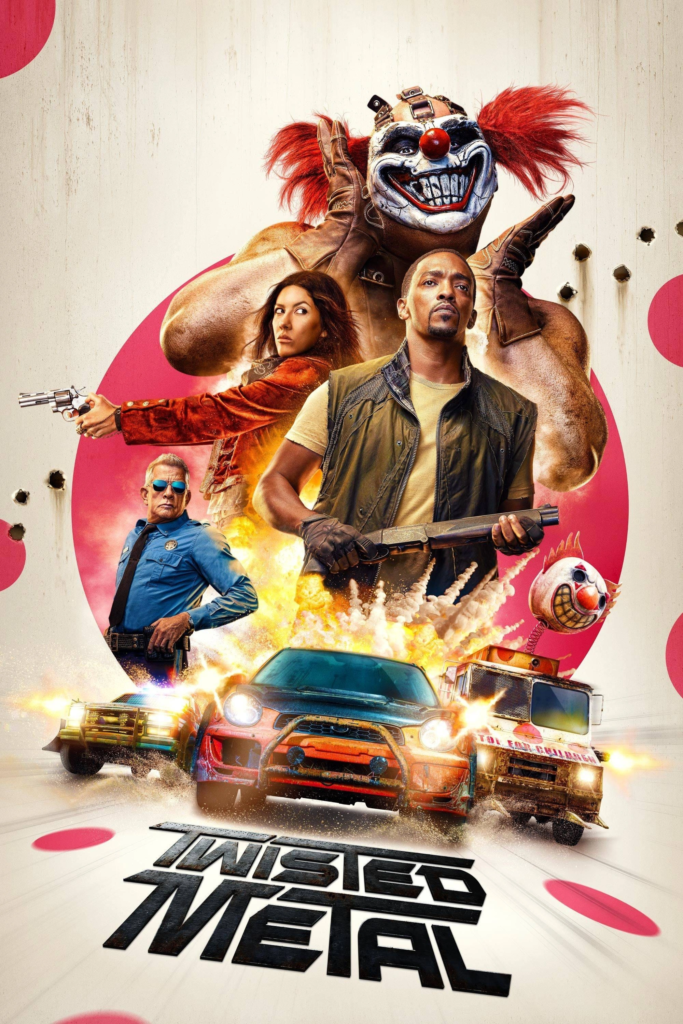
Twisted Metal succeeds by being honest. It’s loud, chaotic, and self-aware — exactly what the franchise has always been.
It never pretends to be deep or meaningful. It just commits to fun violence and weird characters.
Why it works:
Knowing what kind of adaptation it wants to be.

When Prestige TV Becomes a Problem
The Last of Us
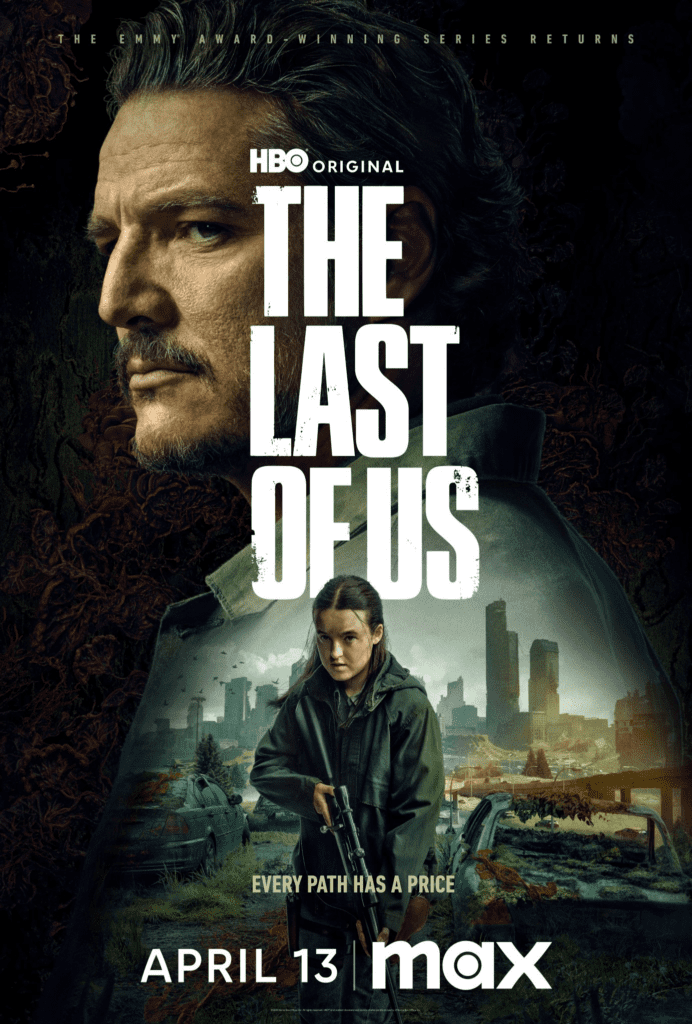
As television, it’s polished. As an adaptation, it’s complicated.
The show recreates scenes faithfully, but removes the interactive tension that defined the game. What was once player-driven stress becomes passive observation.
Why it divides fans:
Faithful moments don’t always equal faithful experience.


The Witcher
The Witcher struggles with identity. Is it adapting the books, the games, or building its own thing?
The result is uneven tone and inconsistent storytelling, despite strong performances and production value.
Why it struggles:
Too many directions, not enough focus.

When Adaptations Miss the Point
Halo
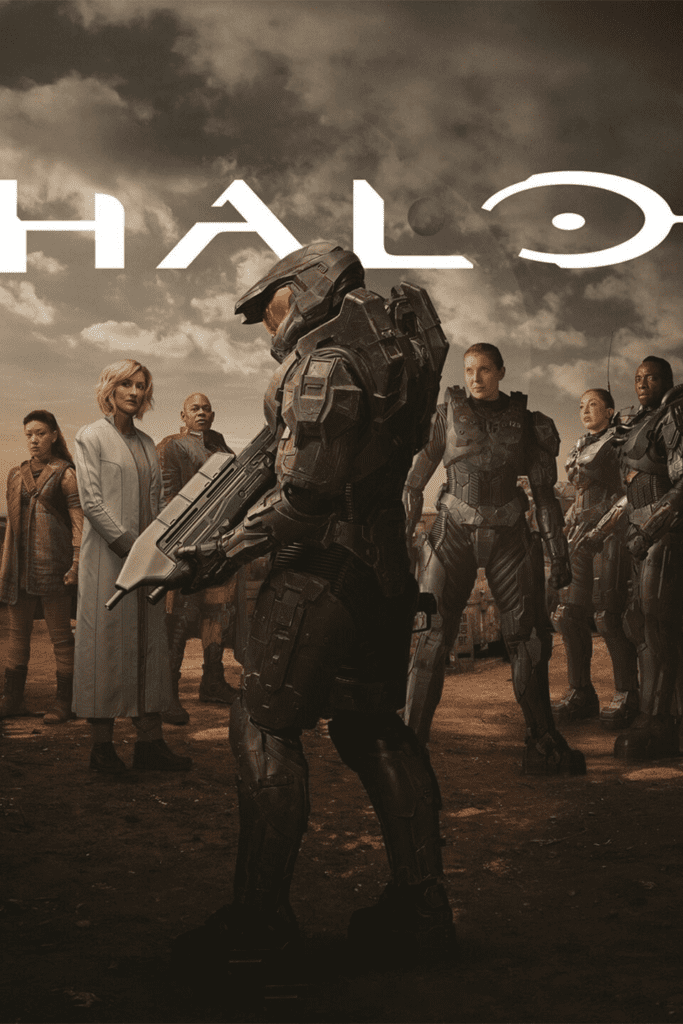
Halo looks like Halo — but often doesn’t feel like it.
Core themes are diluted, characters behave in unfamiliar ways, and the series seems more interested in being a generic sci-fi drama than a Halo story.
Why it fails:
Visual accuracy without thematic understanding.

Resident Evil
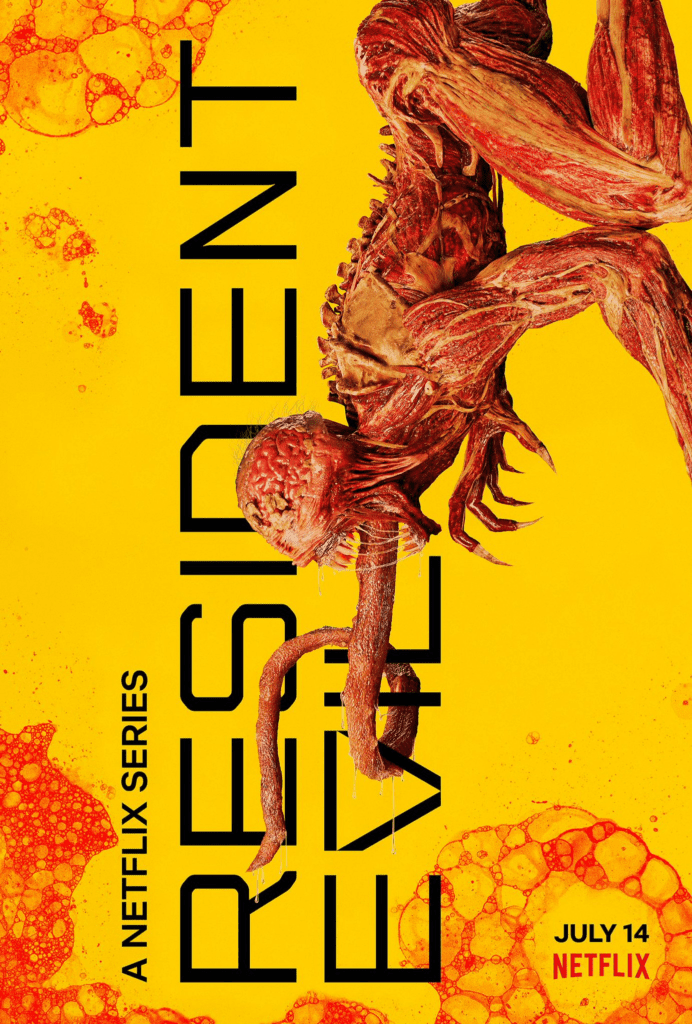
Resident Evil suffers from an identity crisis. It borrows names and imagery but discards the atmosphere that defined the games.
What’s left is a show that could exist without the franchise at all.
Why it fails:
Brand recognition can’t replace substance.

Final Thoughts
The best game-based TV shows succeed when they stop trying to impress critics and start respecting why players cared in the first place.
Sometimes that means animation.
Sometimes it means new characters.
Sometimes it means embracing chaos instead of polishing it away.
Games don’t need to be “fixed” for TV.
They need to be understood.