
9 Must-Watch Historical Movies Where One Person Changed Everything

There are movies that leave you staring at the credits, wondering how thin the thread of history actually is. A slightly different word choice, a moment of hesitation, or one step to the left, and our world today would look unrecognizable.
This list isn’t about perfect, untouchable icons. It’s about flawed human beings—people who had doubts, made messy mistakes, and often didn’t even realize they were “making history” while doing their jobs. Whether they were making deals in smoke-filled rooms or standing alone against a system, these are the stories of individuals whose personal choices ended up carrying the weight of millions.
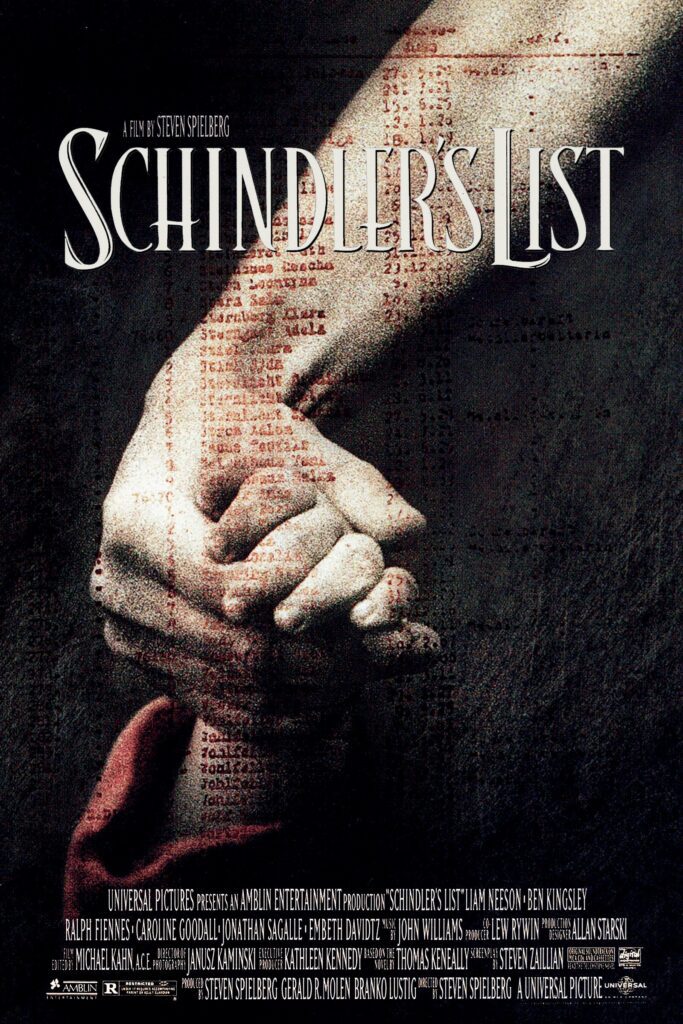
Schindler’s List (1993)
IMDb: 9.0
It starts as a pure hustle. An ambitious businessman arrives in a war-torn city, seeing nothing but dollar signs and cheap labor. He opens a factory, plays the system, and treats the surrounding horror as an unfortunate business climate. But the detachment doesn’t last. Slowly, the “logistics” of war turn into a face-to-face encounter with pure evil. He doesn’t become a superhero overnight; he uses the only tools he has—bribery, lists, and ledgers. Eventually, the goal shifts from maximizing profit to buying souls. It’s a chilling reminder that sometimes, a bureaucrat’s pen is the most powerful weapon against genocide.

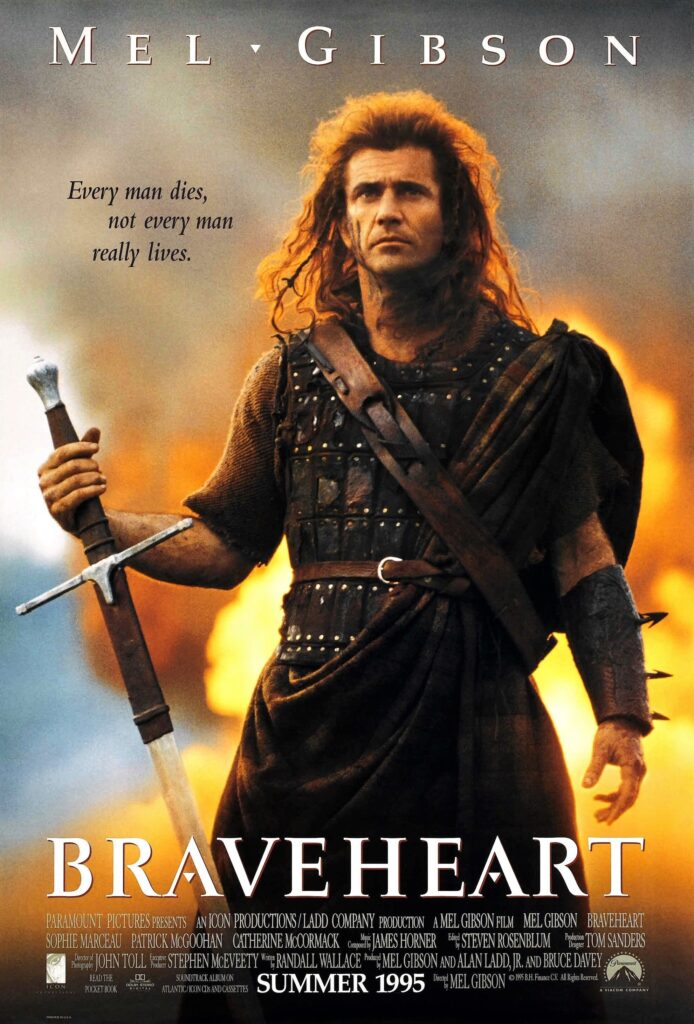
Braveheart (1995)
IMDb: 8.3
A man just wants to be left alone to farm his land and live a quiet life. But when a corrupt power pushes too hard and takes something personal, the “quiet life” dies. What begins as a spark of individual vengeance quickly turns into a forest fire. You watch as a reluctant leader gathers a following that becomes too big to ignore. The stakes escalate from local skirmishes to massive, bloody battles that define the soul of a nation. It’s the ultimate “don’t poke the bear” story, showing how one man’s refusal to bow can break the spine of an empire.

Best Films of 2025 That You Probably Missed
10 Influential Movies That Shaped Modern Culture — But Nobody Mentions Today
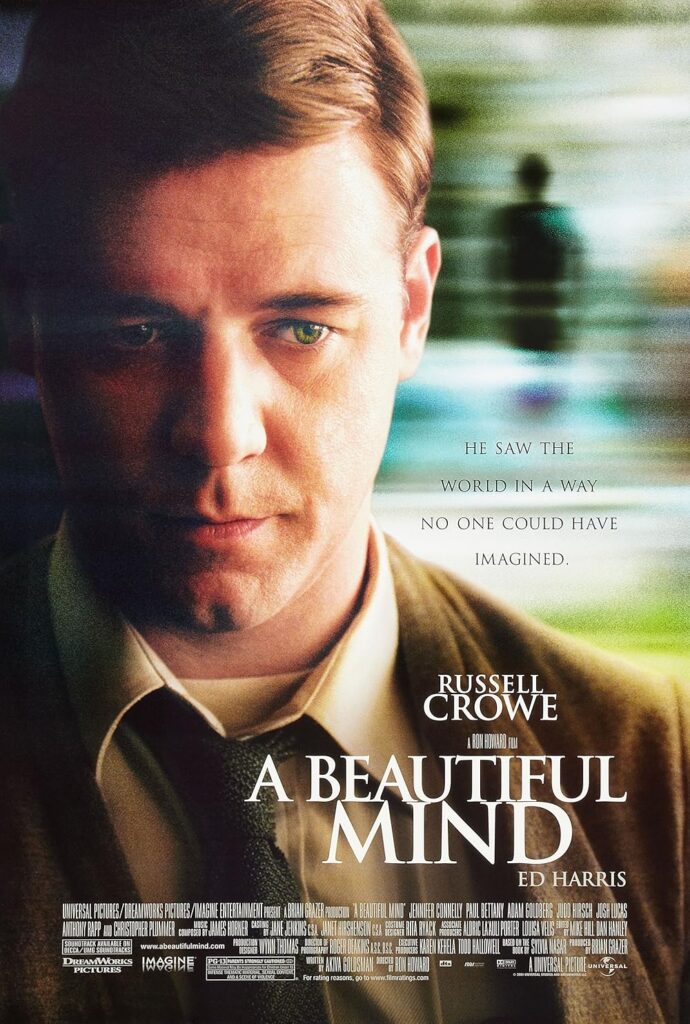
A Beautiful Mind (2001)
IMDb: 8.2
This is history changed from the inside out. We follow a mathematical genius who sees patterns where everyone else sees chaos. His unconventional mind leads to breakthroughs that reshape global economics, but there’s a heavy price. The line between his brilliant theories and a fractured reality starts to blur, threatening his work and his sanity. It’s a haunting look at how a single person’s internal struggle can occur simultaneously with their external impact on the world. Even as he fights his own mind, his ideas take on a life of their own, changing how we understand human behavior forever.

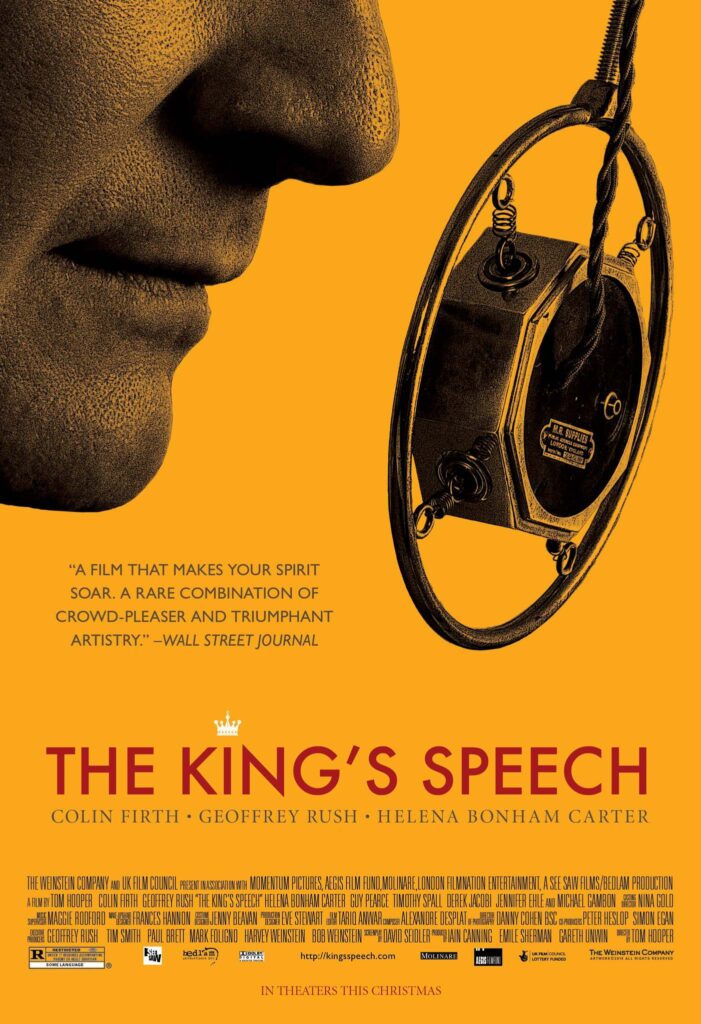
The King’s Speech (2010)
IMDb: 8.0
Imagine having to lead a global empire through its darkest hour while being terrified of your own voice. The man who must speak for a nation can barely get through a simple sentence without a debilitating stutter. With the world on the brink of war, he teams up with an eccentric therapist whose methods are… let’s say, “unorthodox.” It’s a claustrophobic, high-stakes drama where the “battlefield” is a microphone. When the moment of truth arrives, those few minutes of radio broadcast determine whether a people feel hope or total despair.

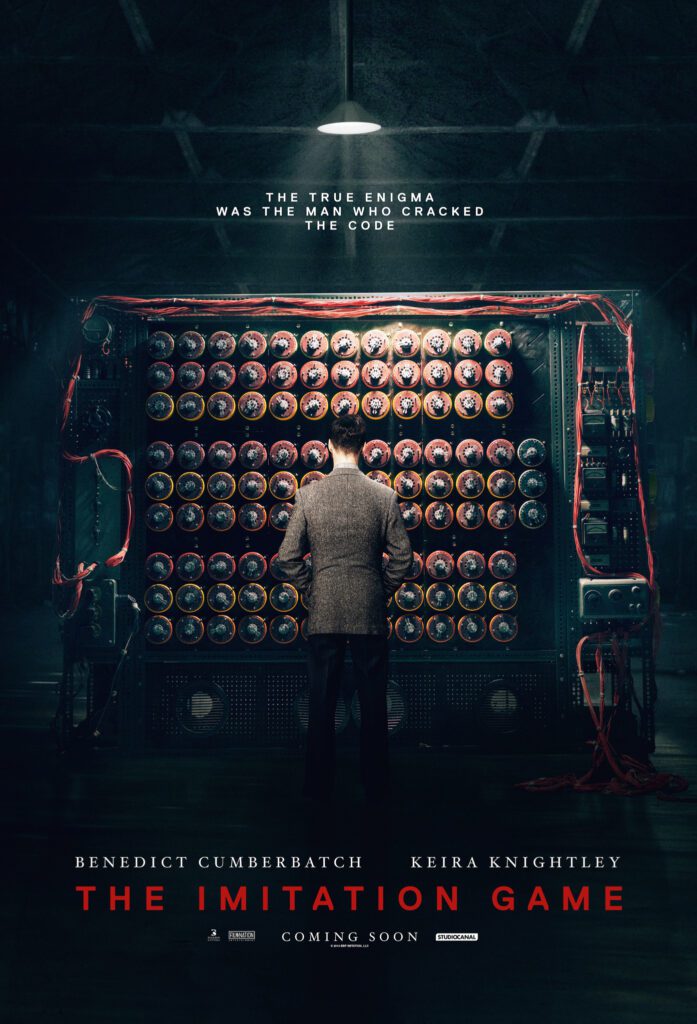
The Imitation Game (2014)
IMDb: 8.0
A group of geniuses is tucked away in a country house with an impossible task: crack an unbreakable Nazi code. Every single day the code resets, and every day they fail, people die. At the center is a man who thinks like a machine—literally. He’s arrogant, socially detached, and obsessed with a “standard” that his peers think is a waste of time. The movie captures the brutal math of war; once they succeed, they realize they can’t save everyone, or the enemy will know the code is broken. It’s a story about the secret choices that shortened a war and the tragic price the hero paid for his genius.

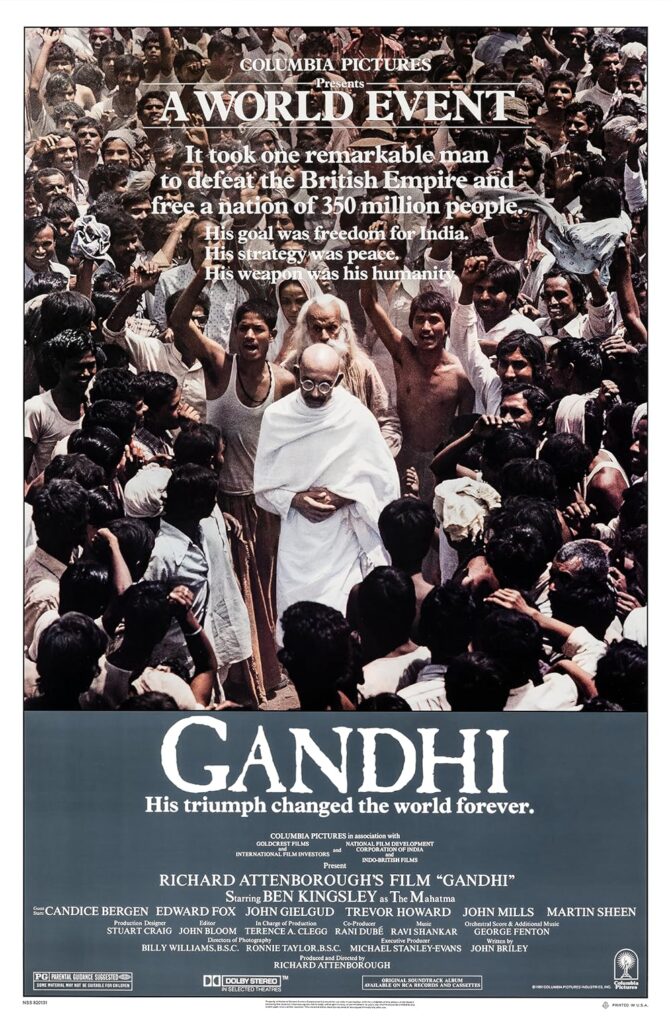
Gandhi (1982)
IMDb: 8.0
Resistance usually involves guns and shouting. This is about the man who chose the opposite. By simply refusing to move and refusing to hit back, he turned the British Empire’s own power against itself. It’s a slow-burn epic that shows how a single, frail-looking man in a loincloth could mobilize hundreds of millions. The authorities tried arrests and violence, but the more they pushed, the more the movement grew. It’s the definitive proof that an idea, if held firmly enough, is more dangerous than an army.

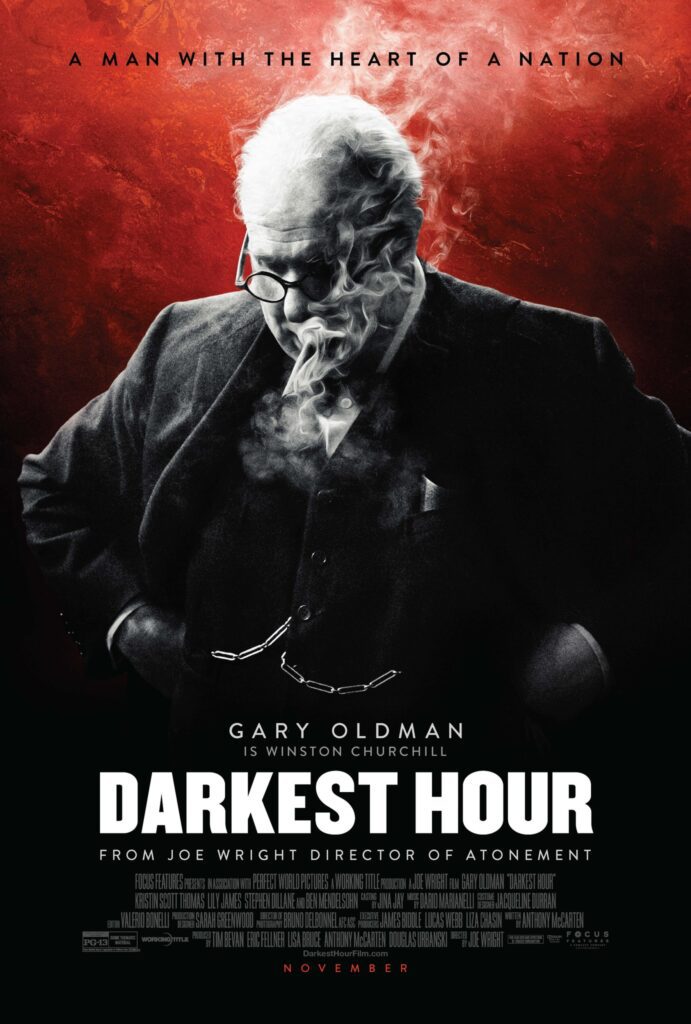
Darkest Hour (2017)
IMDb: 7.4
Power falls into the lap of a man everyone expects to fail. The war is going sideways, allies are collapsing, and the “sensible” voices are screaming for a compromise with a monster. This film covers the agonizing few days where the future of Western civilization hung on one man’s stubbornness. It’s a masterclass in political maneuvering and the sheer power of rhetoric. Churchill proves that in the absence of hope, sometimes all you have are words—and if those words are the right ones, they can change the tide of history.

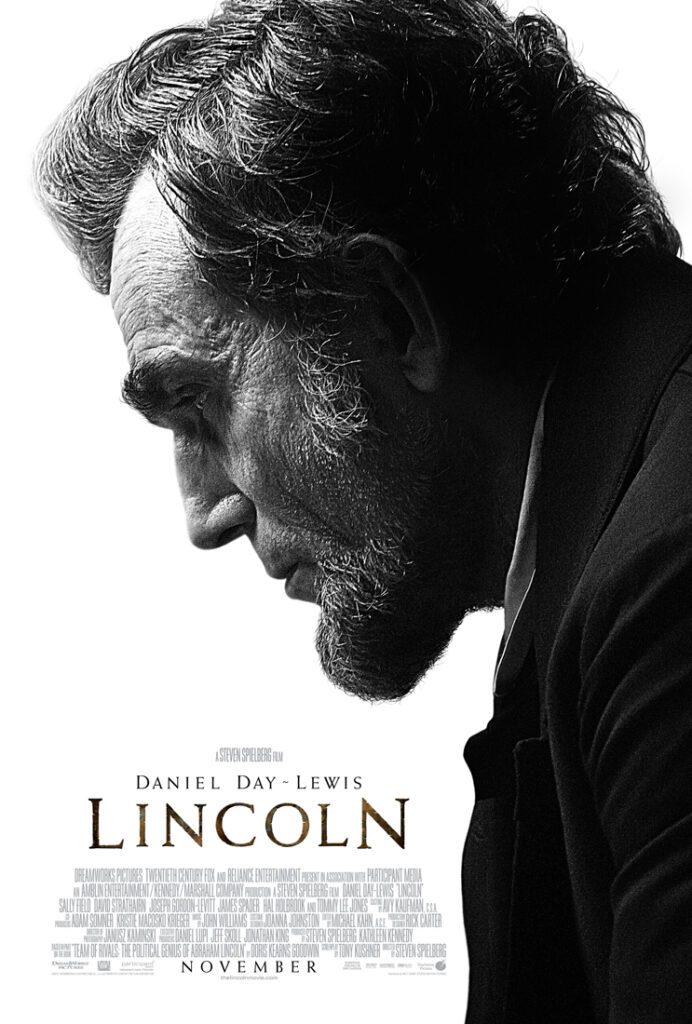
Lincoln (2012)
IMDb: 7.3
Forget the statues; this is Lincoln the street-fighter. The film focuses on the frantic, messy political battle to pass the 13th Amendment while the Civil War rages on. It’s about the “sausage-making” of history—the bribes, the secret deals, and the desperate arm-twisting needed to do the right thing. There are no guarantees of success, and his own team is terrified of the fallout. It shows that even the most noble historical shifts required a leader willing to get their hands dirty in the political mud.

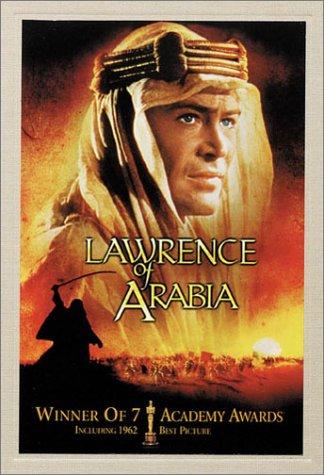
Lawrence of Arabia (1962)
IMDb: 8.3
The vast desert is a place where interests collide and loyalties are as shifting as the sand. An outsider—an enigmatic British officer—finds himself at the heart of an Arab revolt. He’s a man caught between two worlds, navigating a landscape where a single mistake results in a shallow grave. As his influence grows, so does his ego and the weight of the expectations placed upon him. It’s a sweeping, cinematic look at how one person’s charisma and tactical brilliance can reshape the map of an entire region, for better or worse.

Final Thoughts
Looking at these films, a pattern emerges. History isn’t just a series of inevitable events; it’s a collection of moments where someone decided not to do the easy thing. Most of the time, these people didn’t feel like they were “changing the world”—they were just trying to survive, solve a puzzle, or stand their ground. But because they did, everything that followed went down a different path.