
Movies That Were Hated in Theaters But Are Now Considered Classics

Some of the greatest films ever made bombed when they first opened.
Critics wrote them off. Studios buried them. Audiences stayed home. And then, slowly, something happened — on VHS, on late-night TV, at midnight screenings — and everything changed.
These aren’t just redemption stories. They’re proof that the initial reaction to a movie tells you almost nothing about its actual value.
Here are the films that got it the worst, and what happened after.
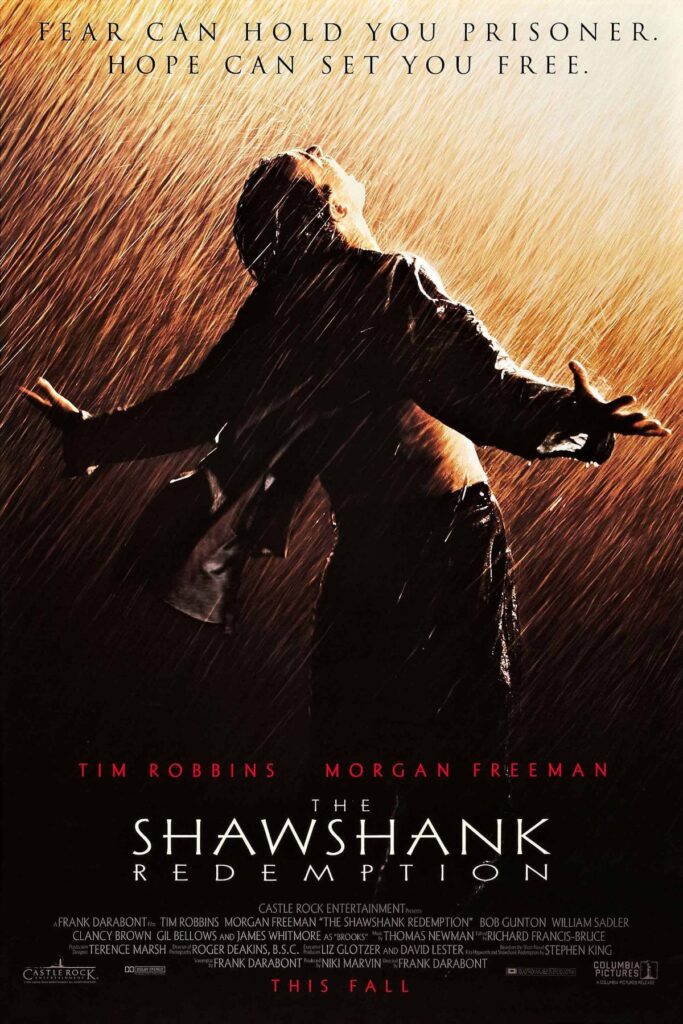
The Shawshank Redemption (1994) — #1 on IMDb, Zero Buzz at Release
Box office: $28.7 million against a $25 million budget. Barely broke even.
Released the same year as Forrest Gump and Pulp Fiction, Shawshank couldn’t compete for attention. It earned seven Oscar nominations and still nobody came.
What saved it: VHS.
It became the most rented film of 1995. People watched it at home, told their friends, and it spread quietly until it became the most beloved movie on IMDb’s Top 250 — where it still sits, decades later.
The film didn’t change. The audience finally caught up.

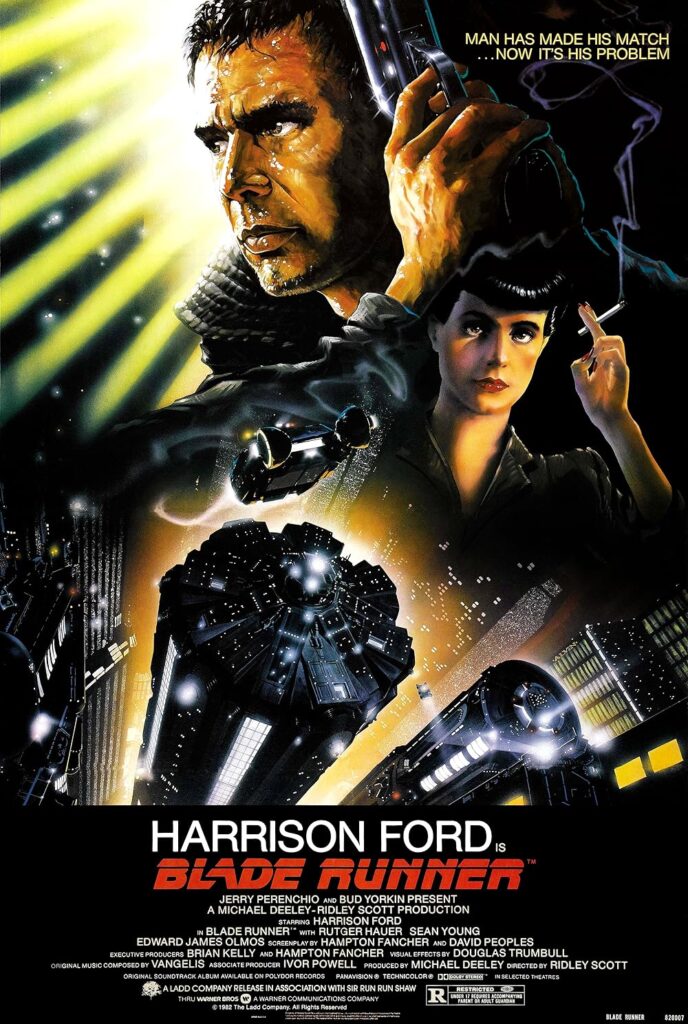
Blade Runner (1982) — Sci-Fi’s Most Influential Flop
Box office: ~$27.6 million against a $28 million budget. A loss.
Critics hated the pacing. Audiences wanted something lighter. The studio forced a voiceover narration and a happy ending that clashed completely with Ridley Scott’s vision.
The director’s cut, released in 1993, changed everything. Stripped of the studio interference, the film’s themes — identity, memory, what it means to be human — finally landed.
Today it’s cited as one of the most influential science fiction films ever made. The Matrix, Ex Machina, AI — all owe something to Blade Runner. The original theatrical cut is almost forgotten.
Best Films of 2025 That You Probably Missed
10 Influential Movies That Shaped Modern Culture — But Nobody Mentions Today
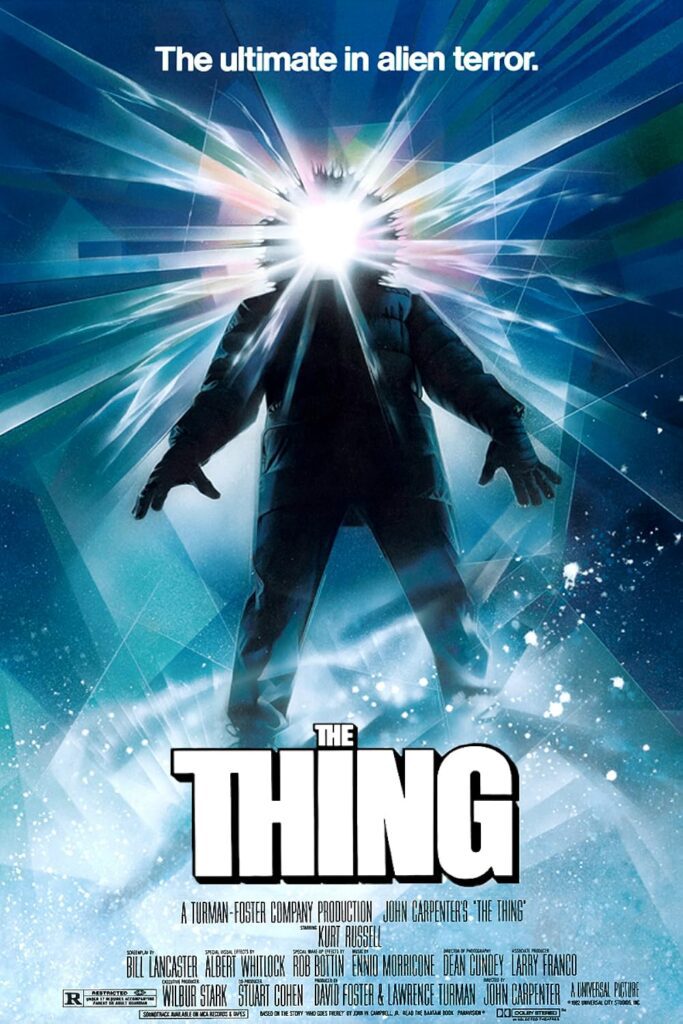
The Thing (1982) — “Instant Junk” That Set the Standard for Practical Effects
Critics called it “instant junk” when it opened in the summer of 1982. It went up against E.T. — which was optimistic, family-friendly, and basically impossible to compete with.
John Carpenter’s film was the opposite: paranoid, gory, nihilistic. Audiences and critics were not ready.
On home video, it found its audience in horror fans who cared about craft. The practical effects — created without CGI — became legendary. The film is now cited as a benchmark for what can be done with physical effects, and frequently appears on “greatest horror films ever made” lists.

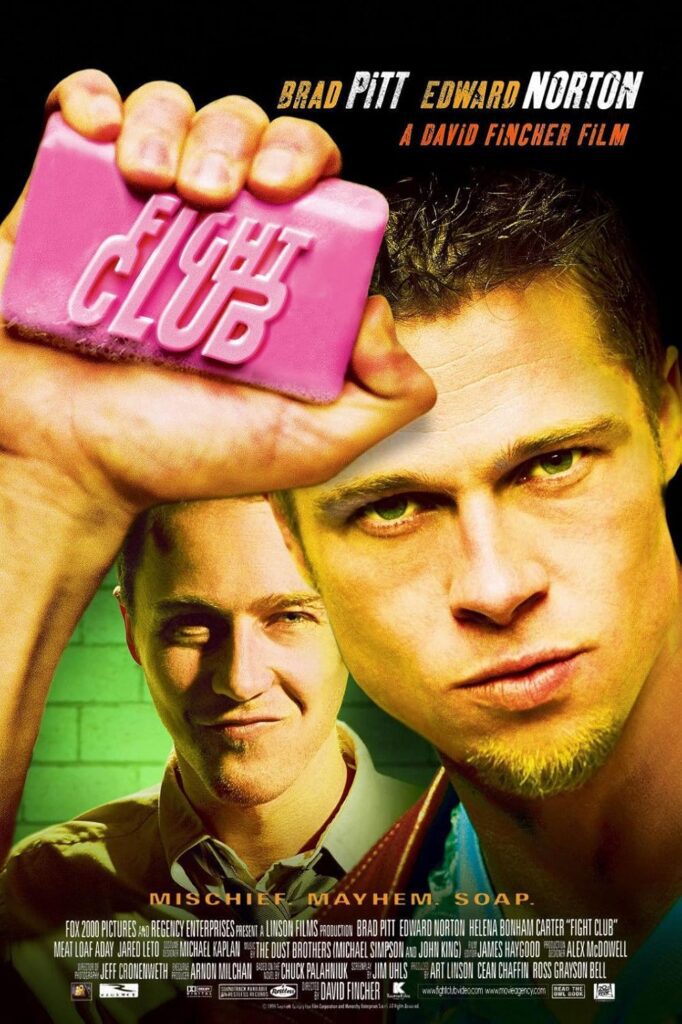
Fight Club (1999) — Lost $26 Million at the Box Office
Budget: $63 million. U.S. gross: $37 million.
Critics were divided. Audiences were confused. The studio was reportedly furious. The head of 20th Century Fox, Bill Mechanic, is rumored to have resigned partly due to the film’s failure.
Then it hit DVD.
Fincher’s film found a massive home-video audience and never left. It’s now considered his most complex work — a satire of masculinity and consumerism that the culture needed years to actually process.
The irony: a film about the dangers of consumer culture became one of the best-selling DVDs of the era.

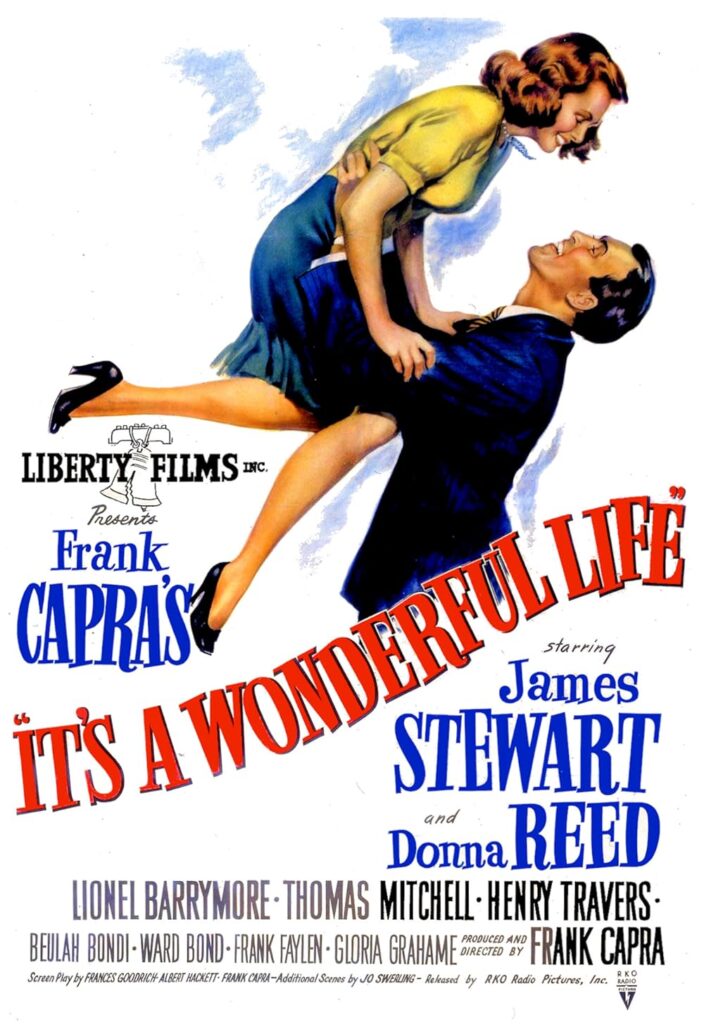
It’s a Wonderful Life (1946) — Flopped So Hard It Became Public Domain
Budget: Over $3 million. The film nearly bankrupted RKO Pictures.
Bad release timing, tough competition from other holiday films, and a mixed critical reception left Frank Capra’s masterpiece in the dust. The rights weren’t renewed in 1974 because nobody thought they were worth renewing.
That accident became the film’s salvation. Without copyright, any TV station could air it for free. It played constantly throughout the 1970s and 80s, especially at Christmas. Entire generations grew up with it.
It’s now one of the most beloved holiday films in American history — kept alive entirely because it failed commercially.

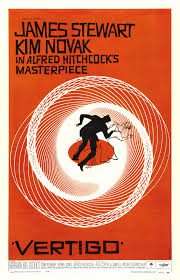
Vertigo (1958) — Hitchcock’s Worst Box Office, World’s Greatest Film
For decades, Vertigo was a footnote in Hitchcock’s career — a box office disappointment that audiences found too dark, too slow, too strange.
In 2012, the Sight & Sound critics’ poll named it the greatest film ever made, knocking Citizen Kane off the top spot for the first time in 50 years.
The film had always been there. The evaluation just changed.

The Pattern Behind Every Reversal
| Film | Original verdict | What changed |
|---|---|---|
| Shawshank Redemption | Overlooked Oscar nominee | VHS rentals, word of mouth |
| Blade Runner | Confusing flop | Director’s cut restored the vision |
| The Thing | “Instant junk” | Home video + horror fandom |
| Fight Club | Box office disaster | DVD culture, repeat rewatching |
| It’s a Wonderful Life | Near-bankrupted RKO | Became public domain, aired constantly |
| Vertigo | Hitchcock disappointment | 50 years of critical reappraisal |
The same factors appear repeatedly: home video, TV reruns, director’s cuts, and simply time — for audiences and critical culture to catch up with what the film was actually doing.
Final Thoughts
The initial reception to a film is shaped by the moment it arrives in — the competition, the cultural mood, what audiences are primed to expect.
Great films sometimes arrive at the wrong moment. Too dark, too strange, too slow for the summer blockbuster crowd. Too subversive for critics trained on conventional structure.
What’s striking about every film on this list is that they didn’t get better over time. They stayed exactly the same. We got better at seeing them.
The critics who called The Thing “instant junk” weren’t stupid — they were measuring it against different expectations. The audiences who avoided Fight Club weren’t wrong about the box office — they just weren’t the film’s actual audience yet.
Which raises the obvious question: what’s playing in theaters right now that we’re completely wrong about?