
Why Some Old Games Still Have Active Communities (And New Ones Don’t)

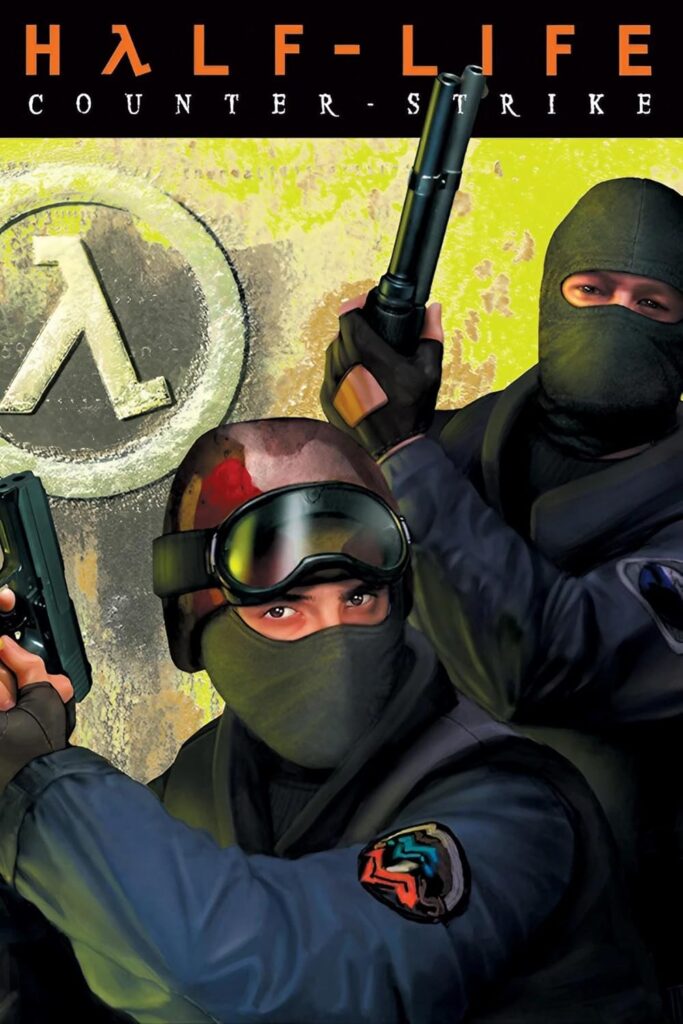
Counter-Strike 1.6 regularly pulls 10,000+ concurrent players on Steam in 2026. That’s a game from 2000. Twenty-six years old.
Meanwhile, Suicide Squad: Kill the Justice League — a AAA game with a DC license and a $200 million+ budget — dropped to 90 concurrent players on Steam within two months of launch.
That gap isn’t nostalgia. It’s design philosophy, business decisions, and a fundamental difference in what these games were built to be.
Here’s the honest breakdown.
Part 1: Old Games That Won’t Die
Counter-Strike 1.6 (2000)
Still alive because of two things the industry has basically abandoned:
1. Minimal requirements — CS 1.6 runs on hardware from 2005. That opens the game to Eastern Europe, Latin America, Southeast Asia, and everywhere with older hardware infrastructure. Global accessibility = global community.
2. Community-run servers — Valve has almost nothing to do with CS 1.6’s survival. Players run the servers. Players make the mods. 8,000+ community maps exist. The game lives without its developer because the developer gave players the tools to keep it alive.
Team Fortress 2 (2007)
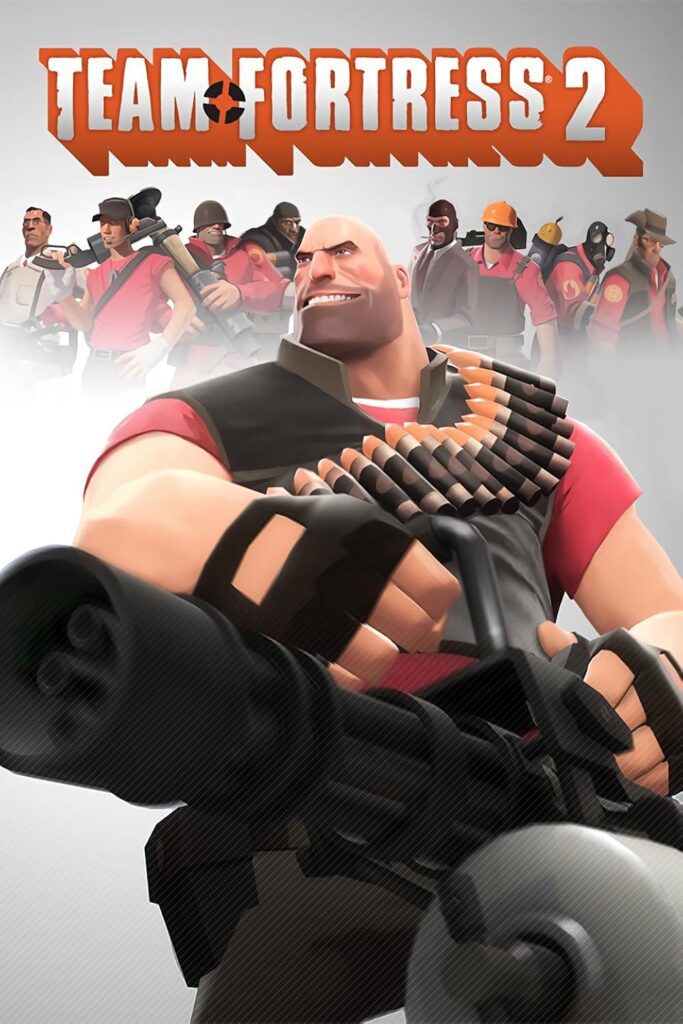
Valve barely touches it. Updates are rare. And yet it sits at 100,000+ concurrent players regularly.
The meme culture around TF2’s abandonment is itself a community bonding experience. The game became a platform for custom servers, fan-made content, and a self-sustaining economy.
The interesting question: is Valve keeping TF2 alive, or is the community keeping it alive despite Valve?

“The $50 Rebellion”: What to Play While Waiting for Fable 2026 (And Why Gothic Remake is Killing the $70 Trend)
Top 10 Asian Games That Conquered the World
The Elder Scrolls V:Skyrim (2011)
Bethesda released Skyrim in 2011. The modding community has been remaking it ever since.
Full graphical overhauls, new questlines, complete gameplay reworks — some of these mods represent thousands of hours of volunteer work. The game you play in 2026 is barely the same product Bethesda shipped.
Bethesda gave players the tools (Creation Kit). Players built a permanent game out of it.
Key pattern emerging: The old games that survive all have this in common — the community can build on them.

Garry’s Mod (2004) and Minecraft (2009)
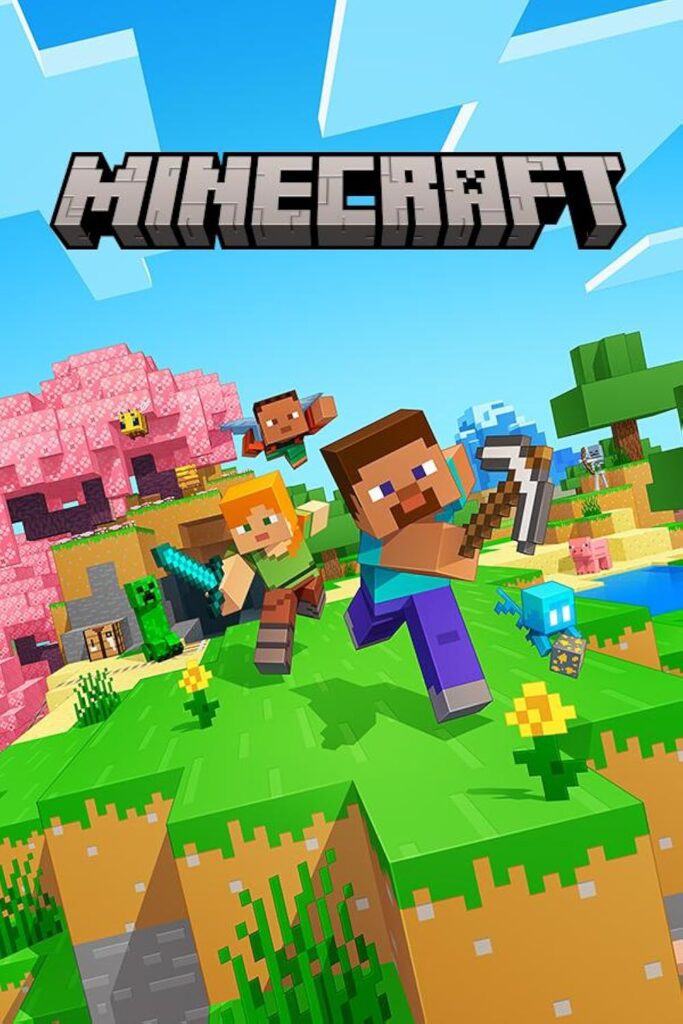
Both are essentially platforms, not games. Garry’s Mod is a physics sandbox. Minecraft is digital LEGO.
When the game is the tools, the community never runs out of content to make. These aren’t games with an ending. They’re creative environments that generate their own reasons to keep playing.

Part 2: New Games That Died Fast
| Game | Peak Players (Steam) | 2 Months Later |
|---|---|---|
| Suicide Squad: KtJL | ~13,500 | ~90 |
| Redfall | ~1,500 | Double digits |
| Marvel’s Avengers | ~31,000 all-time peak | Shut down |
| Anthem | ~100k launch week | Shut down Jan 2026 |
| Babylon’s Fall | <1,000 | Shut down after 1 year |
These aren’t random failures. They’re a pattern.
What Killed Them
1. The studio mismatch problem
Anthem was made by BioWare — one of the greatest single-player RPG studios in history. EA forced them into a live-service shooter. The result was a game that was neither what BioWare was good at nor what players expected from them.
Rocksteady built the Batman: Arkham series — some of the best single-player games ever made. Warner Bros. forced them into a live-service looter shooter. Same result.
“Trying to retrofit a single-player studio into a live-service machine is not a smart bet.” — PC Gamer
2. The live-service trap
The live-service model assumes players will commit long-term. But the market for live-service games already has Fortnite, GTA Online, League of Legends, and World of Warcraft. That pie was divided years ago.
Redfall peaked at 1,500 concurrent players — a number so low that Arkane Austin, a beloved studio, was eventually shut down entirely because of it.
3. No soul, no hooks
The Day Before was pure scam — fake marketing, fake gameplay, released and shut down within days. Babylon’s Fall had Square Enix and PlatinumGames behind it and still drew almost no players. These games had nothing interesting at their core.
When players leave a live-service game early, they leave because there’s no loop worth repeating.
Part 3: Why the Gap Keeps Growing
The old games built communities because they built platforms for communities to exist on.
The new games tried to build subscription revenue and hoped the community would follow. They had the order backwards.
| Old Games | New Live-Service Games |
|---|---|
| Community runs servers | Servers owned by the publisher |
| Modding tools given freely | No modding, no tools |
| Game can live without devs | Game dies when servers shut |
| Built on skill and gameplay loops | Built on FOMO and battle passes |
| Low barrier to access | $60–$70 + season pass |
The most damning thing about a live-service game is what happens when it dies: it stops existing. You can’t play Anthem anymore. Babylon’s Fall is gone. Marvel’s Avengers is shut down.
Counter-Strike 1.6 from 2000 will still be playable in 2040. You can run your own server. You can play it offline. You own it.
Final Thoughts
The question isn’t why old games have active communities. The question is why the industry stopped making games that could have active communities.
The answer is business models. Live-service games need constant player engagement to justify constant content creation. The publisher needs control. So modding is locked out, server ownership is locked out, and when the game stops making money, it stops existing.
The old games that survive gave players ownership — of servers, of tools, of content. The players responded by investing years into them.
The new games that die took ownership away — even of the experience itself — and offered battle passes instead.
You don’t build a 20-year community by selling people a game they don’t actually own.
Which old game do you still play? Which new game disappointed you the most? Let us know in the comments.