
Food Myths You Still Believe — But Shouldn’t

10 everyday nutrition myths debunked by science — in plain language.
Food is emotional.
Food is cultural.
Food is tribal.
And because of that, nutrition myths spread faster than truth.
From TikTok wellness trends to “my grandma said this” advice, the internet is filled with claims that sound logical, comforting, or moral — but are completely detached from how the human body actually works.
In the last decade, nutrition science has changed dramatically. We now know more about metabolism, digestion, weight regulation, and micro- vs. macro-nutrients than ever before. Yet old myths refuse to die — they just repackage themselves in new language.
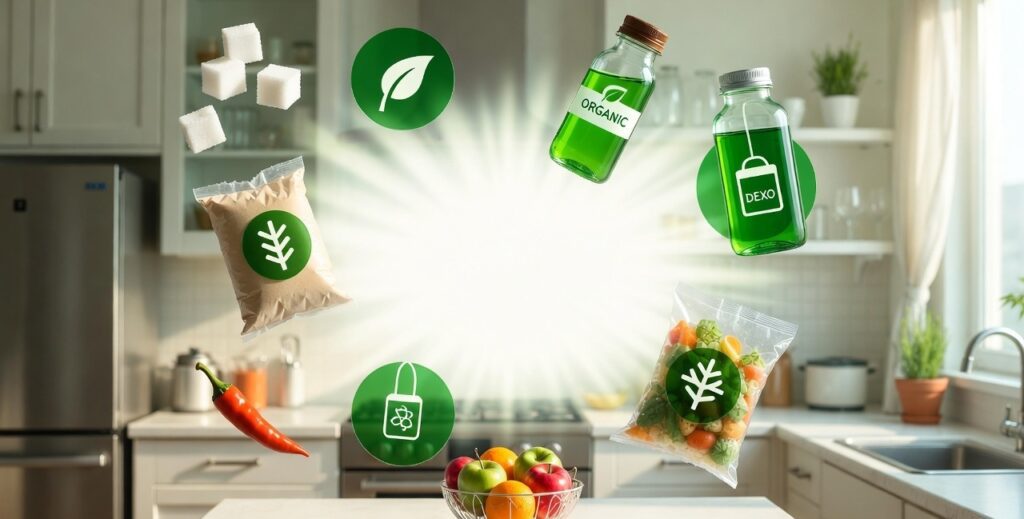
The truth is simple:
Most diet advice people still believe in 2025 is outdated, oversimplified, or flat-out wrong.
This article breaks down 10 of the biggest myths still circulating today. Not to shame anyone — but to give you a clearer picture of how food actually works.
Let’s debunk some nonsense.
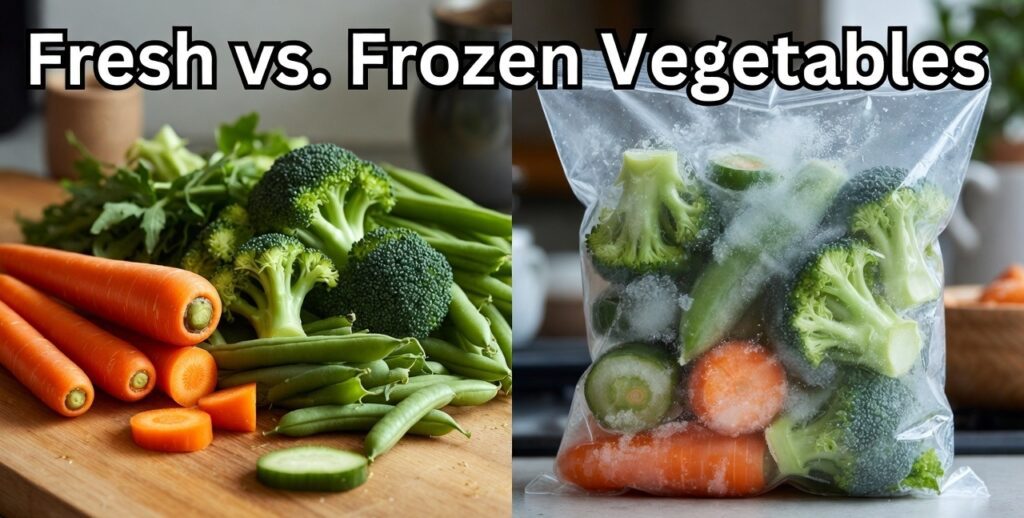
1. “Frozen vegetables are less healthy than fresh ones”
The myth:
Frozen = cheaper, older, lower quality, “less nutritious”.
Reality:
Frozen vegetables are often more nutritious than the “fresh” ones you see on supermarket shelves.
Here’s why:
- Fresh produce is often harvested before full ripeness so it can survive transportation.
- Then it sits in trucks, warehouses, and store shelves for days or even weeks.
- During that time, vitamins — especially vitamin C and antioxidants — degrade naturally.
- Frozen vegetables, on the other hand, are picked at peak ripeness and flash-frozen within hours.
Freezing locks in nutrients and stops degradation. The result?
Frozen vegetables can be equally nutritious — and often more nutritious — than “fresh” produce that traveled across continents.
They’re also cheaper, more convenient, and have zero waste.
The only real disadvantage? Slightly softer texture after cooking.
“The Viral Kitchen”: How a 15-Second TikTok Video Changes What You Eat for Dinner in 2026
Top 10 Desserts You Must Try Before You Die
2. “Carbs make you fat”
The myth:
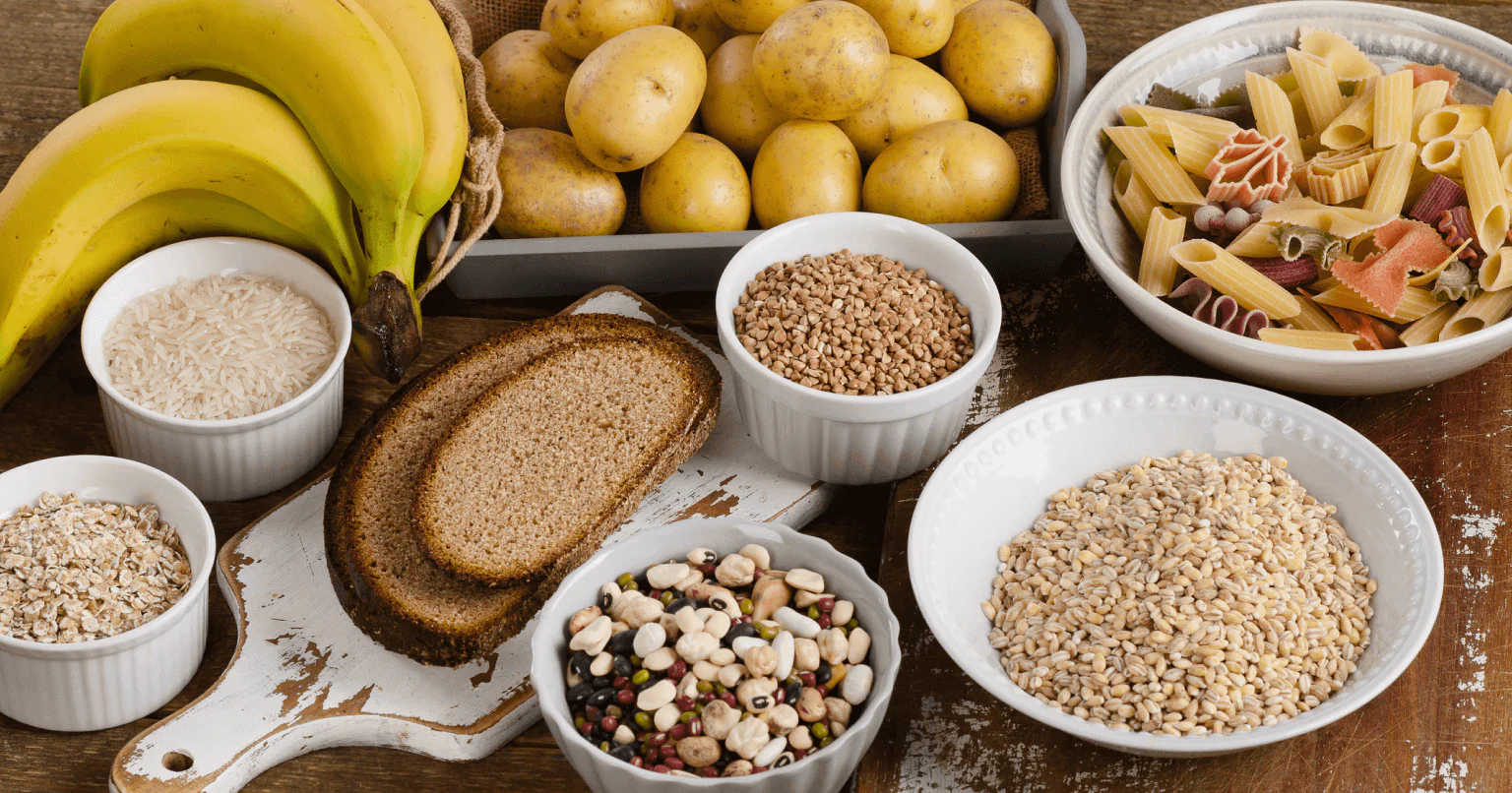
Bread, pasta, potatoes — “bad carbs” that automatically cause weight gain.
Reality:
Carbs do not make you fat.
Overeating does.
Weight gain = consistent caloric surplus → regardless of whether those calories come from carbs, fats, or protein.
Why carbs get blamed:
- They’re easy to overeat (bread, snacks, sweets).
- They often come with added fats (pizza, pastries).
- Low-carb diets became a trend and created a villain.
But fundamentally:
- Complex carbs (potatoes, rice, legumes, oats) provide energy.
- Fiber helps digestion and satiety.
- Carbs do NOT cause fat storage by themselves.
In fact, many of the healthiest cultures on Earth (Japanese, Mediterranean, Middle Eastern) eat high-carb diets and have lower obesity rates.
Carbs aren’t the enemy — uncontrolled portions are.
3. “Gluten is bad for everyone”
The myth:
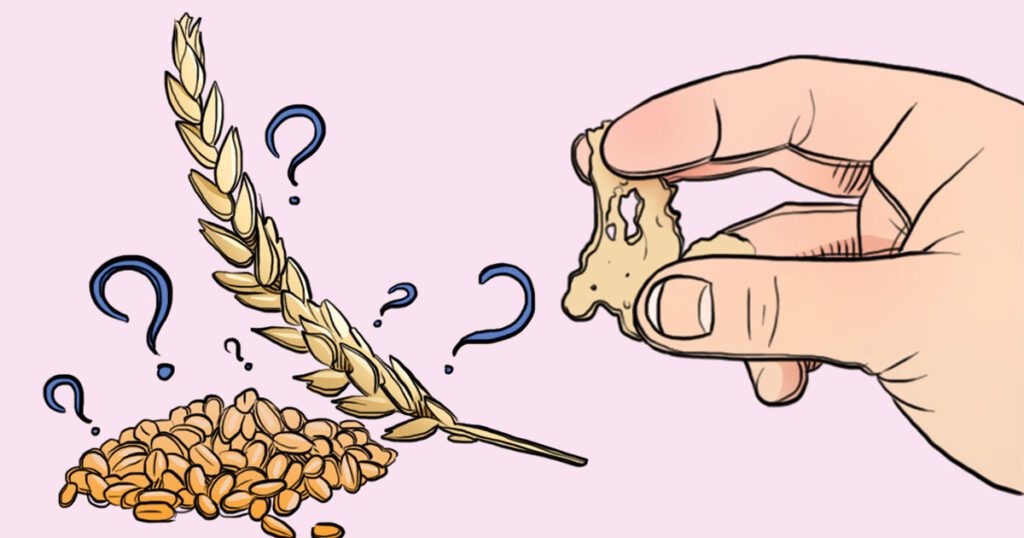
Gluten causes inflammation, bloating, and is harmful for all people.
Reality:
Gluten is problematic for two groups only:
- People with celiac disease (~1% of population)
- People with diagnosed non-celiac gluten sensitivity (~5–6%)
That’s it.
For the other 90–95% of people?
Gluten is harmless.
So why is this myth so strong?
- Gluten-free = huge marketing industry.
- “Inflammation” became a buzzword with no context.
- Influencers blame gluten for everything from fatigue to brain fog.
But in healthy individuals, gluten:
- doesn’t increase inflammation
- doesn’t damage the gut
- doesn’t cause weight gain
- doesn’t raise insulin more than other carbs
If gluten bothers you personally, limit it.
But the idea that gluten is universally bad? Not supported by modern research.
4. “Eating after 6 PM makes you gain weight”
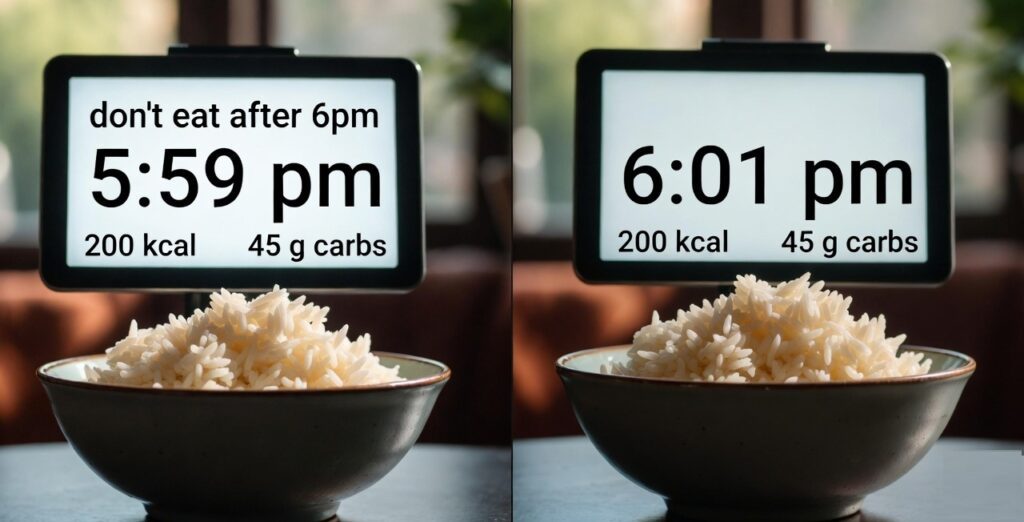
The myth:
Evening calories magically turn into fat.
Reality:
Your body does NOT have a “6 PM calorie cutoff”.
Weight gain is determined by:
- daily caloric intake
- weekly caloric balance
- metabolism
- lifestyle patterns
NOT by the specific hour you eat.
The myth came from:
- misinterpreted fasting research
- outdated diet club rules
- influencers saying “your metabolism slows down at night” (not true)
The only reason eating late might lead to weight gain:
- people tend to snack more at night
- evening eating often = high-calorie foods
- late meals can disrupt sleep → worsen appetite the next day
But biologically?
Calories work the same at 8 PM as at 8 AM.
Eat when it fits your routine — not internet superstition.
5. “Brown sugar is healthier than white sugar”
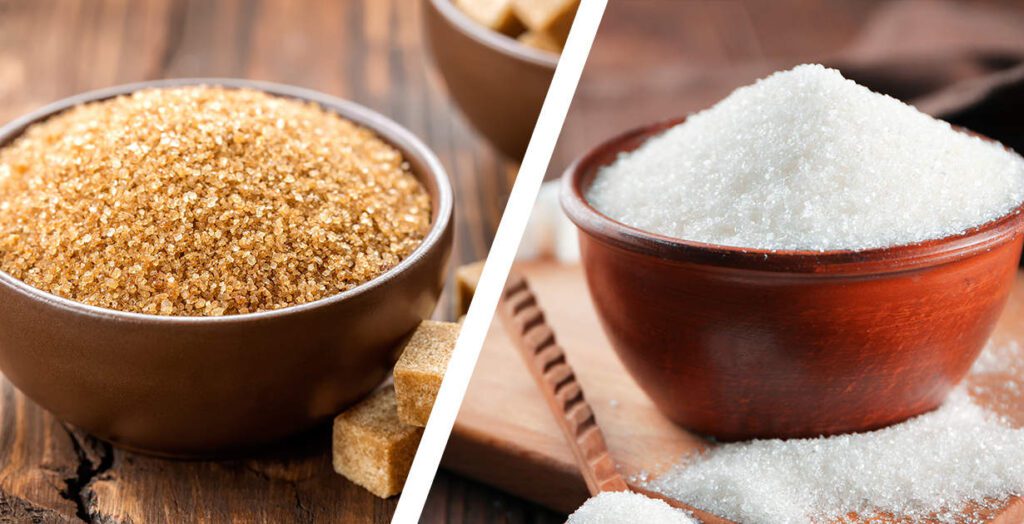
The myth:
Brown sugar = natural, healthier
White sugar = processed, unhealthy
Reality:
Brown sugar is just white sugar with a little molasses added back.
Nutritionally?
- Same calories
- Same impact on blood sugar
- Same metabolic effect
- Same glycemic load
The mineral difference between them is so tiny it has zero impact on health.
The only difference is:
- Flavor
- Color
- Slight moisture in texture
That’s it.
If you prefer brown sugar for taste — great.
But it’s not “healthier.”
Your body recognizes it exactly the same way.
6. “Organic food is always healthier”
The myth:
Organic food has more vitamins, more minerals, and is better for your health.
Reality:
Organic produce is not more nutritious than conventional produce.
Decades of research have shown:
- Vitamin levels ≈ equal
- Minerals ≈ equal
- Antioxidants ≈ equal
What is different:
- Farming methods
- Allowed pesticides
- Environmental impact
- Price (higher)
But organic ≠ inherently healthier.
Sometimes organic food is produced responsibly.
Sometimes it’s just marketing.
Eat organic if you prefer the farming philosophy or flavor —
but don’t expect magical health benefits.
7. “Detox diets clean your body”
The myth:
Juice detoxes, cleanse teas, charcoal drinks — they “flush toxins out”.
Reality:
Your liver and kidneys already detox your body 24/7, regardless of what you drink.
Detox diets don’t remove toxins.
They remove:
- your money
- your carbs
- your energy
That’s it.
Most “detox symptoms” people feel (like headaches, fatigue) are simply:
- low blood sugar
- caffeine withdrawal
- dehydration
- calorie deficit
Detox diets survive because:
- they promise fast results
- they’re Instagram-friendly
- they deliver temporary weight loss (water + glycogen)
But scientifically?
The only real detox is done by your organs.
Eat balanced meals, drink water, sleep enough — you’re detoxing just fine.
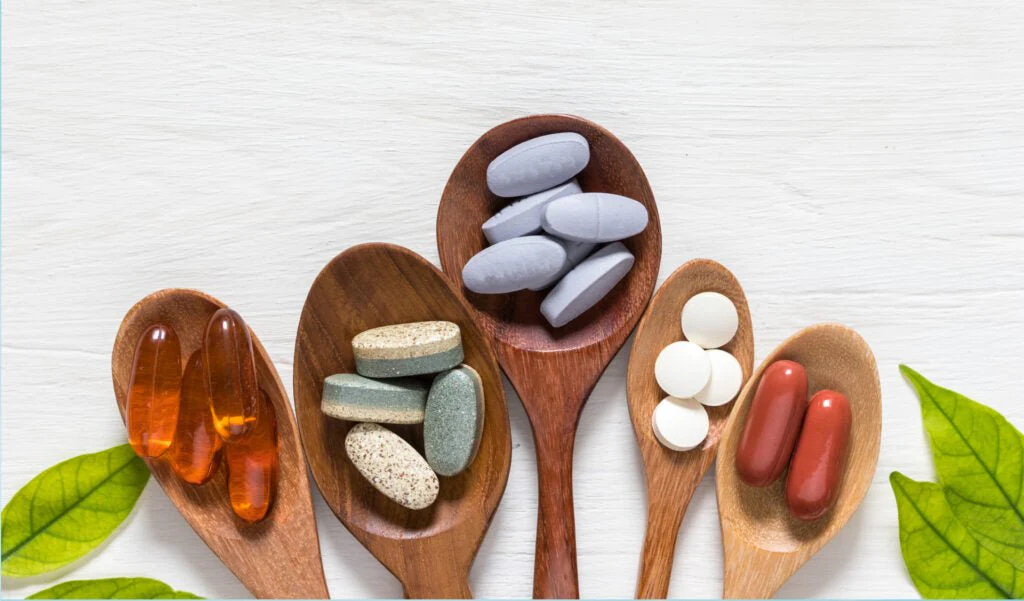
8. “You need supplements to be healthy”
The myth:
Everyone needs vitamins. Everyone is deficient. Supplements = essential.
Reality:
Most people can get 95% of nutrients from normal food:
- fruits, vegetables
- whole grains
- protein sources
- dairy or alternatives
- nuts and seeds
Supplements should serve specific needs, not generic anxiety.
When supplements ARE useful:
- vitamin D deficiency
- B12 for strict vegans
- iron for diagnosed anemia
- omega-3 for people who don’t eat fish
- prenatal vitamins for pregnancy
When they’re NOT useful:
- “immune boosters”
- multi-vitamins “just because”
- supplements for weight loss
- greens powders sold as magic formulas
Supplements ≠ shortcut.
Food is still the foundation.
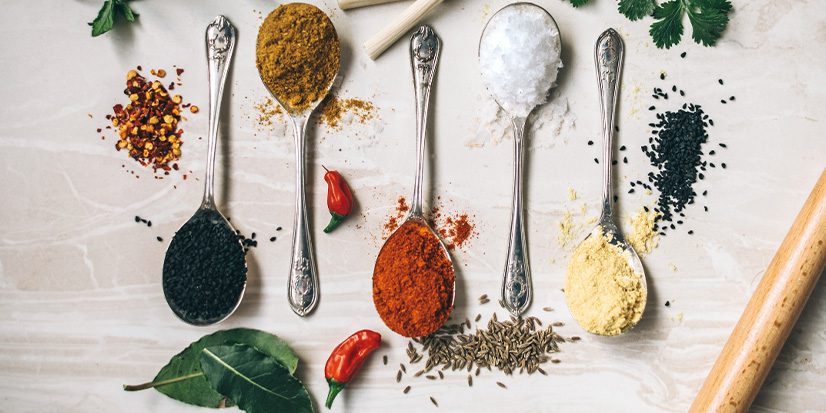
9. “Spicy food causes ulcers”
The myth:
If you eat spicy food, you will burn your stomach lining and cause ulcers.
Reality:
Ulcers are caused by:
- Helicobacter pylori infection
- overuse of NSAIDs (aspirin, ibuprofen)
Not by spicy food.
Spices like chili, ginger, turmeric can irritate existing gastritis,
but they do not cause ulcers.
In fact, some compounds in spicy foods may even have antibacterial or digestive benefits.
This myth persists because people assume “burning sensation = damage”.
But stomach lining is designed to handle acid far stronger than chili.
Moderation matters, but chili ≠ ulcer factory.
10. “Low-calorie foods always help weight loss”
The myth:
If it’s low-calorie, it MUST help you lose weight.
Reality:
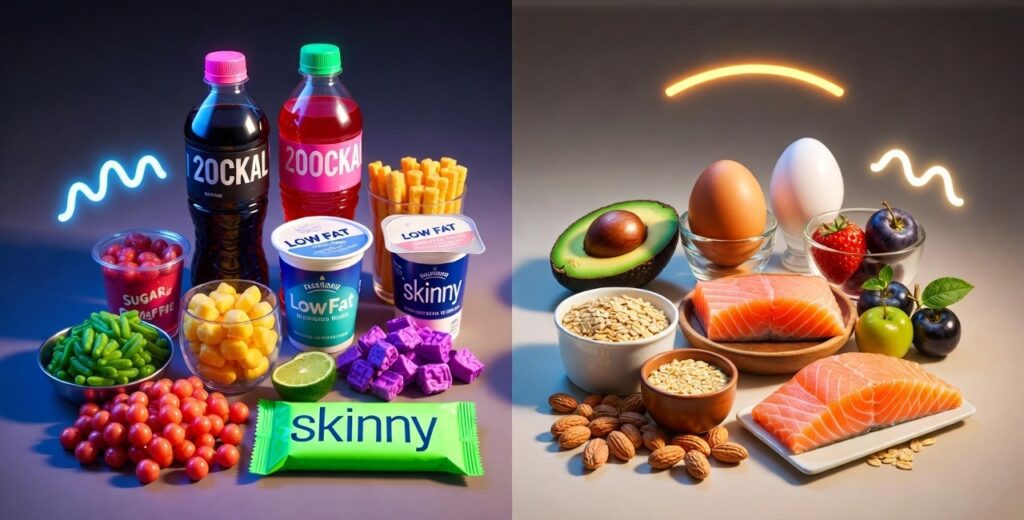
Many low-calorie foods are actually worse for weight control because they:
- don’t keep you full
- spike hunger hormones
- encourage overeating later
- rely on artificial sweeteners or fillers
- create a “health halo” that tricks people into eating more
Examples:
- 0-calorie sodas → still trigger cravings
- low-calorie snacks → high in refined carbs
- “skinny” yogurt → sweetened with sugars
- low-calorie ice cream → ultra-processed + not satisfying
High-quality foods (nuts, eggs, avocado, salmon, whole grains) are calorie-dense but keep you full longer, leading to better appetite control.
Weight loss is about:
- overall calorie deficit
- satiety
- consistency
NOT chasing “low-calorie labels”.
Why These Myths Exist (And Why People Still Believe Them)
Food myths are sticky because:
✔ They oversimplify complex biology
People want easy rules like “carbs bad”, “eat early”, “organic = healthy”.
Real nutrition is more nuanced.
✔ They’re emotionally satisfying
Myths create villains and heroes — “bad foods”, “clean foods”, “superfoods”.
✔ They spread through influencers
Wellness TikTok and Instagram reward oversimplified, aesthetic messaging — not science.
✔ They come from outdated research
Nutrition science has evolved massively in the last 20 years. Old advice often lingers.
✔ They feel intuitive
If something “feels” unhealthy, people assume it is.
✔ The supplement and organic industries profit
Billions are made selling fear and “healthy alternatives”.
Myths survive because they’re powerful stories.
Truth requires boring nuance.
How to Spot Food Misinformation (A Simple Guide)
To avoid falling for food myths:
✔ 1. Be skeptical of anything that sounds absolute
“No carbs”, “no sugar”, “never eat at night”, “eat only organic”.
Real nutrition is contextual.
✔ 2. Beware of miracle claims
“Detox”, “fat-burning foods”, “metabolism boosters”.
✔ 3. Check the credentials
Is the advice from a:
- dietitian?
- doctor?
- scientist?
Or a wellness influencer selling supplements?
✔ 4. Look for studies, not anecdotes
Personal stories are not science.
✔ 5. Ask yourself: who profits?
If the claim sells products, it’s probably marketing.
✔ 6. Follow evidence-based experts
Dietitians and researchers, not life coaches.
Your body is complicated.
Your nutrition should be guided by facts, not fear.
Final Thoughts
Food myths aren’t harmless — they shape how we eat, how we feel about our bodies, and how we judge ourselves. For many people, these myths create guilt, confusion, and unnecessary restriction.
The truth is far simpler:
- Frozen vegetables are fine.
- Carbs are not the enemy.
- Gluten is harmless for most.
- You can eat at any time of day.
- Brown sugar isn’t healthier.
- Organic doesn’t equal more nutritious.
- Detox diets do nothing.
- Supplements are tools, not essentials.
- Spicy food doesn’t cause ulcers.
- Low-calorie foods aren’t magic.
Nutrition isn’t about perfection — it’s about balance, consistency, and understanding your body beyond viral trends.
Eat smart.
Eat without fear.
Eat with knowledge, not myths.