
“The Viral Kitchen”: How a 15-Second TikTok Video Changes What You Eat for Dinner in 2026

The Lifecycle of a Modern Food Trend
In 2026, the journey from a home kitchen to a global restaurant chain takes less than 21 days. This phenomenon, known as “The Viral Loop,” has replaced traditional culinary schools as the primary source of food innovation. When a trend starts on TikTok, it bypasses the “expert” gatekeepers and goes straight to the consumer’s brain, creating instant demand that supply chains struggle to meet.
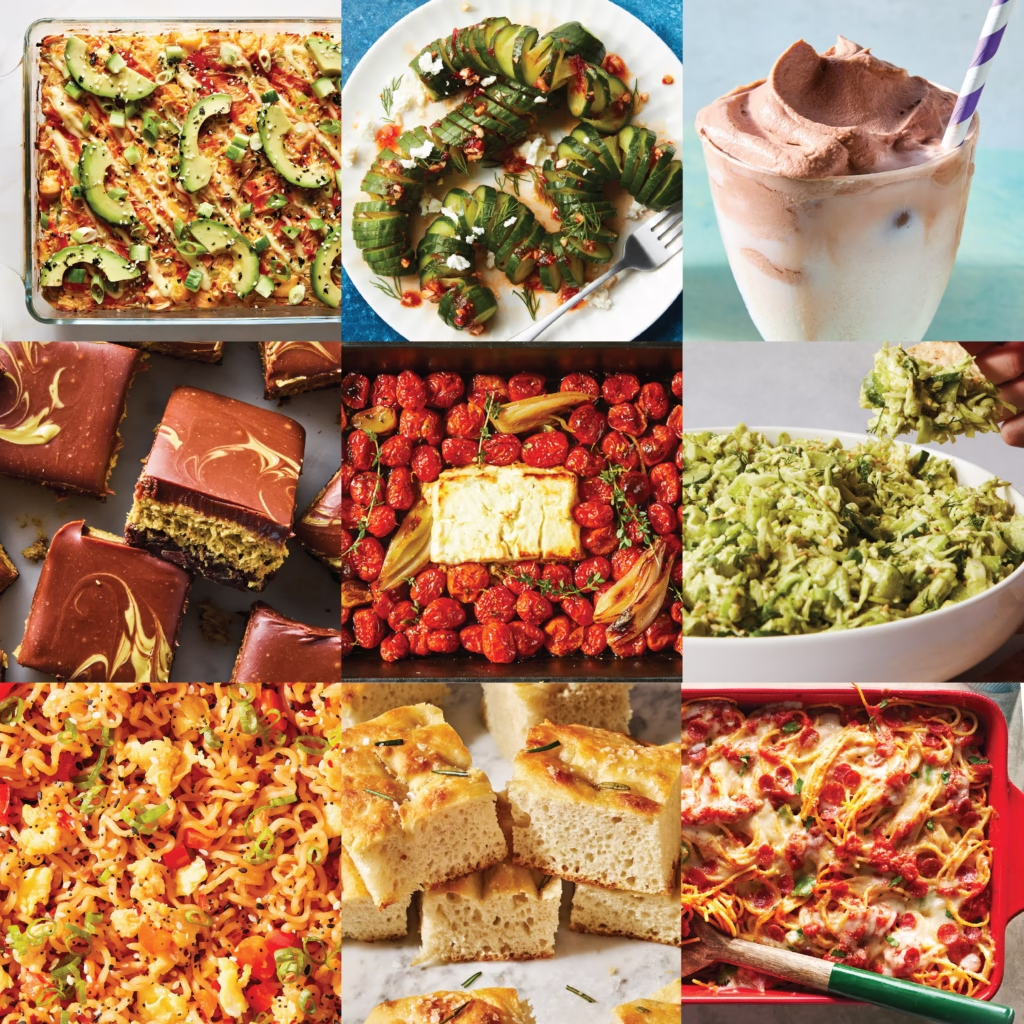
Phase 1: The Accidental Spark (Day 1–3)
Everything starts with “Visual ASMR” or “Chaos Cooking.” In 2026, it’s not about the recipe; it’s about the aesthetic. A creator uses a specific ingredient in a weird way—think “Carbonated Fruit” or “Deconstructed Sushi Tacos.”
- The AI Overview Insight: Google’s algorithms now track “Visual Search Momentum.” If people start searching for “how to carbonize grapes” within a 48-hour window, AI Overview flags it as a breakout trend.
- The Hook: It has to be replicable. If a 19-year-old in a dorm room can’t make it, it won’t go viral.
“The $1 Gourmet”: 7 God-Tier Spices That Make Cheap Ingredients Taste Expensive in 2026
Top 10 Desserts You Must Try Before You Die
Phase 2: The Algorithm Takeover (Day 4–10)
Once the “First 100” creators replicate the dish, the TikTok algorithm pushes it into the Mainstream Awareness Zone. At this point, the “Niche Expertise” we talked about earlier kicks in: food scientists and high-end chefs start “elevating” the trend to gain views. This creates a feedback loop where the trend becomes more refined and “Instagrammable.”
Phase 3: The Restaurant Reaction (Day 11–21)
This is where the money moves. Ghost kitchens and fast-casual chains (like Chipotle or local 2026 startups) have “Trend Response Teams.” They don’t spend months on R&D anymore; they look at the data.
Example: If “Feta Pasta” was the 2021 vibe, the 2026 vibe is “Fermented Honey Garlic Everything.” Restaurants pivot their weekly specials to match the TikTok feed of their local demographic.
The New Power Dynamics: Who Really Decides What You Eat?
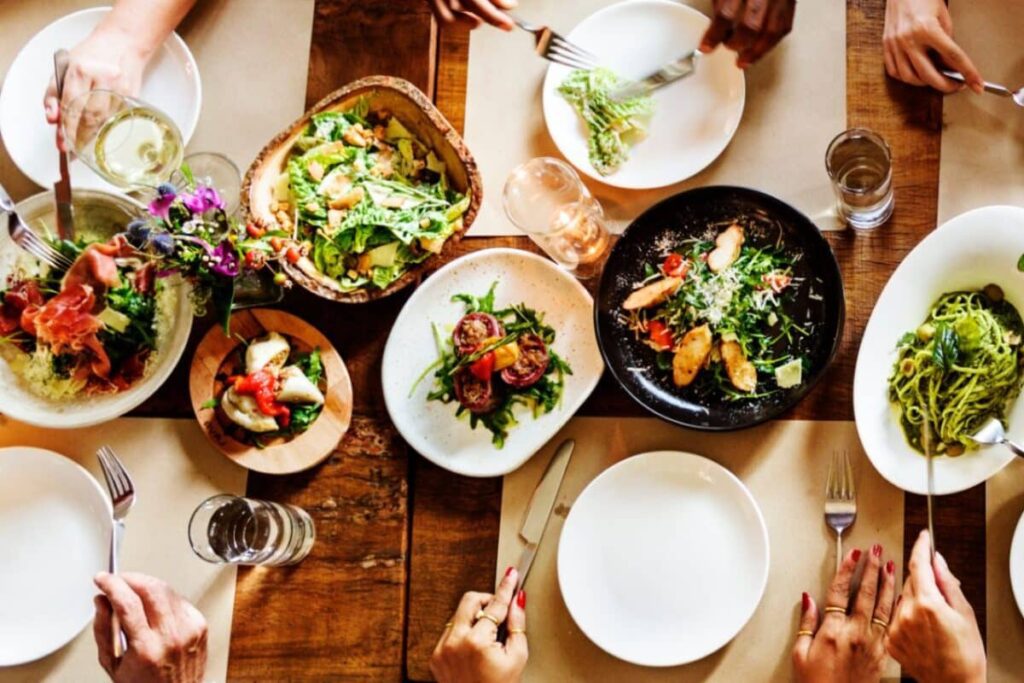
The traditional “Chef-to-Table” model is dead. It has been replaced by the “Creator-to-Supply-Chain” model.
- Big Food is Watching: Companies like Nestlé and Tyson now sponsor creators to “accidentally” discover new ways to use their products.
- The Scarcity Tactic: By Day 15, the key ingredient (e.g., a specific spice or fruit) often sells out in local supermarkets. This “Artificial Scarcity” further fuels the trend’s value.
Why Most Trends Die Within a Month
The “Deep Reset” of food culture in 2026 means that attention is the scarcest resource. A trend survives only if it hits the “Triple Threat”:
- Low Barrier to Entry: Can I buy the ingredients at a 24/7 convenience store?
- High Visual Payoff: Does it look “expensive” on camera?
- The “Umami” Factor: Does it actually taste good, or is it just “stunt food”?
Final Thoughts: You Are the Test Kitchen
In 2026, you aren’t just a consumer; you are a data point in a global experiment. Every time you “like” a food video, you are voting for what will be on your local restaurant’s menu next month. The kitchen has moved from the back of the house to the palm of your hand.