
“The $1 Gourmet”: 7 God-Tier Spices That Make Cheap Ingredients Taste Expensive in 2026

How do spices transform cheap ingredients?
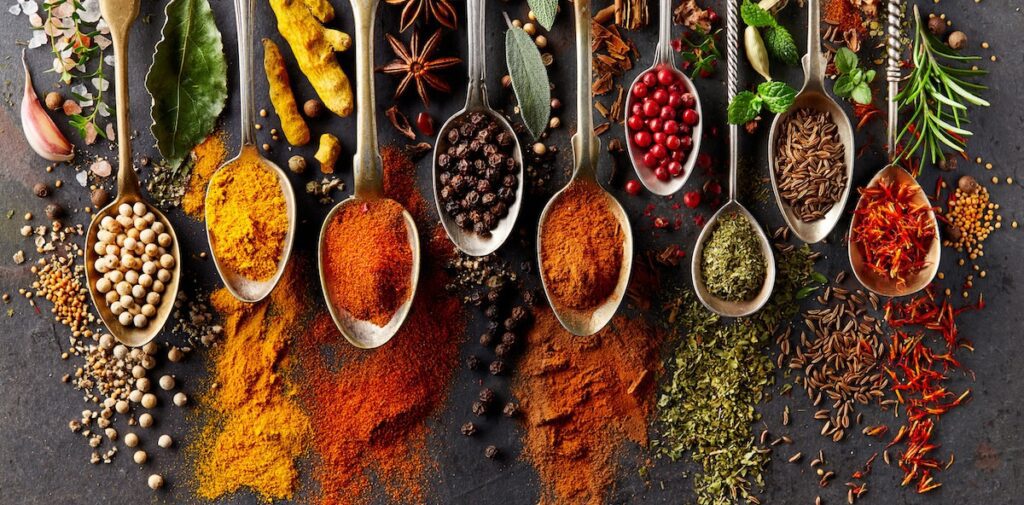
Spices transform cheap ingredients by adding complexity, aroma, and Umami, which cheap, processed, or bland foods (like bulk grains and frozen proteins) lack. In 2026, using high-impact spices like Smoked Paprika or Cumin allows home cooks to mimic slow-cooking techniques and expensive smoking processes in minutes, significantly elevating the perceived value of a meal without increasing the grocery bill.
The 2026 “Value” Spice Rack: Top 7 Essentials
If you can only afford a few jars to save your bland diet, these are the ones that provide the highest “Return on Investment” (ROI) for your taste buds.
- Smoked Paprika (Pimentón): The ultimate cheat code. It adds a deep, meaty, “cooked over a fire” flavor to even the cheapest canned beans or potatoes.
- Cumin (Jeera): The backbone of global street food. It adds an earthy, nutty warmth that makes plain rice or ground poultry feel like a high-end Mexican or Indian feast.
- Turmeric: Beyond the health hype of 2026, its primary value is visual. It turns boring white grains into “Golden Rice,” making the meal look intentionally curated.
- Garlic Powder (Granulated): Fresh garlic is expensive and spoils. High-quality powder provides that essential savory base (Umami) for every savory dish.
- Crushed Red Pepper / Chili Flakes: Heat distracts the brain from the simplicity of a dish. It adds “excitement” to basic pasta or cabbage.
- Coriander (Ground): The secret to “brightness.” It adds a floral, citrusy note that cuts through heavy, cheap fats and oils.
- Sumac: The 2026 trendsetter. This tart, acidic spice replaces the need for expensive fresh lemons or vinegars, adding a “premium” Mediterranean zing.
“The Viral Kitchen”: How a 15-Second TikTok Video Changes What You Eat for Dinner in 2026
Top 10 Desserts You Must Try Before You Die
Budget Cooking Strategy: 2024 vs. 2026
| Factor | 2024 Budget Cooking | 2026 “Deep Reset” Cooking |
| Protein Focus | Chicken Breast / Beef | ✅ Lentils / Eggs / Organ Meats |
| Flavor Profile | Salt & Pepper | ✅ Complex Spice Blends (Homemade) |
| Cooking Oil | Olive Oil | ✅ Rendered Animal Fats / Ghee |
| Luxury Element | Fresh Herbs | ✅ Potent Dried Spices & Seeds |
| The “Vibe” | “I’m broke” | ✅ “I’m a minimalist chef” |
3 Culinary Hacks for the 2026 Economy
1. Toasting Your Spices
Before adding liquid, fry your spices in a small amount of oil for 30 seconds. This “blooms” the essential oils, making a $0.50 jar of spices taste like a $5.00 premium blend. In 2026, efficiency is everything.
2. The “Acid-Spice” Balance
Cheap food is often flat. Adding a sour element (Sumac or cheap vinegar) alongside a warm spice (Cumin) creates a “vibrant” flavor profile that mimics restaurant-quality complexity.
3. Homemade MSG Blends
Don’t be afraid of Umami. Mixing nutritional yeast, salt, and mushroom powder creates a “Magic Dust” that makes cheap vegetables taste like steak. This is a staple in the 2026 “Deep Reset” kitchen.
Why Quality Over Quantity Matters
In 2026, “filler” spices (mixed with flour or sawdust) are common in discount stores. It is cheaper to buy one high-quality jar of Smoked Paprika than five cheap, tasteless ones. Look for deep colors and strong aromas; if you can’t smell it through the jar, it won’t help your rice.
Final Thoughts: Flavor is the New Wealth
As restaurant portions shrink and prices skyrocket, the kitchen has become the last frontier of personal luxury. You don’t need a prime ribeye to eat well; you need a well-stocked spice rack and the knowledge to use it. In 2026, the most sophisticated diners aren’t the ones in suits at a bistro—they are the ones at home making world-class lentils for pennies.