
Most Influential Video Games of the Last 15 Years

Over the past 15 years, the video game industry has changed more than ever before. New business models replaced old ones, indie games reshaped creativity, and entire genres were born almost overnight. While thousands of games were released during this period, only a handful truly changed how games are designed, played, and monetized.
Below are 10 of the most influential video games of the last 15 years — not just popular titles, but games that left a lasting impact on game development itself.
Minecraft
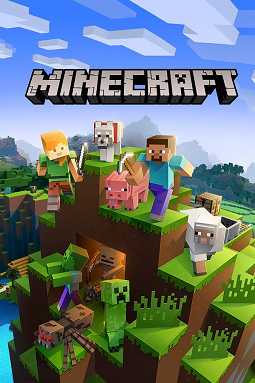
Few games have influenced modern game development as deeply as Minecraft. What started as a simple block-based sandbox evolved into a global phenomenon that redefined player freedom.
Minecraft popularized user-generated content, emergent gameplay, and community-driven creativity. It proved that players don’t need strict objectives to stay engaged — they need tools. Its influence can be seen in countless sandbox, survival, and crafting games released since.
More importantly, Minecraft helped normalize modding, streaming, and long-term game support, changing how developers think about longevity.

Dark Souls
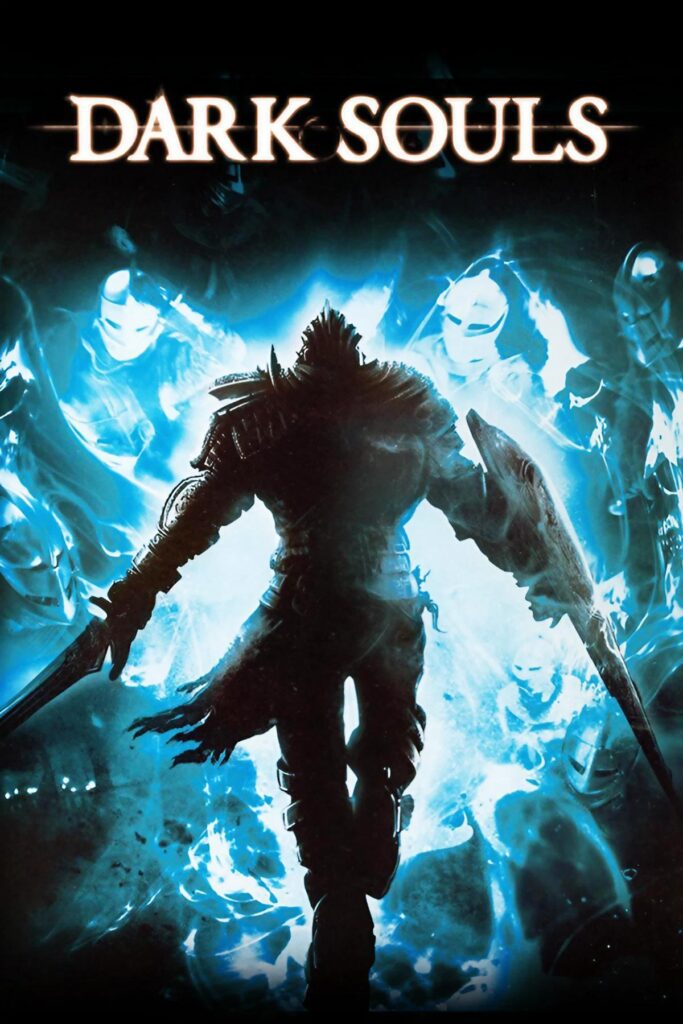
Dark Souls reshaped how difficulty and challenge are perceived in modern games. At a time when accessibility was becoming the norm, it embraced punishing combat, minimal tutorials, and indirect storytelling.
The result was the birth of the soulslike genre, inspiring hundreds of games across indie and AAA development. Environmental storytelling, stamina-based combat, and meaningful player failure became design tools rather than obstacles.
Dark Souls didn’t just influence mechanics — it influenced philosophy.

League of Legends
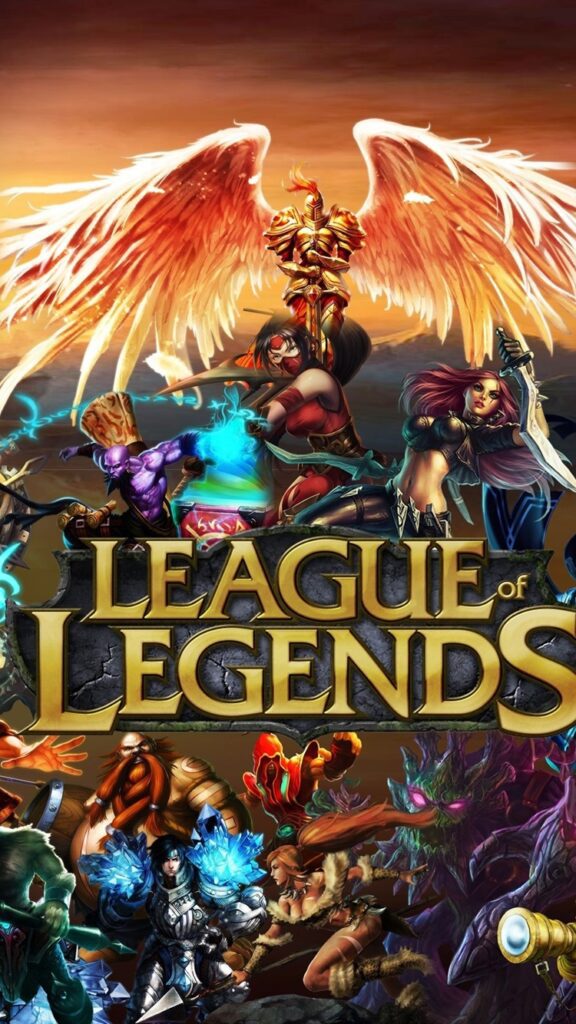
League of Legends is one of the most important games in competitive gaming history. It solidified free-to-play monetization, live balance updates, and esports as a sustainable ecosystem.
Its influence goes far beyond MOBAs. Seasonal content, cosmetic monetization, and community-driven balance patches are now standard across many genres. League of Legends also demonstrated how a game can function as a long-term service rather than a one-time product.
Modern live-service design owes a lot to Riot’s blueprint.

Best Games for Couples to Play Together in 2026: Co-op From Easy to Competitive
Top 10 Asian Games That Conquered the World
The Witcher 3: Wild Hunt
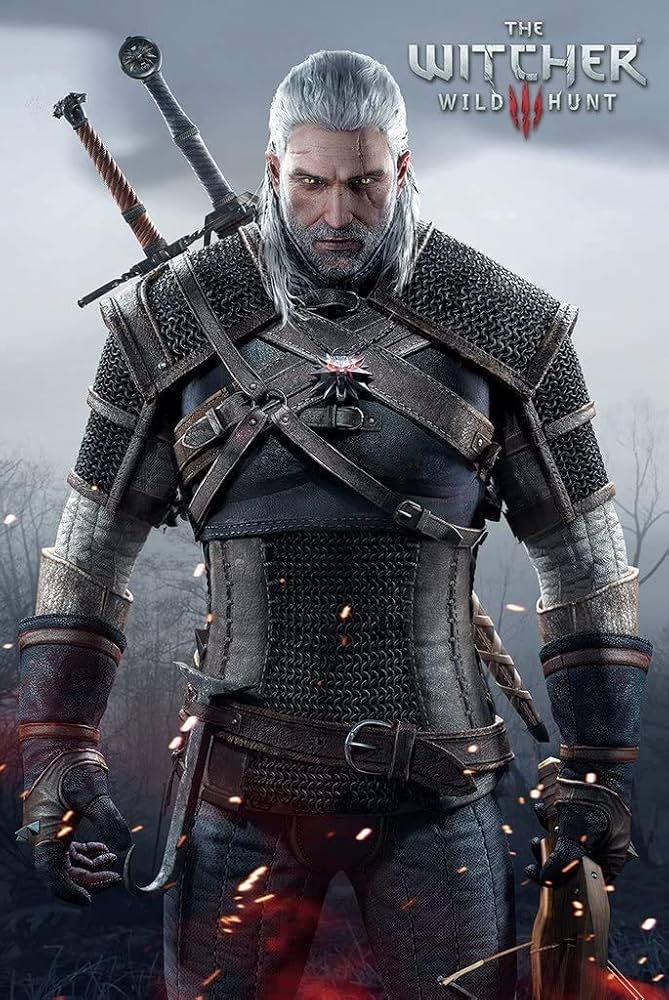
When The Witcher 3 released, it redefined expectations for open-world RPGs. Side quests were no longer filler — they became narrative experiences with emotional weight and long-term consequences.
Its mature storytelling, branching dialogue, and richly detailed world influenced countless RPGs that followed. Developers began prioritizing quality over quantity in quest design, aiming to make every story meaningful.
The Witcher 3 showed that open worlds can be deep, personal, and story-driven without sacrificing scale.

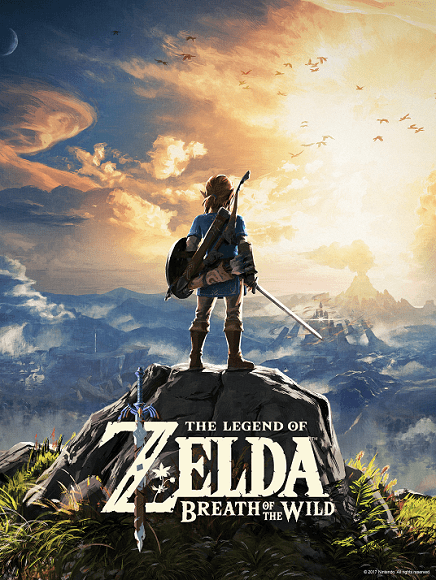
The Legend of Zelda: Breath of the Wild
Breath of the Wild changed how developers approach open-world design. Instead of guiding players with waypoints and markers, it trusted curiosity and experimentation.
The game’s system-driven gameplay — where physics, chemistry, and mechanics interact freely — inspired a new generation of open-world titles. Players could solve problems in unexpected ways, making exploration feel personal and organic.
Breath of the Wild proved that freedom itself can be the core mechanic.

PUBG: Battlegrounds
PUBG was the spark that ignited the battle royale explosion. While not the first game of its kind, it brought the genre into the mainstream and demonstrated its massive potential.
Its last-man-standing formula influenced shooters, mobile games, and even non-action genres. PUBG also accelerated trends like large-scale multiplayer maps and high-stakes survival mechanics.
Without PUBG, the modern multiplayer landscape would look very different.

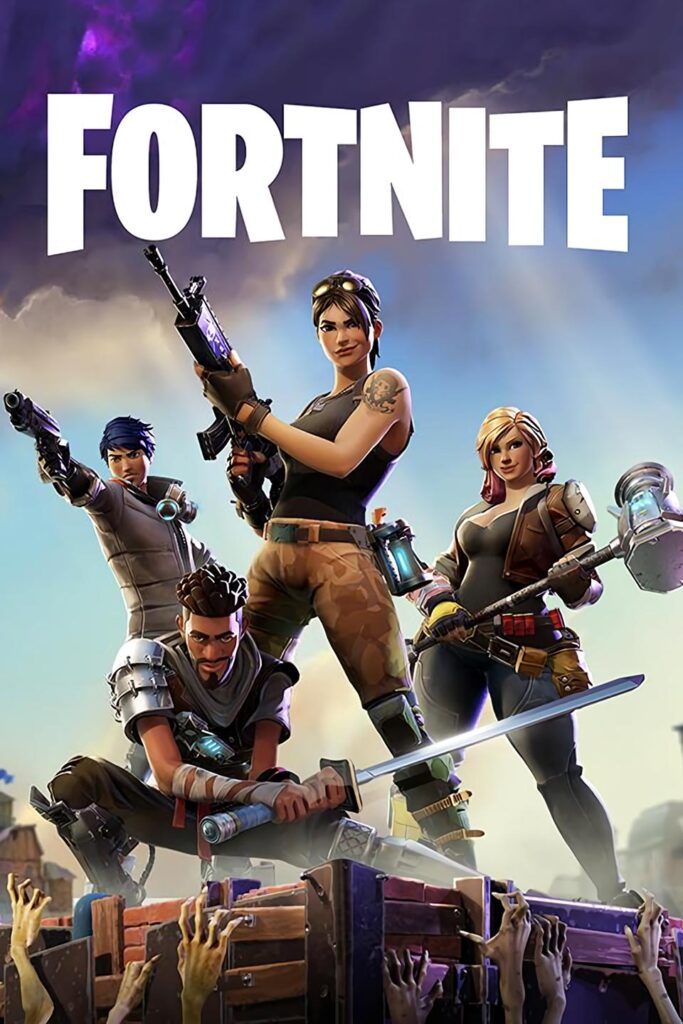
Fortnite
If PUBG popularized battle royale, Fortnite transformed it into a cultural platform. With live events, constant updates, and massive crossovers, Fortnite blurred the line between games, social spaces, and digital media.
It redefined games as live services, influencing monetization, content pacing, and player retention strategies. Fortnite showed that games could function as evolving worlds rather than static products.
Today’s live-service models are built on lessons learned from Fortnite.

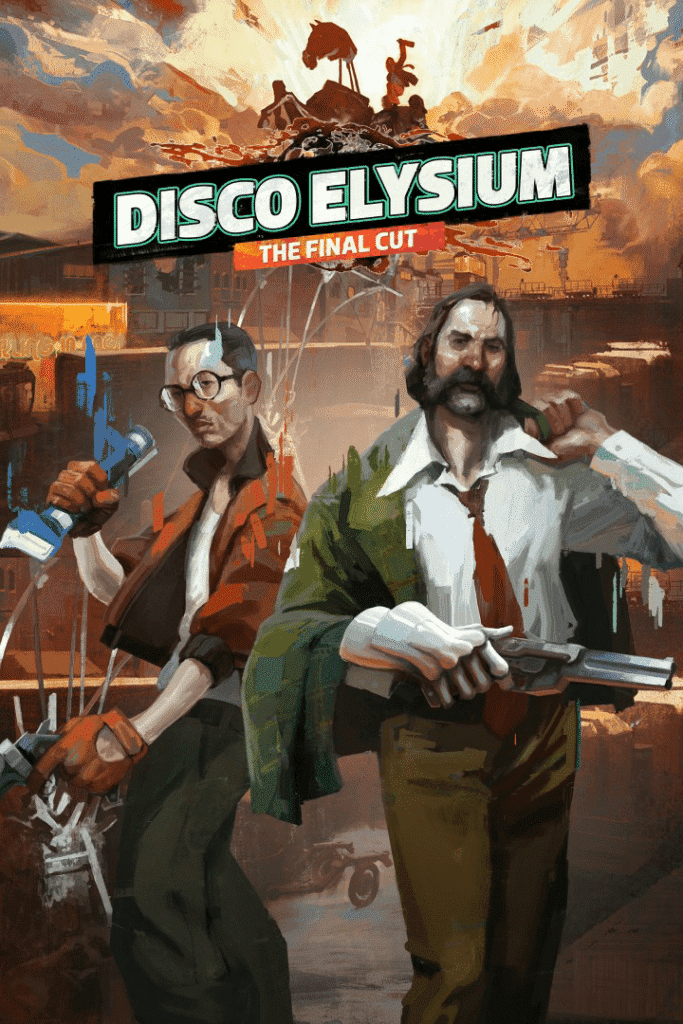
Disco Elysium
Disco Elysium challenged the assumption that RPGs need combat. Instead, it placed writing, choice, and internal conflict at the center of gameplay.
Its success proved that text-heavy, narrative-driven games can thrive in the modern market. Disco Elysium influenced indie developers to take creative risks and showed AAA studios that players value deep storytelling.
It expanded the definition of what an RPG can be.


Elden Ring
Elden Ring combined the challenge of soulslike games with the freedom of an open world — and changed expectations for AAA design.
By removing rigid progression and encouraging exploration, it made difficult gameplay accessible without lowering its challenge. Its success influenced how studios approach open-world pacing, discovery, and player autonomy.
Elden Ring didn’t just evolve a genre — it unified two major design philosophies.

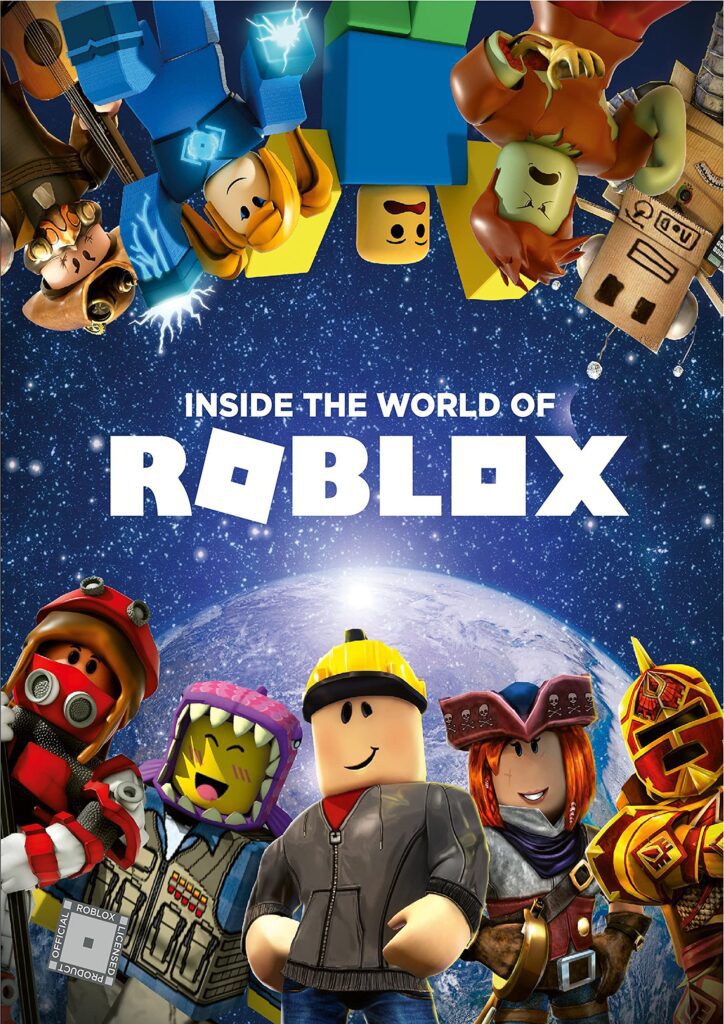
Roblox
More than a game, Roblox is a platform for creation. It empowered players to become developers, complete with tools, monetization systems, and virtual economies.
Roblox influenced how developers think about communities, user-generated games, and digital ownership. It also reshaped how younger audiences interact with games — as social spaces rather than traditional products.
Its impact on the future of game development is still unfolding.

Final Thoughts
The most influential video games of the last 15 years didn’t just entertain — they changed the rules. They introduced new genres, reshaped monetization, redefined storytelling, and altered how players interact with virtual worlds.
These 10 games didn’t follow trends.
They created them.