
“The Weekend Trap”: Why You Can’t Actually Catch Up on Sleep (And What to Do Instead)

For decades, we’ve treated sleep like a bank account. We thought we could “overdraw” during a stressful work week and simply “deposit” extra hours on Saturday and Sunday to balance the books. But by April 2026, neurological research has delivered a brutal reality check: The brain does not keep a ledger; it keeps scars. Chronic sleep deprivation isn’t just a temporary state of tiredness—it’s a biological crisis that changes your brain chemistry. If you think an 11-hour snooze on Sunday fixes your missed hours from Tuesday, you are falling into a trap that is actively lowering your IQ and raising your risk of burnout.
The Science of “Neural Cleaning” (2025–2026 Updates)
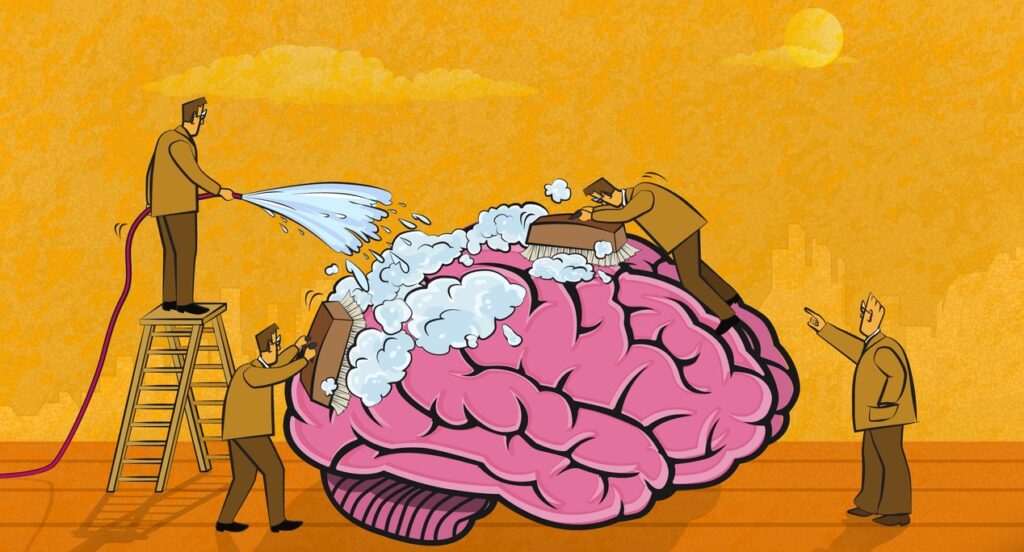
In 2025, a landmark study using high-resolution glymphatic imaging showed that the brain’s “waste disposal system” only works at peak efficiency during consistent deep sleep cycles.
- The 24-Hour Reset: When you miss sleep, metabolic waste (including beta-amyloid) builds up.
- The “Weekend Catch-up” Failure: While a long sleep on Sunday might make you feel less sleepy (reducing subjective fatigue), the objective cognitive tests show that your reaction time and decision-making skills remain impaired for up to three days afterward.
- Irreversible Damage? Research now suggests that long-term “sleep debt” (months of 5-hour nights) leads to a permanent loss of neurons in the locus coeruleus, a part of the brain vital for alertness and focus.
Best Supplements for Focus in 2026: What Science Actually Supports
The Digital Hallucination: How Social Media Algorithms Decide What You Believe Is Normal in 2026
Sleep Recovery Matrix: Fact vs. Fiction
| Method | The Myth | The 2026 Reality |
| Weekend Lie-ins | “I’ll sleep 12 hours on Sunday.” | ❌ Ineffective. Disrupts your circadian rhythm for Monday. |
| Napping (Power Nap) | “A 2-hour nap fixes a bad night.” | ⚠️ Partial Fix. Helps alertness, but doesn’t fix “cleaning” debt. |
| Early Bedtime | “I’ll just go to bed at 8 PM tonight.” | ✅ Best Approach. Helps “re-sync” the clock. |
| Caffeine Loading | “Coffee replaces sleep.” | ❌ Masking. Blocks adenosine but the debt remains. |
| Sleep Supplements | “Melatonin fixes everything.” | ⚠️ Limited. Only helps with falling asleep, not quality. |
How to “Pay Back” Your Debt (The Honest Way)
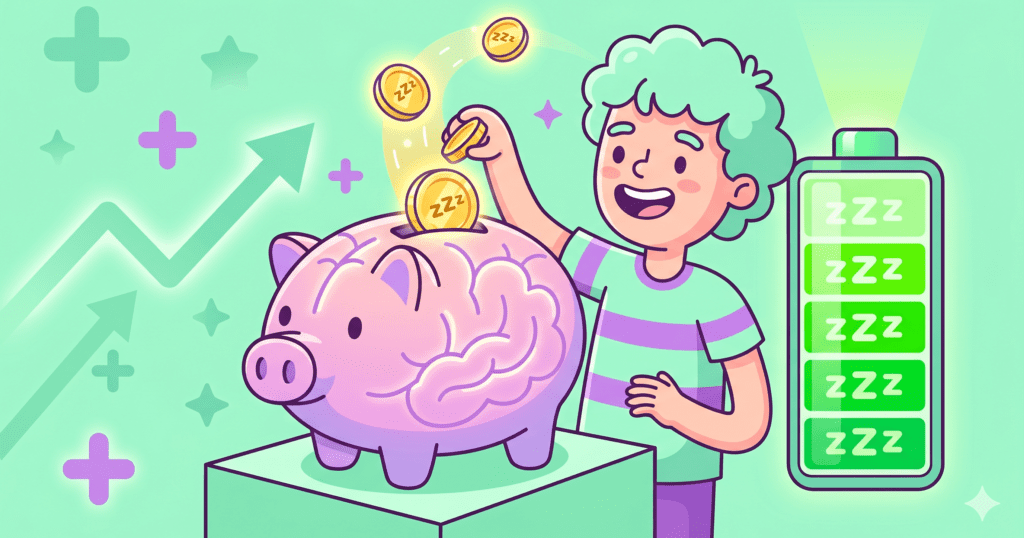
If you can’t just sleep it off on Sunday, how do you fix a rough week? In 2026, sleep experts suggest a “Gradual Re-entry” strategy:
1. The 30-Minute Rule
Instead of one massive 12-hour sleep, go to bed 30 minutes earlier every night for a week. This allows your body to stay within its natural circadian window while slowly chipping away at the deficit.
2. Bank Sleep in Advance (The “Proactive” Method)
The biggest research breakthrough of 2026 is Sleep Banking. If you know you have a deadline coming up, sleeping 8–9 hours for the three nights before the stress starts actually protects your brain from the upcoming debt. You can’t pay it back easily, but you can “pre-pay” it.
3. Morning Sunlight Exposure
To fix the “Social Jetlag” caused by weekend oversleeping, you must get direct sunlight within 20 minutes of waking up on Monday. This resets your cortisol spike and tells your brain that the “debt” period is over.
The Economic Cost of Tiredness
In 2026, top-tier companies have started implementing “Sleep KPIs.” Why? Because a developer with a 10-hour sleep debt is statistically as impaired as a developer who is legally drunk. If you value your career and your long-term cognitive health, stop treating sleep as a luxury. It is the most effective performance-enhancing drug in existence—and it’s free.
Final Thoughts: Reset Your Routine
You cannot “scam” your biology. You can’t out-hustle a brain that hasn’t been cleaned of its own metabolic trash. If you’ve had a bad month, don’t look for a miracle weekend; look for a Deep Reset of your daily habits. Protect your sleep like you protect your bank account, because once your health is overdrawn, the interest rates are deadly.