
The Great Sterilization: Why Modern Life Feels Boring in the 21st Century

Why does modern life feel so boring and colorless? A deep look at design, technology, dopamine culture, and the silent sterilization of the 21st century.
The Promise vs. the Reality
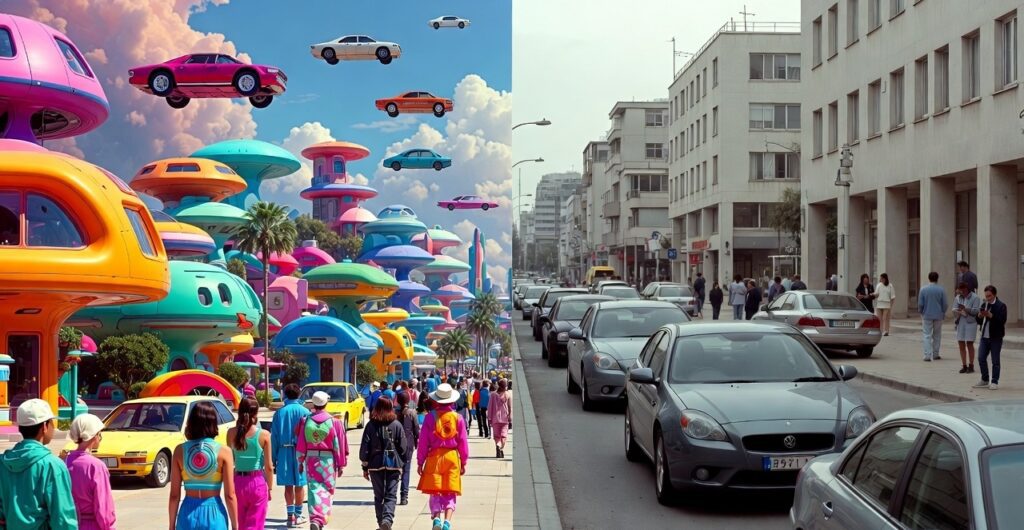
The 21st century was supposed to feel like a sci-fi dream — flying cars, bold architecture, cities shaped by imagination.
Instead, we got something unexpected: a world that feels strangely monotone, sterile, and emotionally flat.
Cars blend into the same palette of white, black, and gray.
Smartphones are nearly identical slabs of glass.
Cities are filled with glass boxes, each indistinguishable from the next.
And people? Many drift through their days in a soft digital trance, scrolling for quick dopamine hits instead of living with depth.
Something changed — not suddenly, but gradually.
This article explores why modern life feels boring, and how technology, design, and culture quietly pushed us into the age of Great Sterilization.
1. The Aesthetic of Sterility: A World Losing Its Color
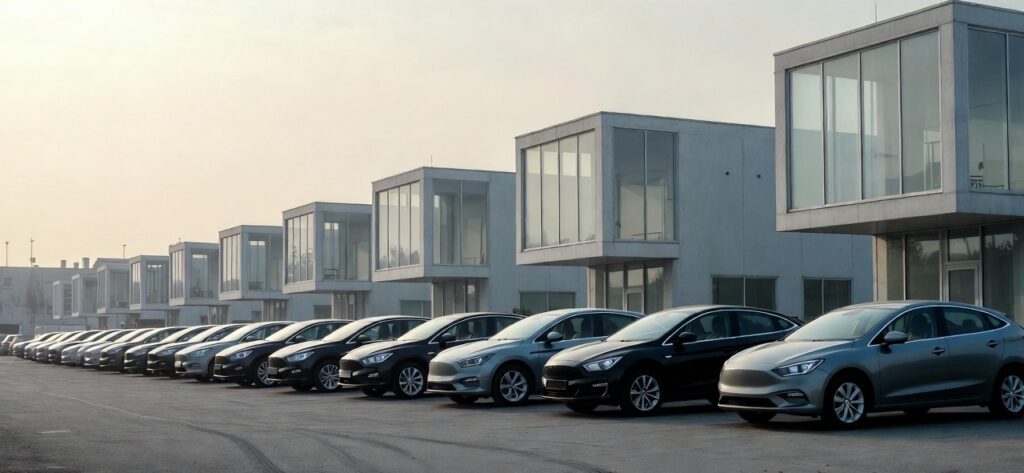
Walk down any modern street and you’ll notice it instantly.
Where did the color go?
- Cars used to be bold: reds, yellows, greens, blues. Today over 75% of cars sold globally are some shade of white, black, or gray.
- Buildings once had character — unique facades, local styles, handmade details. Now international architecture looks the same in every city.
- Smartphones from ten different brands feel like variations of the same rectangle.
This is not accidental. It’s the result of industries optimizing for:
- mass production
- lower risk
- inoffensive design
- universal appeal
The outcome?
A world that became functional but soulless — built for efficiency, not beauty.
The Digital Hallucination: How Social Media Algorithms Decide What You Believe Is Normal in 2026
“The Weekend Trap”: Why You Can’t Actually Catch Up on Sleep (And What to Do Instead)
2. The Rise of “Easy Dopamine” and the Decline of Real Joy
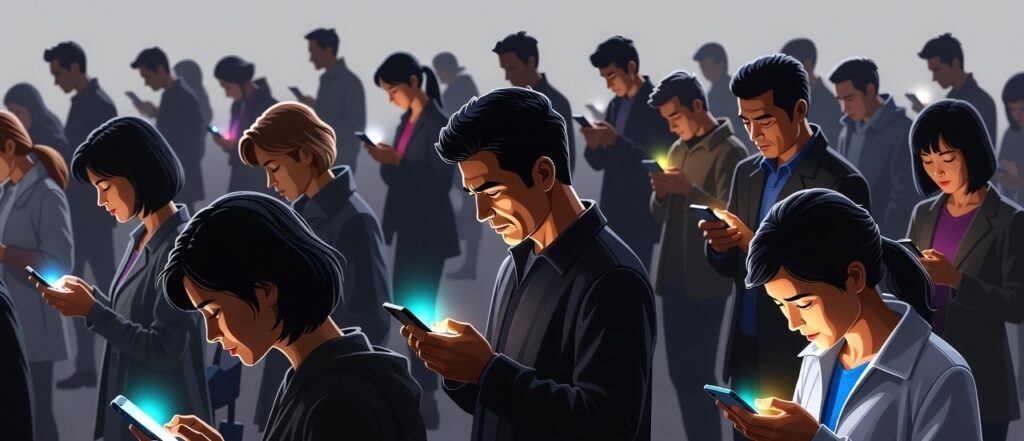
We now live on platforms designed to feed us small, cheap bursts of pleasure.
- 5-second videos
- infinite feeds
- autoplay
- constant notifications
This is the age of easy dopamine, and it’s changing how we experience life.
By chasing micro-pleasures all day, we lost the ability to feel deep, lasting satisfaction:
- Attention spans collapsed
- Patience disappeared
- Long-form experiences feel “too hard”
- Silence feels uncomfortable
- Boredom feels unbearable
Technology didn’t just speed up entertainment.
It reshaped our emotional baseline.
We don’t feel bored because the world is boring.
We feel bored because our brains got used to constant stimulation.
3. The Algorithmic Consensus: Everyone Starts to Look the Same
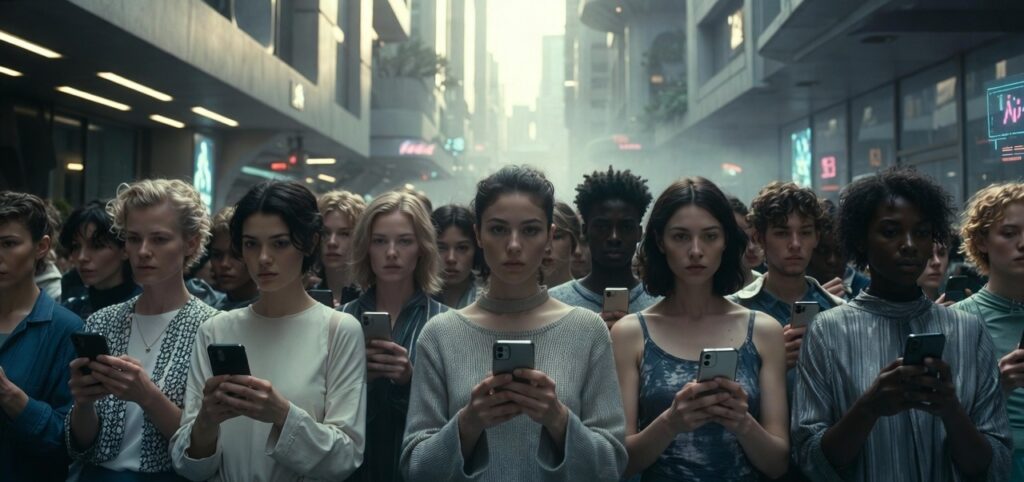
Social media didn’t just connect the world — it standardized it.
People subconsciously follow:
- the same aesthetics
- the same jokes
- the same poses
- the same lifestyle goals
- the same music trends
The internet promised individuality, but algorithms reward predictability.
Uniqueness used to be a strength.
Now the online world gently pressures everyone toward a single optimized template.
A digital “safe zone.”
The result?
A generation that looks connected but feels creatively restricted, afraid to deviate from the invisible rules of the feed.
4. A Life Without Texture: When Convenience Removes the Magic
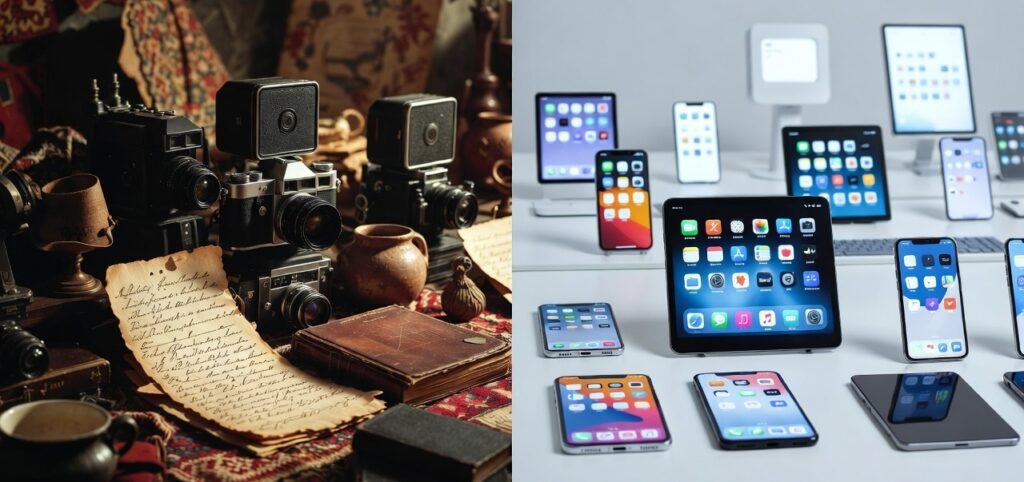
The modern world is extremely convenient — and that’s part of the problem.
We no longer experience:
- waiting for photos to develop
- writing letters
- unexpected phone calls
- getting lost in a new place
- the joy of solving problems without Google
- natural silence without background noise
Convenience removed friction.
But friction is where emotion, memory, and meaning live.
When everything becomes smooth and predictable, life loses its texture.
5. The Death of Risk — and Why Life Feels Flat Without It
Modern design prioritizes:
- safety
- predictability
- stability
- minimalism
Great values — but they come with a hidden cost.
Risk is a fundamental ingredient of excitement and creativity.
When we remove all risk, we also remove:
- surprise
- spontaneity
- adventure
- emotional intensity
A world without risk becomes a world without spark.
6. The Core Truth: The World Isn’t Boring — We’ve Been Sterilized by Technology
Here is the real diagnosis:
The world didn’t lose its magic.
We simply lost our sensitivity to it.
Our attention is fragmented.
Our emotions are diluted.
Our environment is standardized.
Our habits are automated.
Our choices are guided by invisible algorithms.
We live in a time of infinite content — but minimal depth.
Infinite convenience — but minimal meaning.
Infinite connection — but minimal authenticity.
This is the paradox of the 21st century.
How to Break Free: Practical Ideas to Bring Back Color
You don’t need to quit technology — but you can use it differently.
- Seek long-form content instead of endless microclips.
- Add analog experiences to your digital life (books, nature, physical hobbies).
- Turn off notifications for 48 hours.
- Embrace boredom — it’s a superpower for creativity.
- Choose complex pleasure over easy dopamine.
- Try something that feels slightly uncomfortable or unpredictable.
Life becomes colorful again when you deliberately choose depth over distraction.
Final Thoughts
The 21st century didn’t fail us — it simply optimized everything to the point of emotional flatness.
Technology made life convenient, but convenience made life predictable.
We have a choice.
We can continue drifting through the sterile, standardized digital routine — or we can reclaim curiosity, joy, color, risk, and the depth that makes life feel real.
The world isn’t boring.
It’s waiting for us to wake up again.