
Looksmaxxing Uncovered: The Subculture of Appearance, Psychology, and Viral Fails

Looksmaxxing has evolved from a casual trend into a subculture among men obsessed with optimizing their appearance and social perception. From disciplined grooming routines to plastic surgery, it promises confidence, status, and sometimes even admiration. But how far is too far? In this article, we break down soft vs hardmaxxing, the psychological risks, the infamous viral “cap-pulled-off” moment, and why chasing perfection can be both empowering and humbling.
1. Understanding Looksmaxxing: Soft vs Hard
Looksmaxxing isn’t just about looking good—it’s a tiered system of self-enhancement:
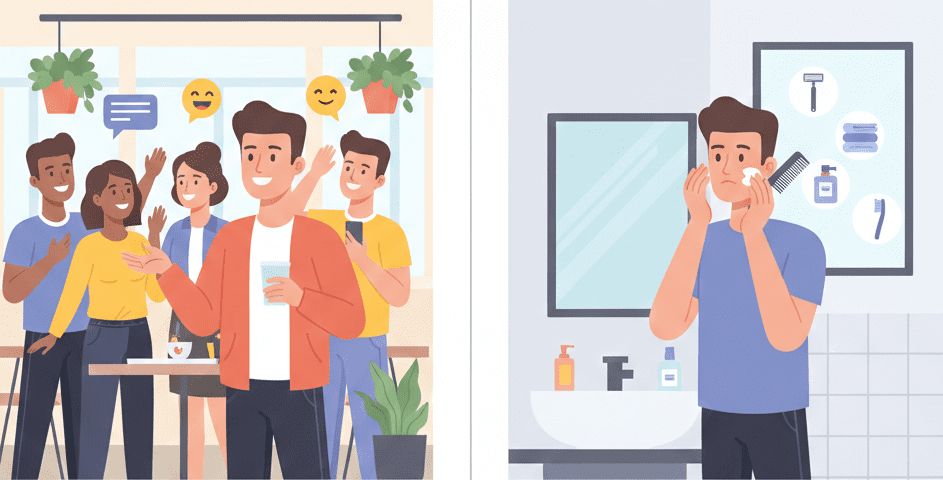
- Softmaxxing: Daily grooming, skincare, diet, eyebrow shaping, style, posture. These are incremental, low-risk improvements that anyone can implement.
- Hardmaxxing: Surgical interventions, hair transplants, extreme diets, jawline reshaping, and practices like mewing (tongue posture to influence jawline). These are high-investment strategies aiming for structural, often permanent changes.
Softmaxxing is about polishing the package, hardmaxxing is about remodeling the architecture of your face and body. Modern looksmax culture treats these as complementary paths, but the psychological stakes rise sharply with hardmaxxing.

Beyond the Office Walls: Why Piratecore Is the Ultimate Burnout Cure
The Digital Hallucination: How Social Media Algorithms Decide What You Believe Is Normal in 2026
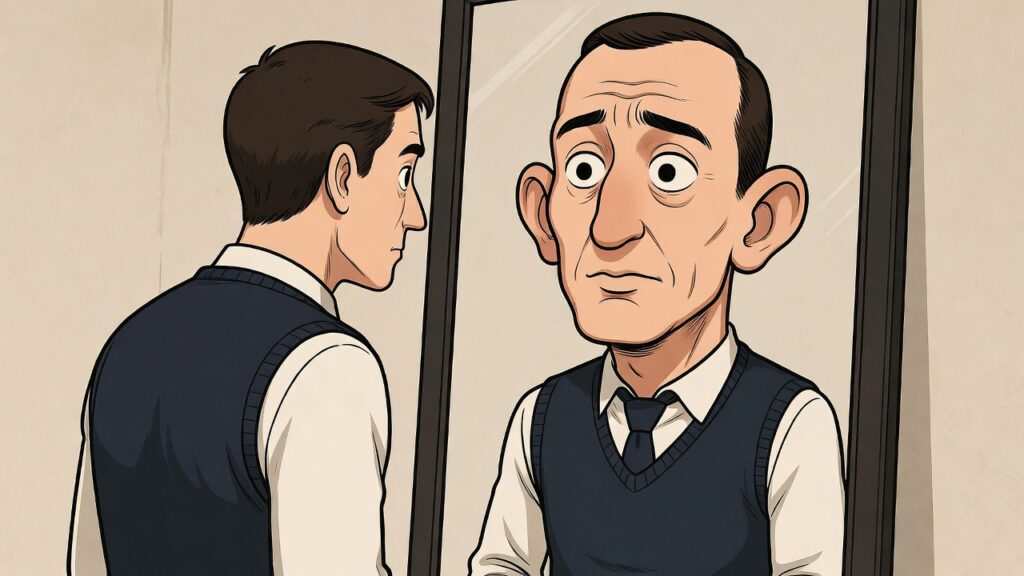
2. The Psychology Behind Looksmaxxing
- Insecurity & Compensation: Many men turn to looksmaxxing to cover low self-esteem or social anxiety.
- Dysmorphia Risks: Even objectively attractive men may obsess over minor flaws, a phenomenon linked to body dysmorphic disorder (BDD).
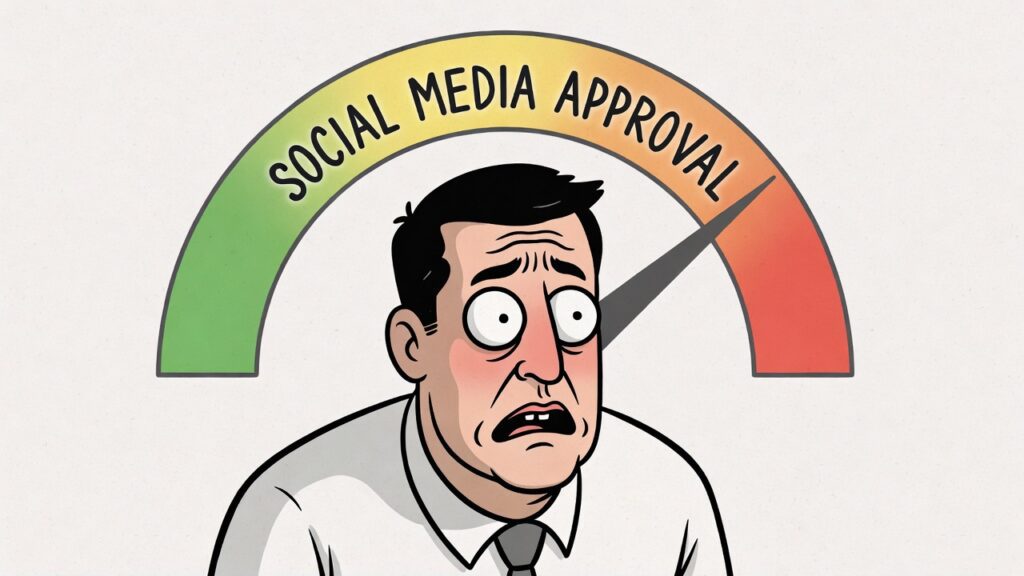
- Social Media Amplification: Platforms like TikTok and Instagram intensify comparison, making “perfection” a social expectation.
Here, the line between self-improvement and obsession is thin. A well-groomed man may gain social confidence, but a hardmaxxer chasing ideal proportions can spiral into anxiety and self-criticism.
3. The Pros of Looksmaxxing (Deeper Analysis)
- Confidence Boost: Structured grooming, fitness, and style routines translate into genuine self-assurance.
- Discipline Transfer: Maintaining appearance often fosters discipline in work, nutrition, and daily habits.
- Social Leverage: Physical attractiveness remains a measurable social currency—first impressions are rarely neutral.
- Health & Fitness Benefits: Softmaxxing naturally encourages exercise, nutrition, and mental well-being.
4. The Cons and Hidden Costs
- Overreliance on Looks: Social and personal value tied solely to appearance is fragile.
- High-Risk Interventions: Hardmaxxing involves surgery, fillers, and hair systems with real costs and recovery periods.
- Memetic Humiliation: Viral videos like the “cap-pulled-off” moment illustrate the fragility of curated appearance.
- Psychological Strain: Chronic self-scrutiny can lead to anxiety, dysmorphia, or compulsive behaviors.
5. The Viral “Cap-Pulled-Off” Moment
One infamous episode perfectly illustrates the risk-reward tension of looksmaxxing:
- During a public appearance, a well-known looksmax influencer had his cap forcefully removed, revealing a hair system or wig underneath.
- Before: Meticulous styling, polished image, maximum social confidence.
- After: Audience laughter, viral memes, debates on “genetic vs artificial” enhancements.
The irony is sharp: in a culture preaching natural genetic superiority, exposure of cosmetic artifice is brutally comedic. This moment highlights the delicate balance between appearance optimization and overreliance on facades.

6. Modern Techniques: Mewing, Hunter Eyes, and Subtle Enhancements
- Mewing: Correct tongue posture and jaw exercises intended to subtly alter facial structure.
- Hunter Eyes: The concept of deep-set, slightly angled eyes considered attractive in modern aesthetics.
- Cosmetic subtleties: Non-invasive fillers, teeth alignment, and grooming tweaks.
These methods exemplify the fine line between enhancement and obsession, often pursued obsessively by digital-native men.
7. How to Looksmax Smartly
- Prioritize softmaxxing first: hygiene, style, fitness.
- If pursuing hardmaxxing, research and set realistic expectations.
- Combine with internal confidence-building: social skills, personal goals, mental resilience.
- Maintain humor: viral fails like the cap incident remind us not to take ourselves too seriously.
Final Thoughts
Looksmaxxing is a complex subculture blending psychology, social signaling, and self-optimization. While it can boost confidence and open doors, overreliance on artificial enhancements carries emotional, social, and physical risks. The “cap-pulled-off” moment is a humorous reminder: perfection is fragile, and authenticity matters. True mastery of the subculture lies in balancing improvement with self-awareness and humor.