
Why Nostalgic Content Still Dominates Every Platform in 2026

Scroll through any major platform in early 2026 and a pattern becomes impossible to ignore.
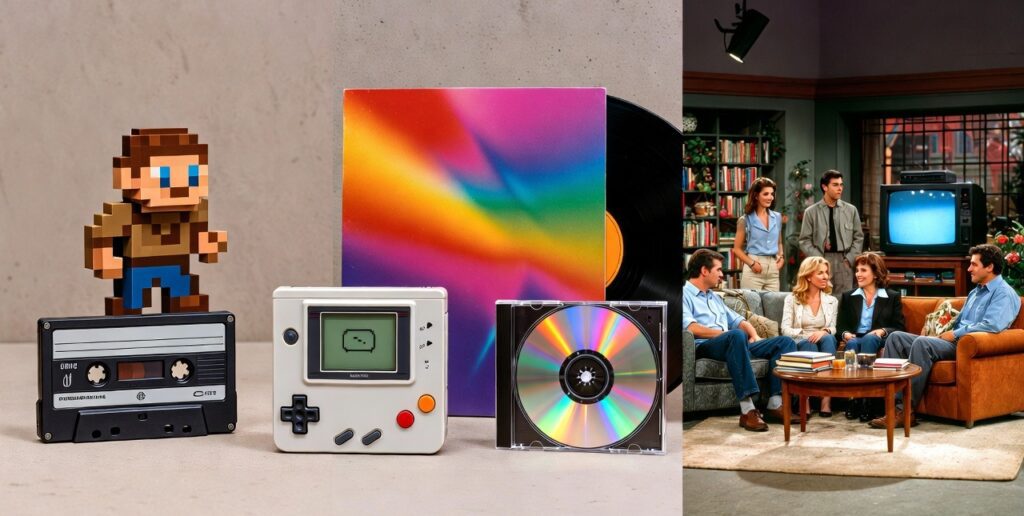
Old game footage.
Songs you forgot you knew every word to.
Clips from TV shows that ended years ago.
“POV: it’s 2009 and everything feels lighter.”
This isn’t coincidence. It’s not laziness. And it’s definitely not just algorithms being lazy.
By 2026, nostalgia has become the default emotional language of the internet. It’s not just popular — it’s normalized. From short-form video to marketing campaigns, from gaming communities to music trends, the past consistently outperforms the present.
But the reason isn’t simply that people “miss the old days.”
Something deeper is happening — something tied to how we live, how we scroll, and how emotionally overloaded modern life has quietly become.
This article isn’t about trends.
It’s about why nostalgia feels safer than the present, and why platforms quietly encourage that feeling.
Familiarity Wins Before Logic Has Time to React
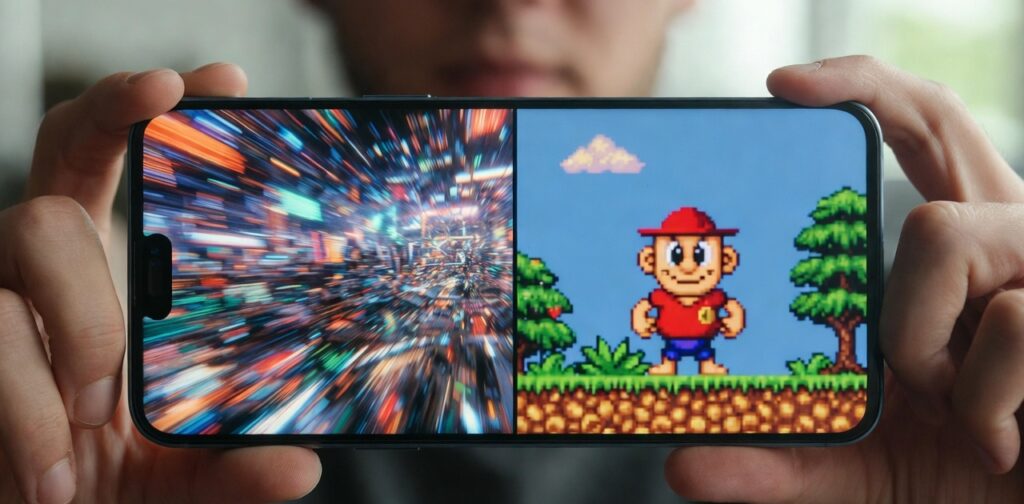
Most content in 2026 lives or dies in the first two seconds.
Not because people are stupid — but because attention is exhausted.
When someone sees a familiar game interface, a childhood cartoon frame, or a song they once played on repeat, the brain doesn’t stop to analyze. It reacts. Recognition happens instantly, without effort. There’s no need to understand context, no need to ask questions.
And platforms notice this behavior clearly.
Familiar content:
- stops the scroll faster
- holds attention longer
- triggers emotional response instead of curiosity
Algorithms don’t care what you feel.
They care that you feel something immediately.
Nostalgia doesn’t ask for trust.
It already has it.
The Digital Hallucination: How Social Media Algorithms Decide What You Believe Is Normal in 2026
“The Weekend Trap”: Why You Can’t Actually Catch Up on Sleep (And What to Do Instead)
The Present Feels Loud. The Past Feels Quiet.
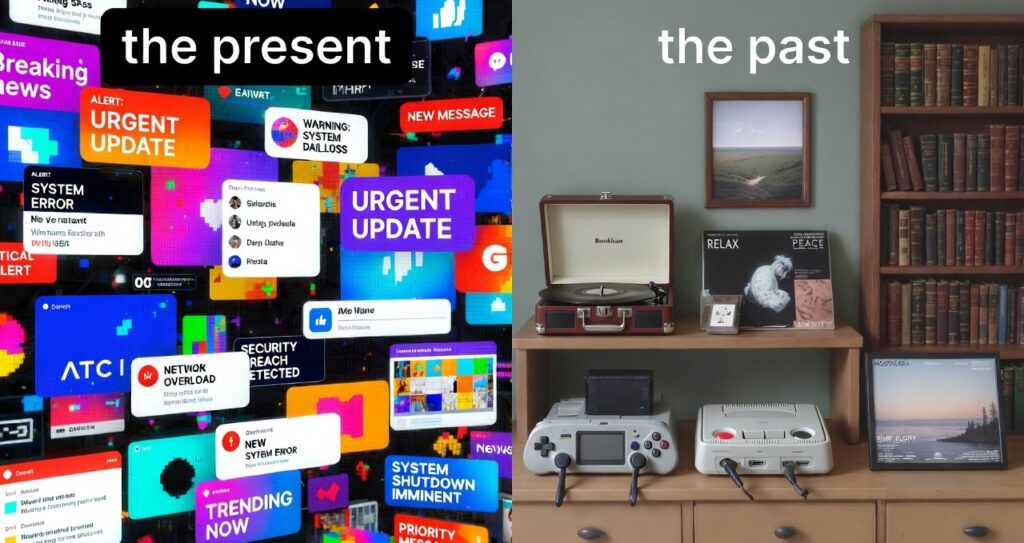
By early 2026, the present moment feels crowded in a very specific way.
Every week brings:
- new tools to learn
- new platforms to adapt to
- new crises to process
- new opinions demanding reaction
Even entertainment feels optimized, measured, monetized, accelerated.
Everything asks something from you.
The past, by contrast, feels finished.
You already know how that game ends.
You already know which character survives.
You already know how that era felt — or at least how you remember it.
That sense of completion matters more than people admit.
Nostalgia doesn’t just recall memories.
It removes uncertainty.
And in a world overloaded with uncertainty, that removal feels like relief.
Nostalgia Is Emotional Fast Food — And That’s Not an Insult
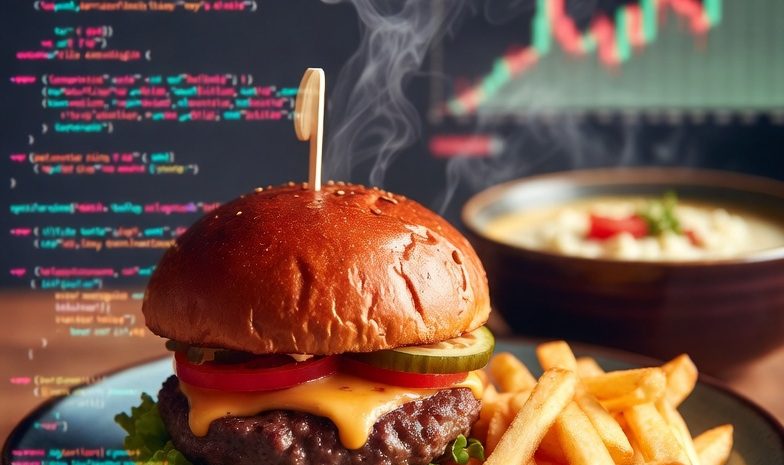
There’s a reason people return to comfort food when they’re tired.
Not because it’s the best meal — but because it’s predictable.
Nostalgic content works the same way.
It doesn’t demand:
- intellectual effort
- moral positioning
- emotional risk
You don’t need to decide whether you agree.
You don’t need to learn new rules.
You don’t need to be challenged.
For a few seconds, you just remember.
By 2026, when many people feel emotionally overworked and cognitively saturated, that simplicity isn’t shallow — it’s practical.
Platforms Didn’t Invent Nostalgia — They Learned to Amplify It
Social platforms didn’t create the nostalgia wave.
They observed it — and optimized around it.
Short-form video, in particular, thrives on emotional shortcuts:
- a familiar soundtrack
- a visual style tied to a specific era
- a shared cultural memory
These shortcuts compress meaning into seconds.
Original ideas often need:
- setup
- explanation
- patience
Nostalgia needs none of that.
So while platforms publicly celebrate “creativity,” their systems naturally push content that requires the least cognitive friction.
And nostalgia is frictionless.
The Past Has a Built-In Fanbase
New ideas are fragile.
They can be misunderstood.
They can be rejected.
They can fail before finding the right audience.
Nostalgic ideas arrive with something priceless: pre-existing emotional investment.
When someone references:
- a console generation
- a childhood show
- a cultural moment
They aren’t starting from zero.
They’re activating something that already lives in the audience.
That makes nostalgia incredibly efficient — not just emotionally, but economically.
Nostalgia Is a Safe Place to Build Identity
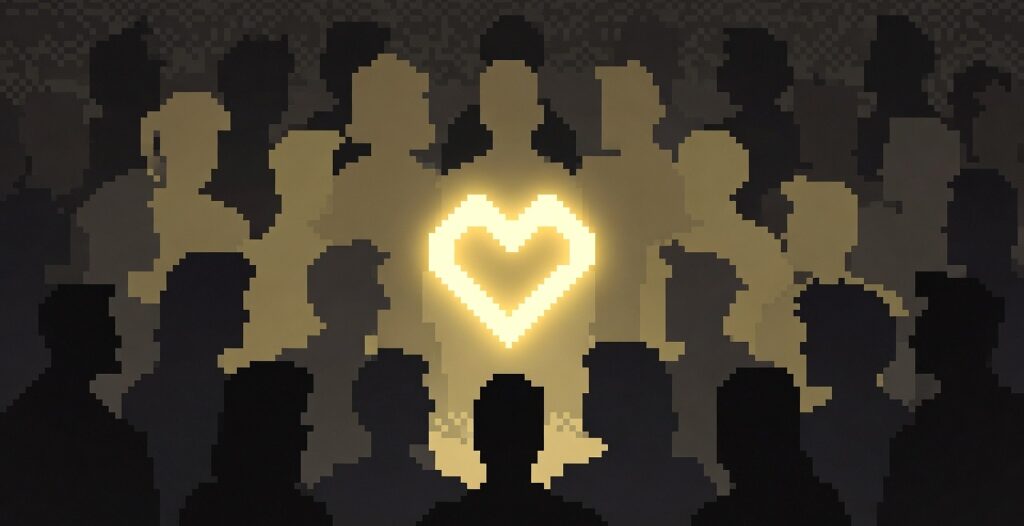
By 2026, identity is constantly on display.
What you like, repost, quote, and reference becomes part of how others read you.
Nostalgia offers ready-made identity markers:
- “I grew up on this.”
- “This shaped me.”
- “This was my era.”
These statements don’t invite argument.
They invite recognition.
They signal belonging without confrontation.
In a polarized, fast-reacting internet, that safety matters more than originality.
Why New Ideas Feel Like They Disappear Faster
Many people say, “Nothing new sticks anymore.”
That’s not entirely true.
New ideas still exist — but they face a harsher environment.
They don’t just compete with other new ideas.
They compete with decades of emotionally tested content.
When attention is scarce, people choose what feels reliable.
And reliability, in cultural terms, often means familiarity.
This doesn’t mean creativity is dying.
It means it has to fight harder for patience.
Nostalgia Isn’t About Accuracy — It’s About Emotion
Here’s something important: nostalgia isn’t memory. It’s interpretation.
People don’t remember the past as it was.
They remember how it felt — or how they wish it felt.
The bugs are gone.
The boredom is gone.
The frustration is gone.
What remains is a curated emotional highlight reel.
Platforms don’t correct that.
They benefit from it.
Brands Understand This Better Than They Admit
By 2026, many brands still talk about innovation while quietly leaning on retro design, old franchises, and familiar formats.
Why?
Because nostalgia:
- reduces backlash
- increases trust
- lowers emotional resistance
A reboot feels safer than a new idea.
A remake feels more “respectful.”
A reference feels earned.
This isn’t creative bankruptcy.
It’s risk management.
The Comfort Loop Problem
There is a downside.
When people stay too long in nostalgic spaces, something subtle happens.
The present starts to feel worse by comparison.
The future starts to feel empty.
New ideas feel weaker than they actually are.
This isn’t because the past was better — but because it’s filtered.
That’s when nostalgia stops being a pause and starts becoming a loop.
Why 2026 Feels Like the Stabilization Point
Nostalgia didn’t peak and disappear.
It stabilized.
By 2026, several forces collide:
- rapid AI-driven content production
- shorter attention spans
- economic pressure
- creative oversaturation
When everything is available, meaning becomes the scarce resource.
Nostalgia offers meaning instantly — without explanation.
That’s why it still dominates now.
Not forever.
But very powerfully right now.
What Comes After Nostalgia?
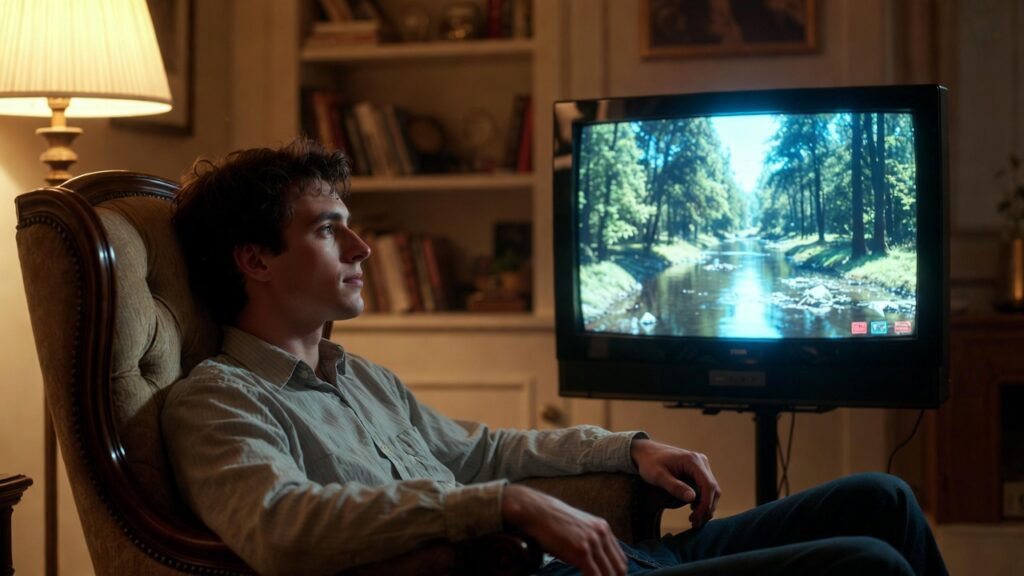
Eventually, comfort stops being enough.
People don’t stay in safe spaces forever.
They visit them when they’re tired.
New cultural waves usually emerge after periods of emotional retreat.
Nostalgia doesn’t kill the future.
It delays it — until something feels worth moving toward.
Final Thoughts
Nostalgic content still dominates every platform in 2026 not because creativity is dead — but because people are overwhelmed.
The past feels stable.
The present feels demanding.
The future feels uncertain.
Nostalgia offers a pause.
Not an escape.
Not a regression.
Just a moment where nothing needs to be proven.
And until the world feels quieter, slower, or more trustworthy, that pause will keep winning the algorithm — and the audience.