
Why Winter Makes You More Emotional

Winter is often associated with cold weather, cozy blankets, and holiday cheer. Yet, for many people, it’s also a time when emotions run higher, moods fluctuate, and sensitivity seems amplified. But why does winter have such a profound effect on our emotional state? From biological changes to social and cultural factors, this season has a unique way of influencing our minds. Understanding these influences can help us navigate the winter months with greater awareness and emotional balance.
The Science Behind Winter Blues

One of the most commonly discussed reasons people feel more emotional in winter is biological. Shorter days and reduced sunlight have a direct impact on brain chemistry. Exposure to sunlight stimulates the production of serotonin, a neurotransmitter that regulates mood. Less sunlight can lower serotonin levels, leading to feelings of sadness, irritability, or even lethargy.
Additionally, melatonin, the hormone that controls sleep-wake cycles, is affected by daylight. Longer nights increase melatonin production, making some people feel sleepier or less energetic during winter. These chemical and hormonal shifts explain why many experience mood fluctuations, fatigue, or increased sensitivity during the colder months.
For some, the effects can be severe enough to classify as Seasonal Affective Disorder (SAD), a type of depression linked specifically to seasonal changes. Symptoms include persistent sadness, loss of interest in activities, changes in appetite, and difficulty concentrating. While not everyone experiences SAD, mild forms of winter mood shifts are very common worldwide.
How Cold Weather Triggers Reflection and Introspection
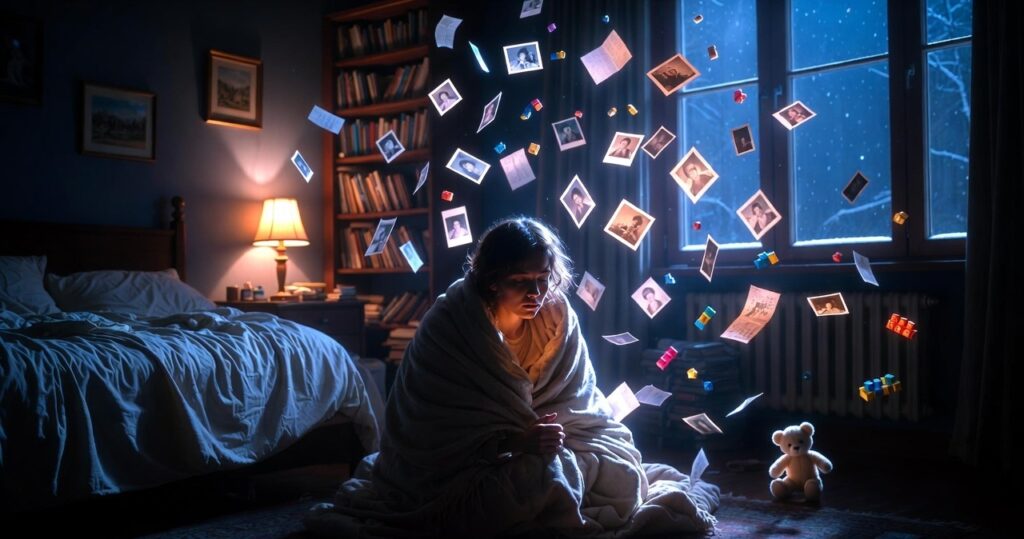
Winter is naturally a slower season. Colder weather and early sunsets encourage people to spend more time indoors, which increases opportunities for introspection. When we are physically isolated from the outside world, our minds often turn inward. This introspective mode can heighten emotional awareness, making even small events feel more intense.
Interestingly, studies have shown that people often engage in more reflective thinking during winter months. This can manifest as nostalgia, daydreaming, or heightened empathy. The quiet, dim environment encourages us to connect with our own thoughts and emotions, which can amplify both positive and negative feelings.
In essence, winter doesn’t just change the environment around us — it changes how we relate to ourselves.
Best Supplements for Focus in 2026: What Science Actually Supports
The Digital Hallucination: How Social Media Algorithms Decide What You Believe Is Normal in 2026
Cultural and Social Influences on Winter Emotions
Biology isn’t the only factor at play. Social and cultural aspects of winter heavily influence our emotional state. The end of the year brings holidays, family gatherings, and social obligations that can either uplift or stress us. For some, this time is joyous; for others, it can be overwhelming or lonely, especially if they’re far from family or dealing with loss.
Modern culture also reinforces winter-related emotional triggers. Social media is full of festive imagery, cozy aesthetics, and nostalgic posts that encourage reflection on past memories. Movies, music, and seasonal traditions often highlight themes of love, family, and gratitude — all of which can evoke strong emotional responses.
Even small, everyday elements like winter fashion, lighting, and scents can subtly influence mood. Warm drinks, candles, or the smell of pine and cinnamon create sensory cues that evoke memories or trigger emotional responses.
Why We Cry, Laugh, or Feel Nostalgic More Often

Have you noticed that winter often brings tears during movies, sudden bursts of laughter, or a deep sense of nostalgia? This isn’t just coincidence. The combination of biological changes, sensory inputs, and social context creates a perfect storm for emotional intensity.
Cold weather can activate the body’s stress response, increasing cortisol levels. At the same time, cozy environments and holiday traditions can create emotional contrasts that heighten our sensitivity. This is why people often report stronger emotional reactions to music, movies, or personal reflections during winter months.
Nostalgia is particularly common. Seasonal cues like snow, holiday decorations, or familiar scents can transport the mind to past experiences, evoking both happiness and melancholy. These emotional experiences are not necessarily negative — they reflect a deeper connection to our memories, relationships, and environment.
Tips to Stay Balanced and Emotionally Healthy in Winter
Understanding why winter affects your emotions is one thing, but managing them is another. There are several evidence-based strategies to maintain emotional balance and even take advantage of winter’s reflective nature:
- Maximize Light Exposure
- Spend time outside during daylight hours. Even short walks can boost serotonin.
- Consider using light therapy lamps, especially if you experience SAD symptoms.
- Stay Physically Active
- Exercise releases endorphins, which improve mood and energy levels.
- Indoor workouts like yoga or dance can be effective during extreme cold.
- Maintain Social Connections
- Reach out to friends or family through calls, video chats, or small gatherings.
- Social interaction counteracts feelings of isolation that winter may intensify.
- Practice Mindfulness and Reflection
- Meditation, journaling, or creative outlets help process emotions constructively.
- Use winter as a time to set intentions or reflect on personal growth.
- Create a Cozy and Positive Environment
- Adjust indoor lighting, add warm colors, or incorporate comforting scents.
- Surround yourself with elements that uplift your mood rather than amplify stress.
- Maintain a Routine
- Regular sleep, meals, and work schedules support circadian rhythm stability.
- Structured routines reduce the emotional fluctuations caused by shorter days.
By consciously addressing both biological and social influences, you can transform winter from a challenging season into a time of emotional growth, creativity, and meaningful reflection.
The Positive Side of Winter Emotions
While winter can bring emotional challenges, it also has unique advantages. Heightened sensitivity often translates to increased empathy, deeper connections with others, and enhanced creativity. Many writers, artists, and thinkers report that introspection during winter fuels their best work.
Winter encourages slowing down, appreciating quiet moments, and reflecting on what truly matters. By understanding the patterns behind your emotional changes, you can embrace the season rather than resist it, turning potential blues into mindful awareness and emotional richness.
Final Thoughts
Winter is far more than just a season — it’s an emotional landscape. From biological shifts in serotonin and melatonin to cultural traditions and social cues, winter affects how we feel, think, and relate to others. While some may experience sadness or irritability, others find increased empathy, nostalgia, and creativity.
By recognizing the triggers and taking proactive steps — like increasing light exposure, exercising, staying socially connected, and cultivating mindfulness — you can navigate winter with resilience and even joy. Understanding why winter makes you more emotional allows you to embrace the season fully, turning the cold months into an opportunity for growth, reflection, and meaningful experiences.