
Young Sherlock: Why the Classic Holmes Is Slowly Dying on Screen

Baker Street Has Become a Free-for-All
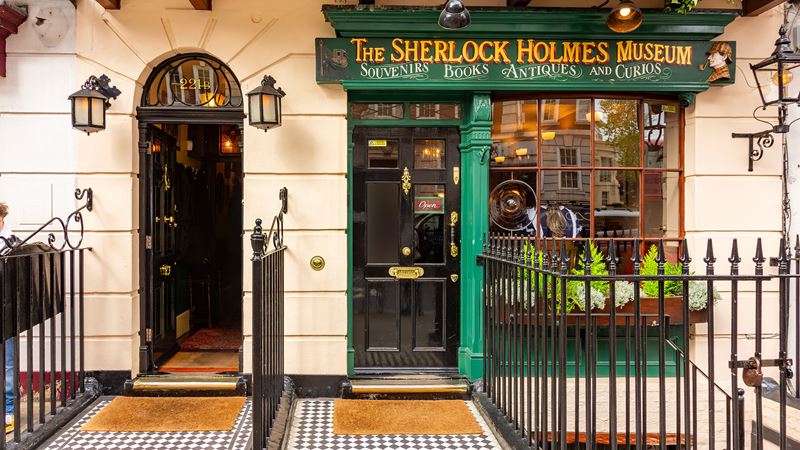
Baker Street, once the sacred home of deduction and intellect, now feels more like a crowded convention center. Every few years, a new Sherlock series appears, each promising a fresh take—but often at the expense of the original genius. With the release of Young Sherlock, the question arises: are we really honoring Conan Doyle, or just exploiting a famous name?
Fans of classic Holmes, from Basil Rathbone to Jeremy Brett, might find themselves grimacing as these modern adaptations trade sharp deductive reasoning for teen angst, action sequences, and flashy visuals. Sherlock isn’t a detective anymore; he’s a brand.
Shell Without Substance: What Remains of Classic Holmes?
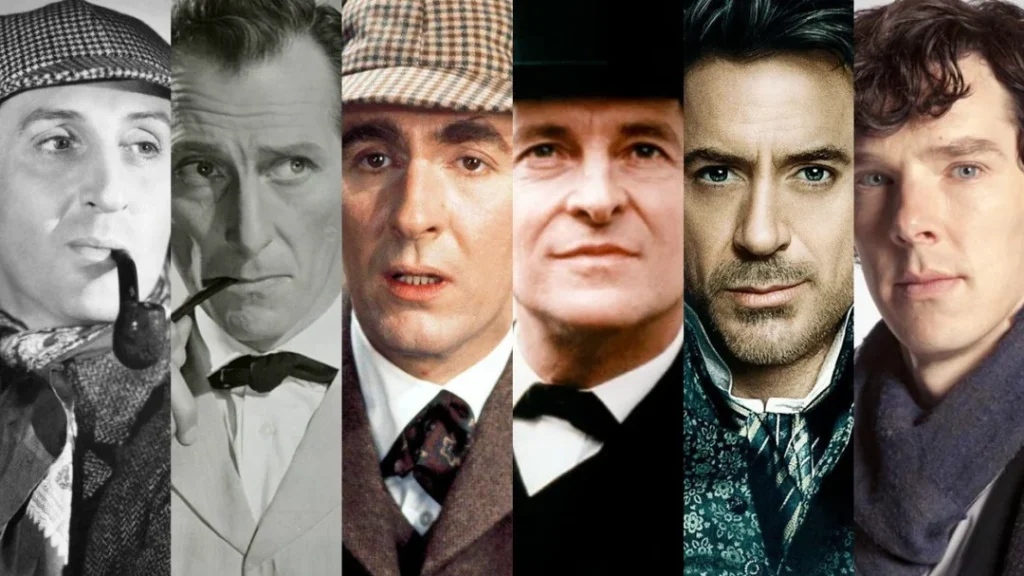
Take modern shows like Elementary or Benedict Cumberbatch’s Sherlock. Remove the name “Sherlock,” and what’s left? A competent procedural with quirky characters. The method of deduction, the slow-burning intellectual thrill, the cerebral satisfaction of watching a mystery unravel—these are often replaced with CGI mind-palaces, explosions, and exaggerated quirks.
Classic Holmes was human, brilliant, and meticulous. Modern adaptations often reduce him to a hyper-intelligent action hero, trading subtle genius for spectacle. By stripping the core of what made Holmes extraordinary, creators rely solely on name recognition to draw viewers.
Sherlock the Hipster, Sherlock the Teen: Why Modern Producers Don’t Need the Classic Gentleman

Young Sherlock promises a peek into Holmes’ early years—but does it really need to carry the name of the world’s greatest detective? Teen drama, family trauma, and first love stories dominate the narrative. The clever, calculating gentleman from Victorian London has been repurposed to appeal to a younger, flashier audience.
Producers know that fans of old-school Holmes will watch anything with the name on it, even if it barely resembles the original. The genius detective is now secondary to character angst and marketing hooks. The original Holmes, methodical and composed, has become a distant memory.
10 Cult Movies of the 80s: The Era That Changed Cinema Forever
Best Films of 2025 That You Probably Missed
Exploiting the Name: When Public Domain Becomes a Curse
Holmes is public domain, and anyone can use him—but more adaptations don’t mean better storytelling. From female Sherlocks to animals, supernatural Holmes, and action-packed thrillers, the character appears everywhere. Instead of preserving his brilliance, modern media floods the market with diluted versions.
This oversaturation creates a “Marvel effect”: the more Sherlock appears, the less special he becomes. Each adaptation strips away another layer of mystery, leaving audiences wondering if the genius ever existed—or if it was just a convenient marketing tool.
Final Thoughts
Perhaps it’s time to stop reinventing Sherlock Holmes every few years. Fans of classic adaptations deserve stories that respect the character’s intellect and methodical charm. Modern producers might prefer flash and drama, but the essence of Holmes—deduction, observation, and cool intellect—is increasingly sacrificed for ratings.
Instead of endlessly rehashing a 19th-century detective, maybe the world needs new original heroes who can capture the imagination without trampling on a legend. Sherlock deserves better than being a pawn in modern TV trends.