
Why Soup Always Comes Back in Winter

Every winter, the same thing happens.
No matter where people live or what they usually eat, soup quietly returns to the table. Not as a trend. Not as a diet. Just as something that feels right when the weather turns cold.
Soup doesn’t promise excitement. It doesn’t try to impress.
It simply solves problems winter creates: cold, low energy, and the need for food that feels steady rather than demanding.
That’s why, year after year, these soups come back.
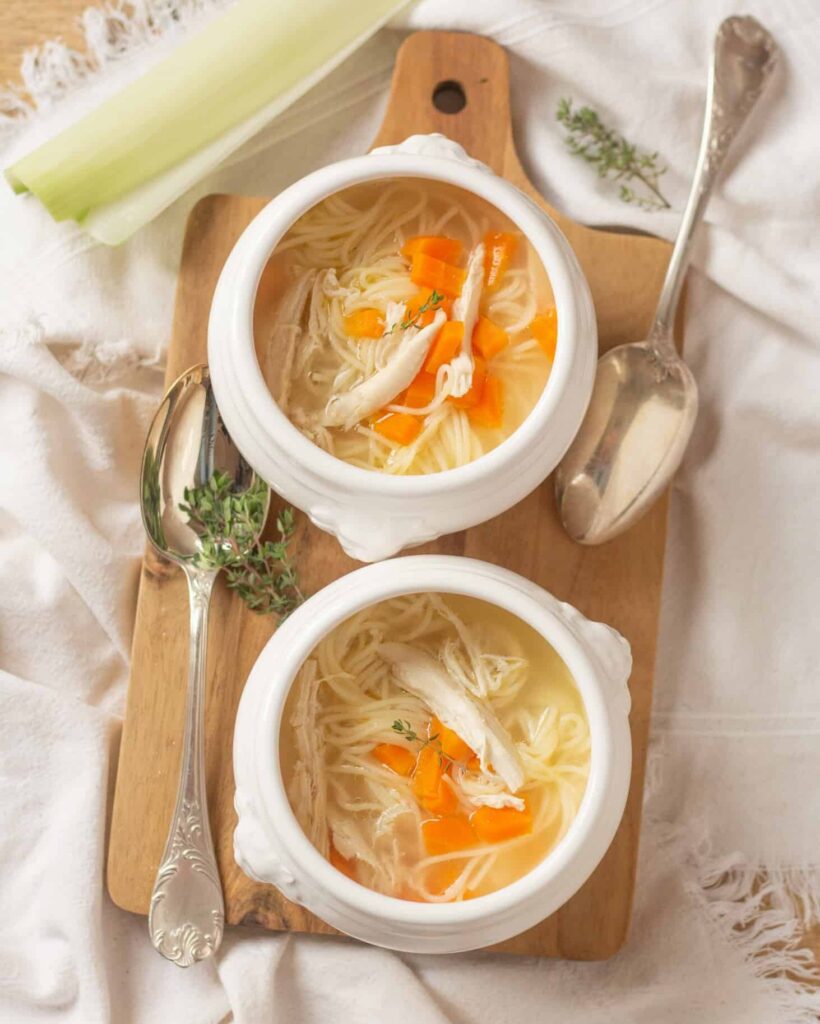
Chicken Soup
Chicken soup is usually built on a simple broth with pieces of chicken, vegetables, and salt. Nothing complicated, nothing fancy.
People return to chicken soup in winter because it feels safe. It’s warm, easy to digest, and deeply familiar. When energy is low or the body feels run down, chicken soup feels like care rather than just food.
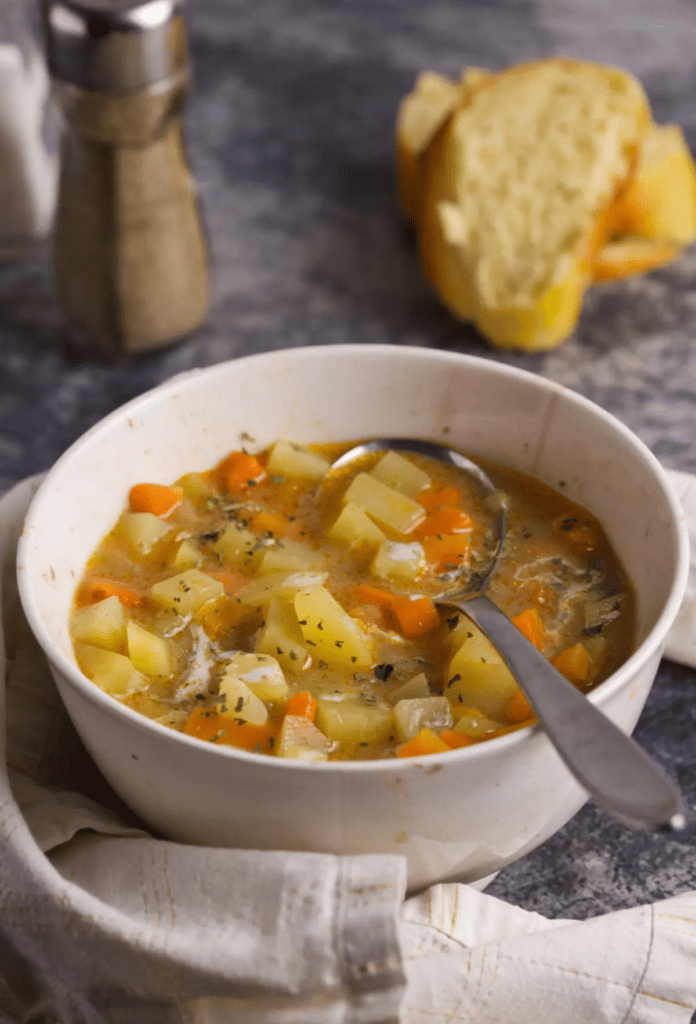
Potato Soup
Potato soup is made from a handful of basic ingredients: potatoes, water or broth, and something to add depth like onions or butter.
It comes back every winter because it fills the stomach without feeling heavy. Potatoes are grounding, predictable, and comforting. In cold months, people often choose foods that don’t surprise them — and potato soup does exactly that.
“The Viral Kitchen”: How a 15-Second TikTok Video Changes What You Eat for Dinner in 2026
Top 10 Desserts You Must Try Before You Die

Lentil Soup
Lentil soup is thick, simple, and built to last. Lentils, water or broth, and a few vegetables are usually enough.
In winter, people gravitate toward lentil soup because it keeps them full for hours. It’s the kind of meal that slows the day down and removes the need to think about food again too soon.
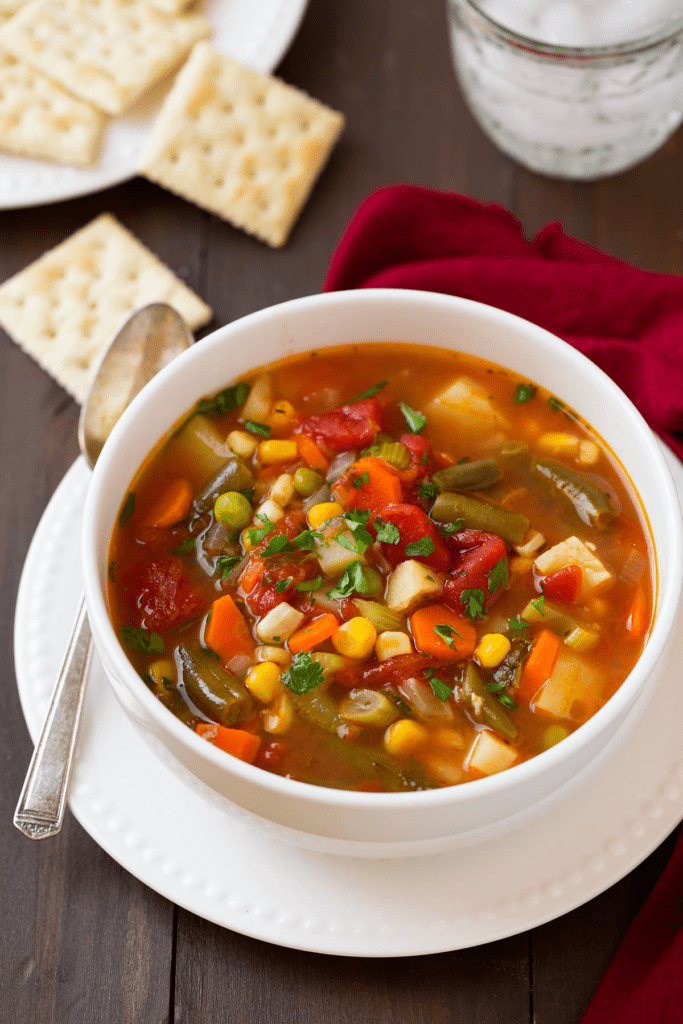
Vegetable Soup
Vegetable soup is usually light, flexible, and built from whatever vegetables are available.
After heavy holiday meals, many people want something warm but not overwhelming. Vegetable soup offers that balance. It feels clean without feeling cold, making it a natural reset meal for winter.
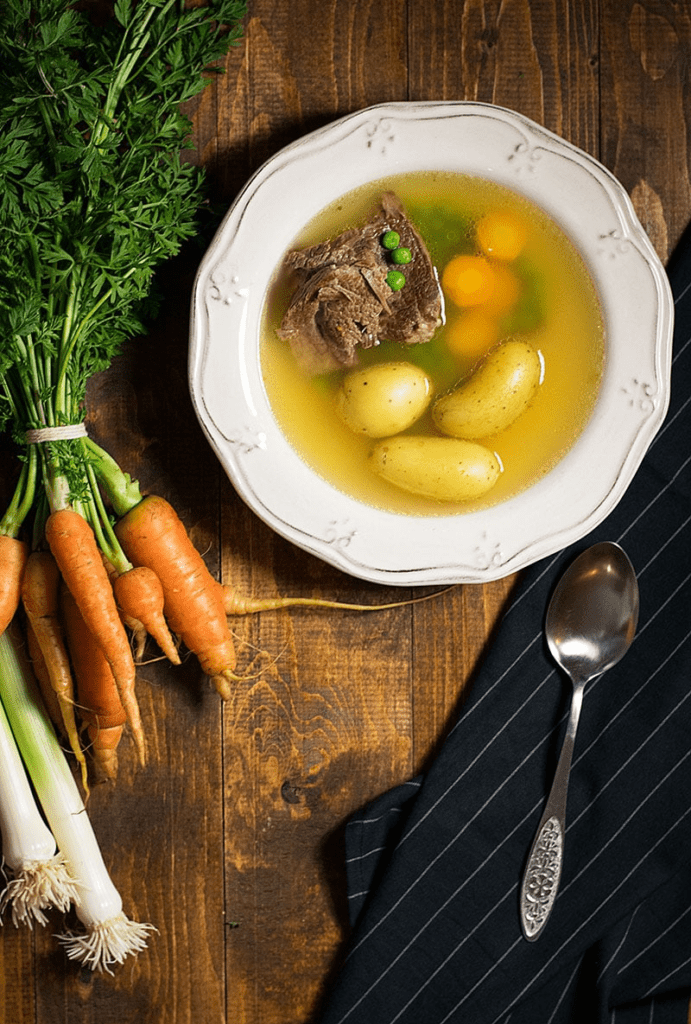
Beef or Bone Broth Soup
Bone broth and beef-based soups are often simple liquids with deep flavor rather than a lot of solid ingredients.
They return every winter because warmth matters more than texture. Even when appetite is low, a hot broth is easy to drink and comforting to hold. In cold weather, heat itself becomes part of the meal.
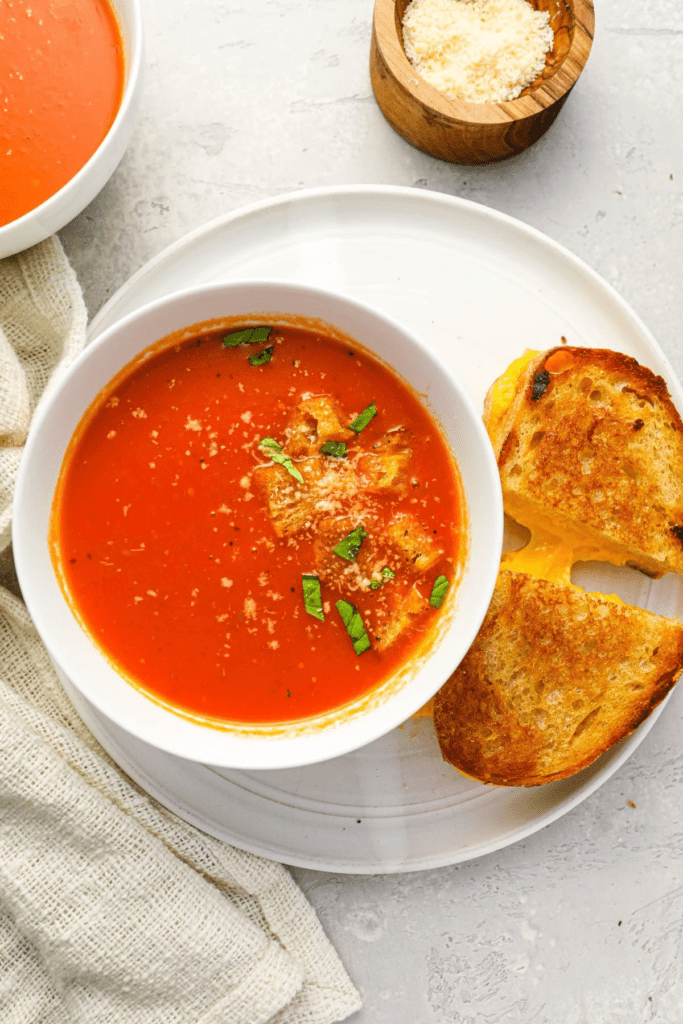
Tomato Soup
Tomato soup is usually smooth, slightly acidic, and served hot with bread or toast.
Its popularity in winter comes from contrast. The acidity cuts through the heaviness of cold-season food, while the warmth still provides comfort. Tomato soup feels familiar, but not boring.
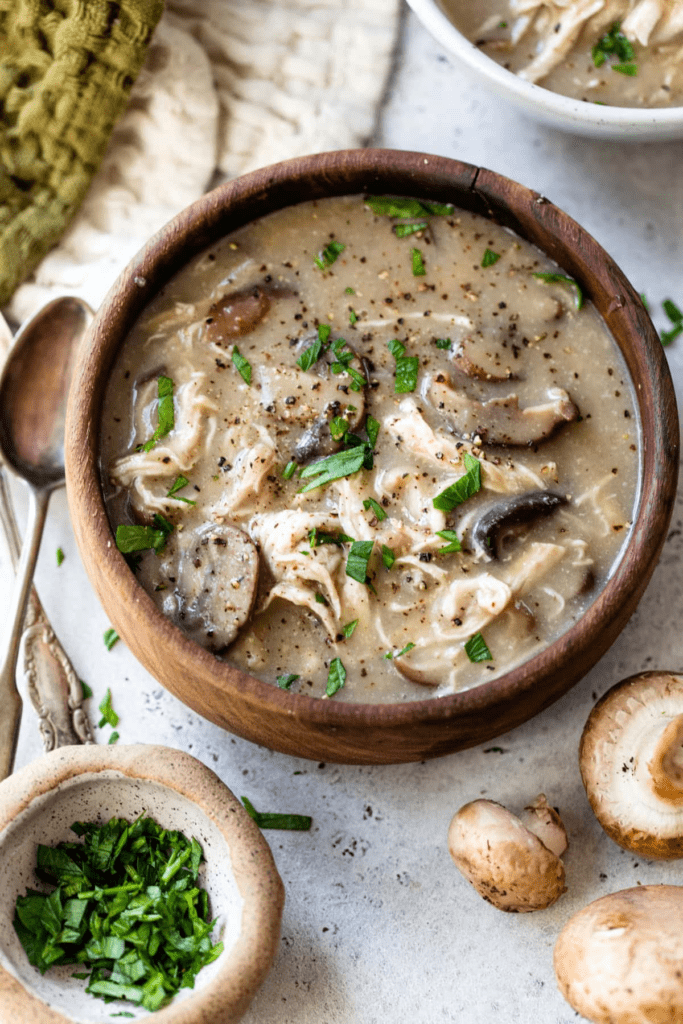
Mushroom Soup
Mushroom soup is earthy, deep, and often richer in flavor than it looks.
People return to it in winter because it feels seasonal. Mushrooms bring a grounded, almost forest-like taste that matches darker days and colder weather. It’s a quiet soup, but a satisfying one.
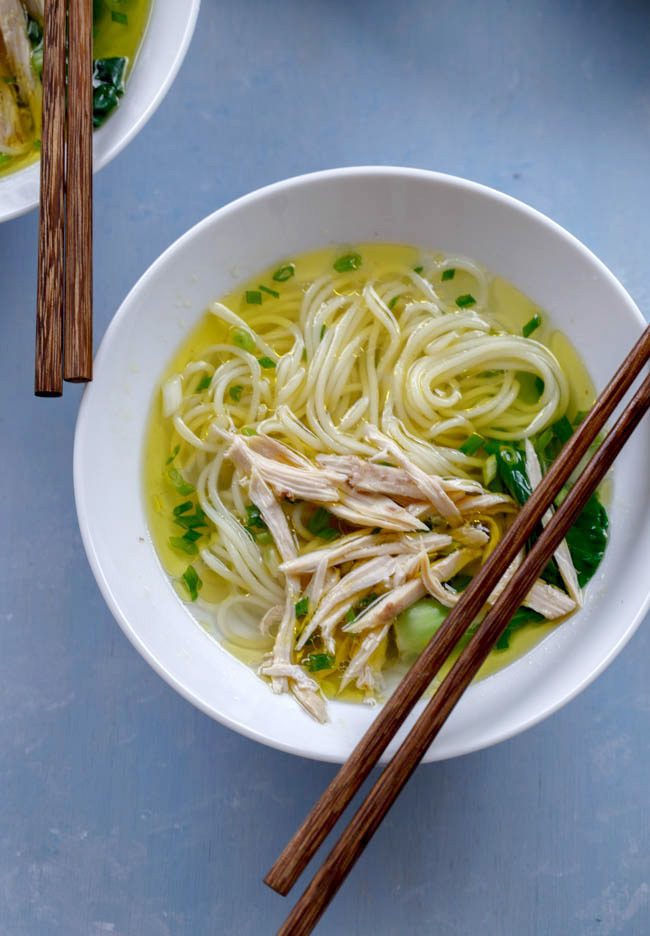
Noodle Soup
Noodle soup is built around broth and carbohydrates rather than complexity.
In winter, noodle soup works because it’s effortless to eat. It warms quickly, fills the stomach, and doesn’t require focus. When days feel long and energy runs low, noodle soup asks very little in return.

Cabbage Soup
Cabbage soup is simple, inexpensive, and traditionally associated with colder months.
It keeps coming back because cabbage is a winter vegetable and because the soup stretches easily. It’s the kind of food people cook when warmth and volume matter more than variety.

Pea Soup
Pea soup is made from dried peas, water or broth, and a few basic vegetables. It’s thick, slow-cooked, and reheats well.
People return to pea soup in winter because it’s deeply filling. It’s not flashy, but it lasts. In cold weather, meals that hold you over for hours feel especially valuable.
Final Thoughts
Soup doesn’t return every winter because of nostalgia or tradition alone.
It comes back because winter quietly changes what people need from food. Warmth matters more. Simplicity matters more. Meals that don’t demand effort feel better.
Soup answers all of that without trying to be anything else.
That’s why, when winter arrives, it always finds its way back.