
The Comfort of the End: Why We Find Peace in Post-Apocalyptic Stories

For a long time, apocalypse stories were about spectacle.
Explosions, outbreaks, countdowns, and the dramatic end of everything we knew.
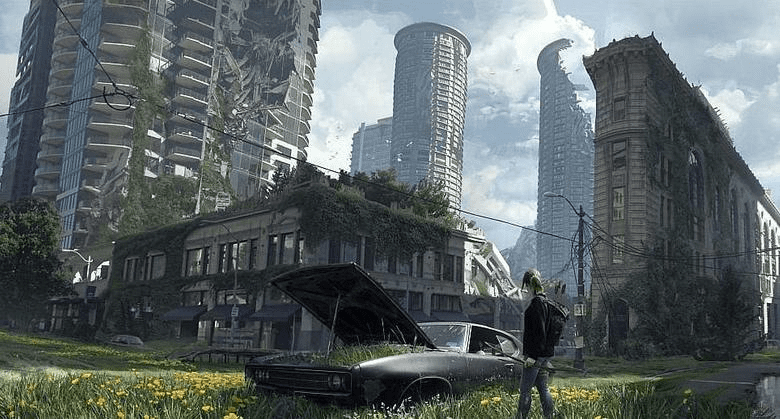
Today, that’s no longer what draws people in.
Modern post-apocalyptic stories feel quieter, slower, and strangely comforting. They focus less on how the world ends and more on how life continues afterward. And that shift explains why apocalypse content is trending again — after years of decline.
To understand this comeback, we need to look at when the genre peaked, why it burned out, and what changed in the way we experience uncertainty.
When Apocalypse Stories Ruled Pop Culture
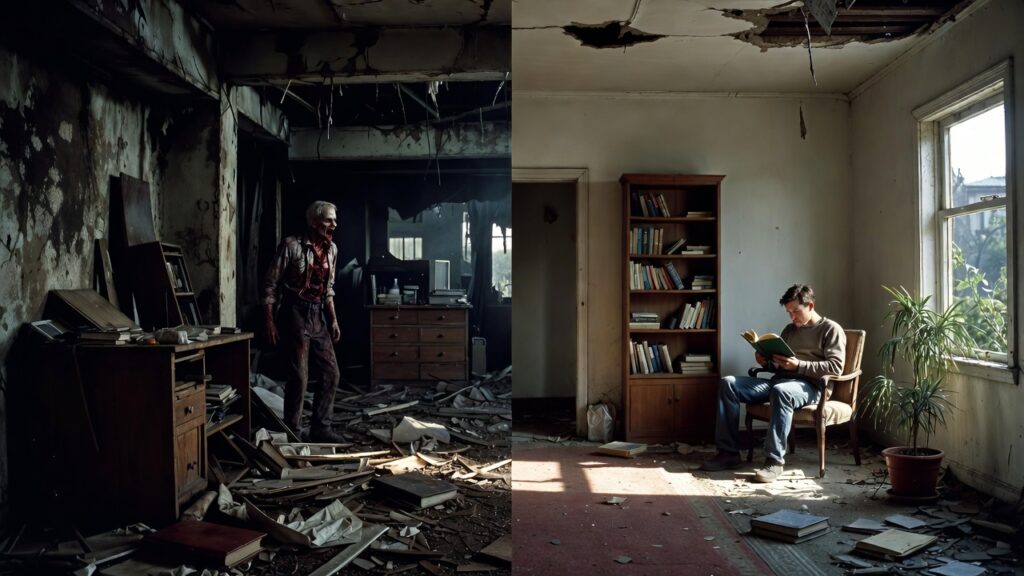
In the late 2000s and early 2010s, apocalypse content was everywhere.
Zombie shows, nuclear wastelands, survival shooters — collapse was thrilling because it felt distant. It was extreme, cinematic, and safely fictional. Audiences treated it like a roller coaster: terrifying, but controlled.
Games and shows focused on:
- sudden collapse
- visible enemies
- constant danger
Apocalypse was an event.
The Digital Hallucination: How Social Media Algorithms Decide What You Believe Is Normal in 2026
“The Weekend Trap”: Why You Can’t Actually Catch Up on Sleep (And What to Do Instead)
Why the Genre Started to Feel Exhausting
Eventually, repetition killed the excitement.
Too many stories relied on the same formula:
- shock deaths
- endless violence
- “humans are worse than monsters” without saying anything new
At the same time, real life became heavier.
Economic pressure, social instability, and global crises made fictional collapse feel less like escapism and more like emotional overload. Watching the world fall apart stopped being fun when reality already felt fragile.
People didn’t abandon apocalypse stories because they were scared —
they abandoned them because they were tired.
What Changed: Collapse Became Quiet and Familiar
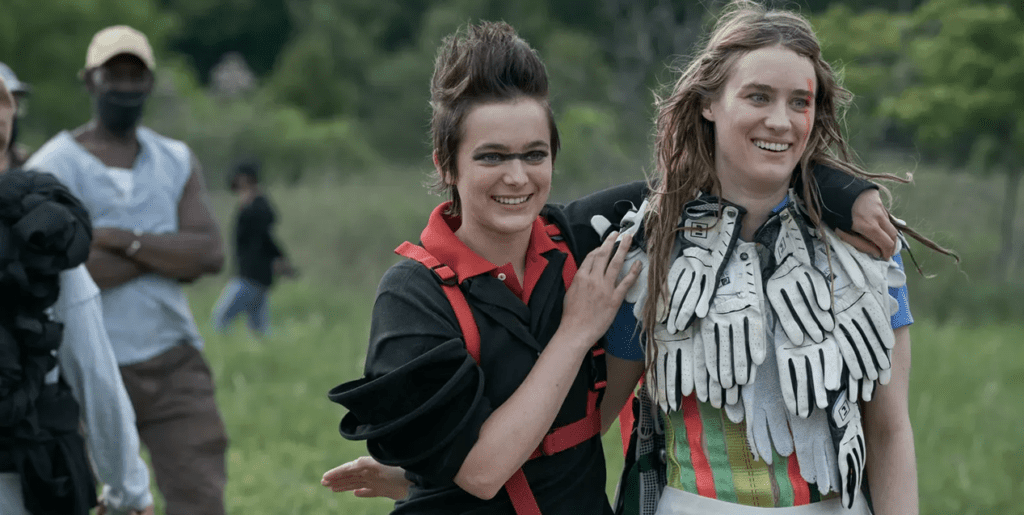
The modern resurgence of apocalypse content looks very different.
Instead of loud endings, we now get:
- slow decay
- fragmented societies
- everyday survival
Take The Last of Us.
The most powerful moments aren’t about infected hordes. They’re about routines, relationships, and moral compromises in a world that’s already broken.
Or Station Eleven, which treats the end of civilization almost gently — focusing on memory, art, and human connection rather than fear.
These stories don’t shock.
They settle in.
From “Saving the World” to “Living in What’s Left”
Older apocalypse stories asked:
“How do we stop this?”
Modern ones ask:
“How do we live now?”
That’s a crucial difference.
In Fallout, the world is absurd, cruel, and broken — but life continues anyway. People build communities, argue, trade, joke, and survive. The apocalypse isn’t the point. It’s the background.
This mirrors how many people feel today:
- progress feels uncertain
- systems feel unreliable
- expectations are lower
And yet — life goes on.
Why Apocalypse Stories Feel Comforting Now
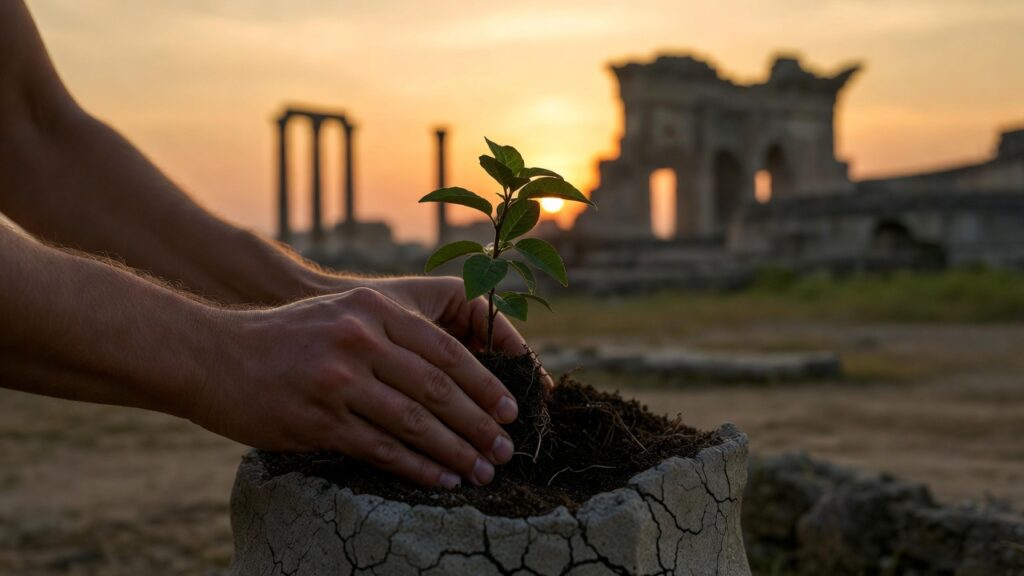
It sounds counterintuitive, but post-apocalyptic worlds offer emotional clarity.
In these stories:
- the rules are visible
- survival is tangible
- success is redefined
There’s no invisible system judging your worth.
No endless race you’re losing without knowing why.
You protect what matters. That’s enough.
For burned-out audiences, that simplicity feels almost peaceful.
Burnout, Not Fear, Is Driving the Trend
Apocalypse content isn’t popular because people want destruction.
It’s popular because people are exhausted by:
- constant optimization
- forced optimism
- endless growth narratives
Post-apocalyptic stories don’t promise a better future.
They promise continuation.
And right now, that feels honest.
Apocalypse as a New Kind of Stability
Modern stories don’t treat collapse as chaos anymore.
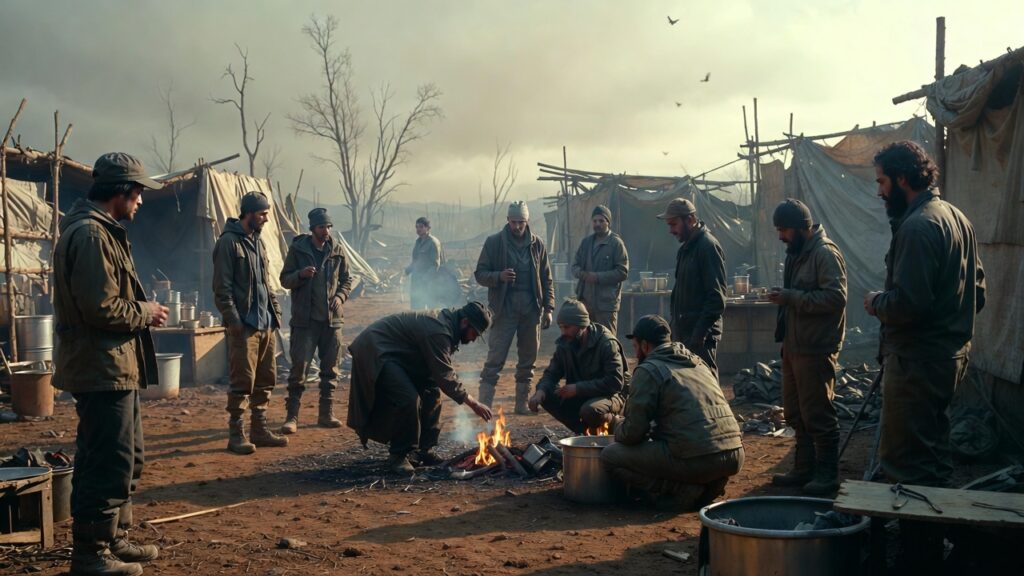
They treat it as a new normal.
People adapt.
They find routines.
They rebuild meaning on a smaller scale.
That idea is quietly reassuring:
Even if everything breaks, life doesn’t disappear.
Final Thoughts
Post-apocalyptic stories are trending again not because we’ve become darker — but because we’ve become more realistic.
These stories don’t offer hope in the traditional sense.
They offer acceptance, resilience, and emotional grounding.
In a world that feels unstable, the idea that life continues — even after everything ends — can be strangely comforting.
And maybe that’s why the end of the world feels so familiar right now.