
Open-World Games That Feel Truly Alive

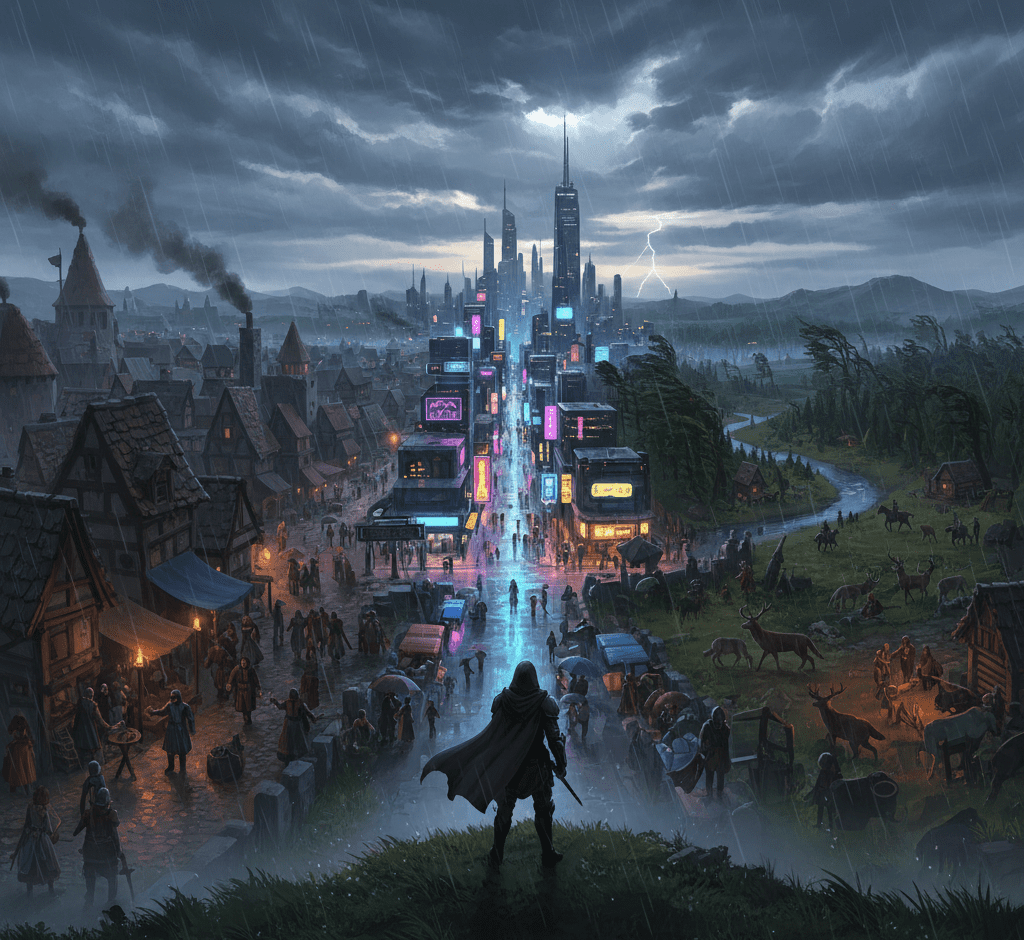
Why Some Game Worlds Feel Real — and Others Feel Empty
Open-world games promise freedom. But freedom alone doesn’t make a world feel alive.
A truly living open world is not about map size, graphics, or the number of icons on the screen. It’s about systems interacting with each other — whether you’re watching them or not. NPCs with routines. Ecosystems that don’t pause for the player. Consequences that don’t reset. Weather, economies, crowds, hunger, fear, memory.
In the best games, the world doesn’t revolve around you.
You exist inside it.
Below are 10 open-world games that genuinely feel alive, not because of hype, but because of how their worlds behave when you stop paying attention.
What Makes an Open World Feel Truly Alive?
Before diving into the list, let’s define the core elements that separate a living world from a decorative one:
- NPC Routines — characters have schedules, jobs, and habits
- Ecosystems — animals, factions, or systems interact naturally
- Reactivity — the world remembers what you did
- Consequences — actions permanently affect locations or people
- Crowds & Density — believable human movement and behavior
- Dynamic Weather — affects visuals, NPCs, and gameplay
- Economy — supply, demand, scarcity, and trade
- A World Without Pauses — things happen even when you’re not there
The games below excel at multiple of these at once.
“The $50 Rebellion”: What to Play While Waiting for Fable 2026 (And Why Gothic Remake is Killing the $70 Trend)
Top 10 Asian Games That Conquered the World
1. Red Dead Redemption 2
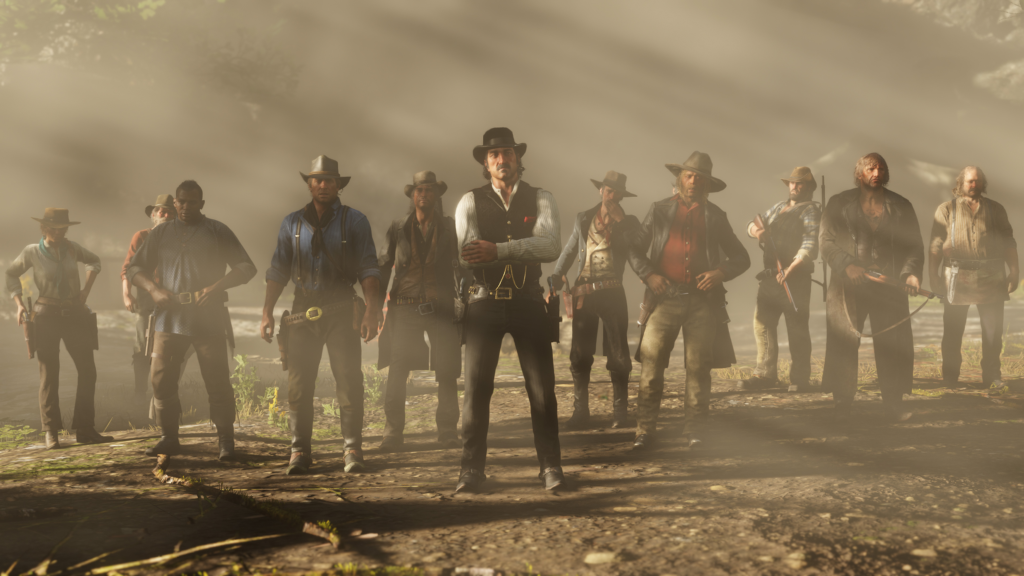
Rockstar didn’t just build a world — they built a simulation of a dying frontier.
Why It Feels Alive
- NPC routines: Workers in Valentine actually construct buildings over weeks of in-game time.
- Ecosystem: Predators hunt prey, birds fish, corpses decay naturally.
- Reactivity: Rob a store and the owner will remember you — injured, angry, cautious.
- World memory: Towns change based on violence, neglect, or protection.
You’re not triggering scripts.
You’re disturbing a system.

2. Kingdom Come: Deliverance II
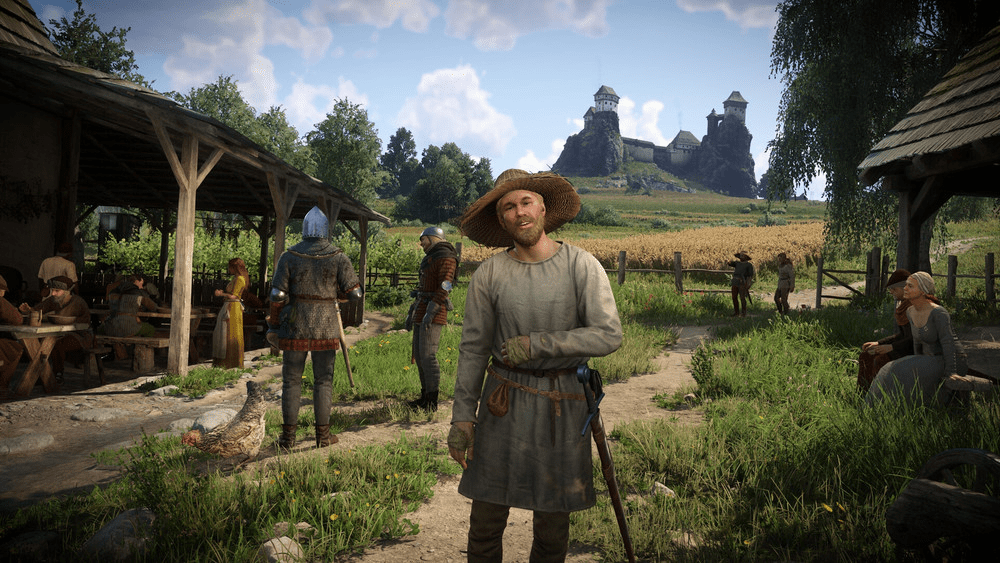
A medieval world that doesn’t care if you’re the protagonist.
Why It Feels Alive
- Social simulation: NPCs react to dirt, blood, armor, and reputation.
- Consequences: Steal food → shortages → prices rise.
- Daily cycles: Shops open, taverns fill at night, towns sleep.
- No power fantasy: Skill, preparation, and respect matter.
This isn’t a medieval theme park.
It’s medieval life — inconvenient, unfair, and persistent.

3. Cyberpunk 2077 (After Major Updates)
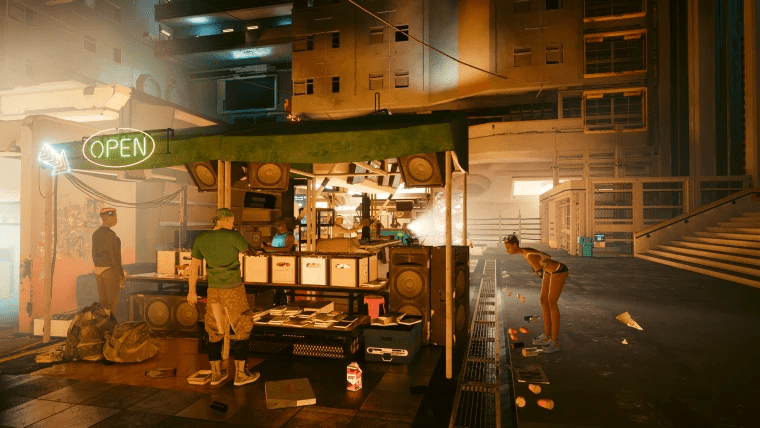
Night City didn’t become alive overnight — it grew into it.
Why It Feels Alive
- Crowd density: Vertical city life with believable movement patterns.
- Ambient storytelling: Ads, overheard conversations, background conflicts.
- Emergent events: Gang clashes, police responses, street chaos.
- Sensory overload: Sound, light, and noise never stop.
You’re not exploring a city.
You’re surviving inside one.

4. The Witcher 3: Wild Hunt
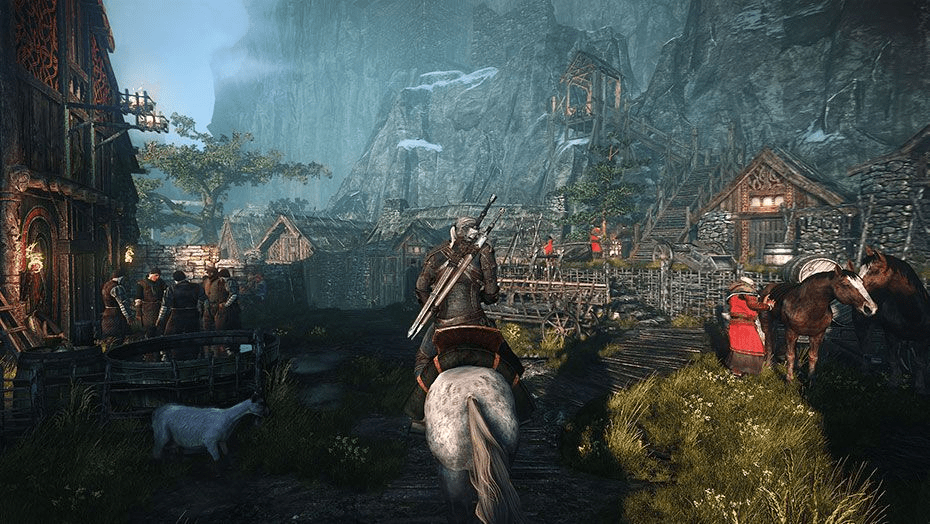
Age hasn’t killed its realism — it sharpened it.
Why It Feels Alive
- Dynamic weather: Storms alter NPC behavior and mood.
- Political consequences: Wars reshape villages and economies.
- Monster ecology: Kill a beast and life slowly returns.
- World response: Choices echo long after quests end.
The Continent feels lived in because it suffers.

5. Ghost of Yōtei
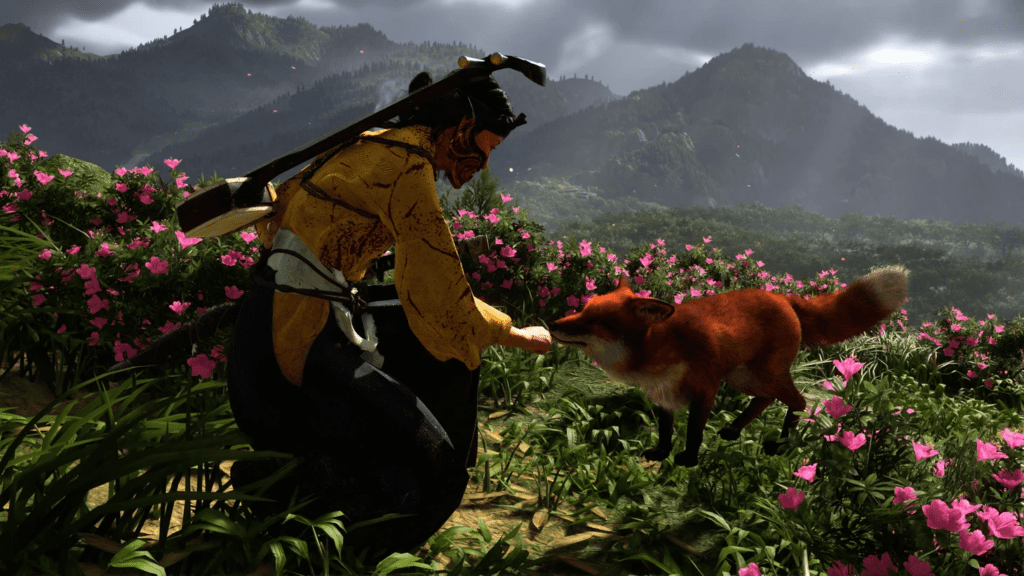
Nature becomes the interface.
Why It Feels Alive
- Environmental guidance: Wind replaces minimaps.
- Seasonal shifts: Snow, ice, and terrain affect traversal and combat.
- Wildlife interaction: Animals react — some even assist you.
- Physical presence: Grass bends, snow compresses, storms isolate.
You don’t control the world.
You listen to it.

6. S.T.A.L.K.E.R. 2: Heart of Chornobyl
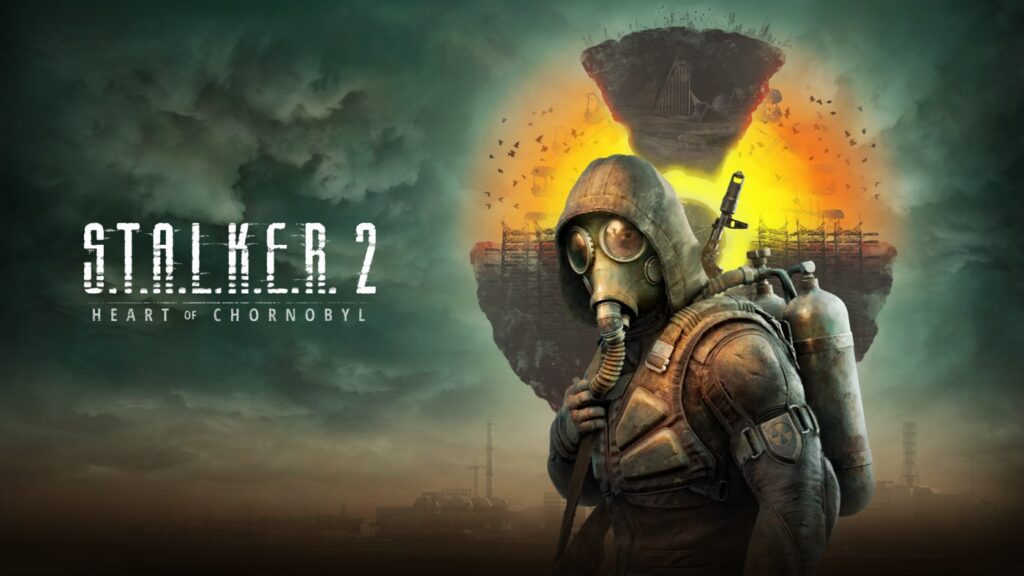
The Zone lives even if you die.
Why It Feels Alive
- A-Life 2.0: NPCs hunt, move, and fight independently.
- Unscripted outcomes: You arrive after events — only traces remain.
- World hostility: The Zone doesn’t scale. It ignores you.
You’re not important.
And that’s why it works.

7. Mount & Blade II: Bannerlord
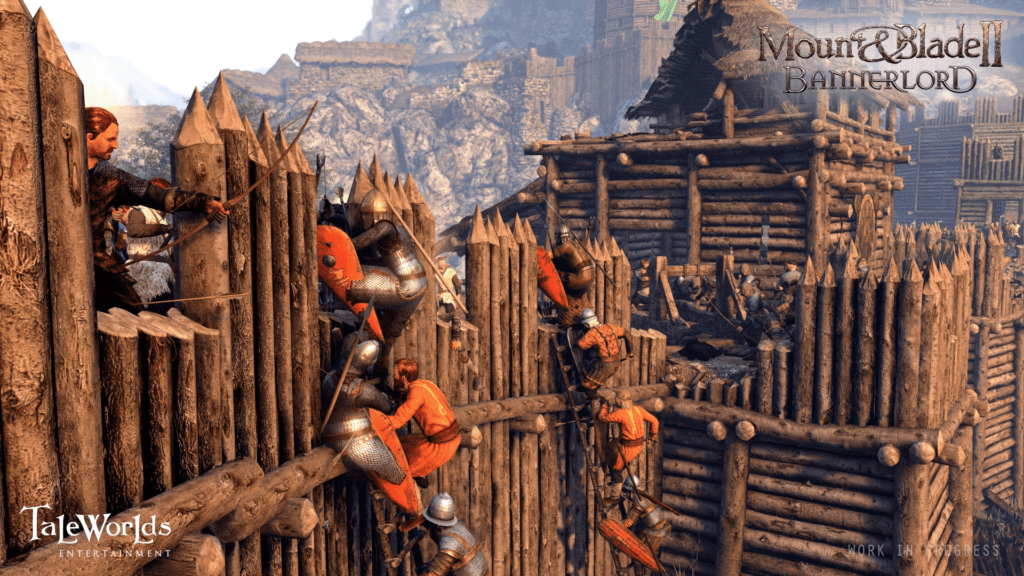
A medieval sandbox with real cause and effect.
Why It Feels Alive
- Living factions: Kingdoms rise, collapse, reform.
- Economy: Trade routes, wars, and raids affect cities.
- Time progression: Lords age, die, and leave heirs.
The world writes its own history.

8. Kenshi
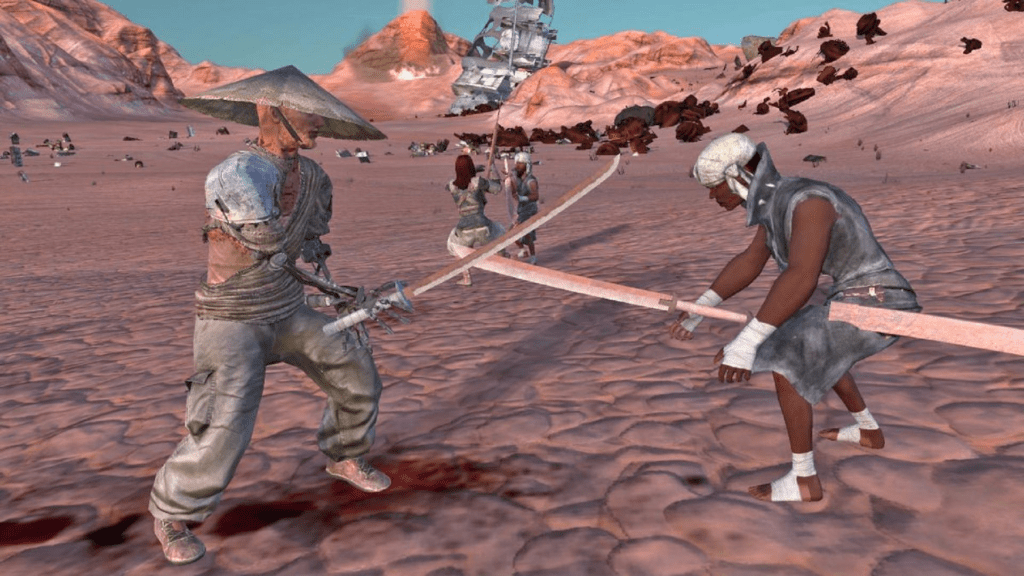
One of the most brutal living worlds ever built.
Why It Feels Alive
- World without a hero: No safety nets. No mercy.
- Faction ecosystems: Kill a leader → power vacuum.
- Permanent outcomes: Slavery, famine, extinction.
The game doesn’t react to you.
It reacts because of you.

9. Outward
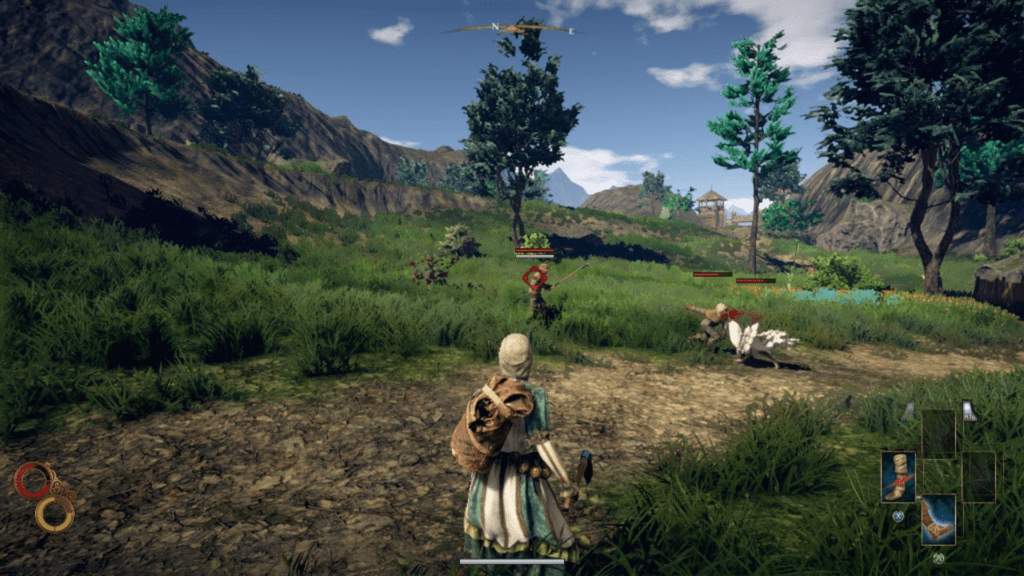
Life doesn’t pause for menus.
Why It Feels Alive
- No fast travel markers: You navigate by memory and terrain.
- Time pressure: Miss a quest window — it’s gone.
- Survival systems: Cold, hunger, disease matter.
You don’t save the world.
You survive it.

10. Elex II
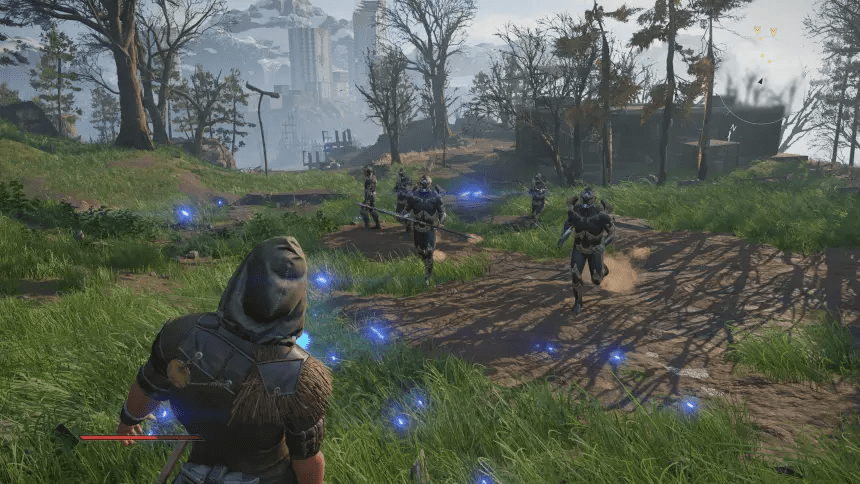
Underrated, reactive, uncompromising.
Why It Feels Alive
- Faction ideologies: Choices reshape relationships.
- Non-scaling danger: Wrong area = death.
- Persistent memory: NPCs don’t forget betrayal.
Mistakes are permanent.

Final Thoughts
A living open world isn’t about realism — it’s about indifference.
The most convincing worlds don’t care if you’re there.
They don’t pause.
They don’t reset.
They don’t forgive.
They remember.
And when a game world remembers you —
that’s when it truly feels alive.