
Top Post-Apocalyptic Games Ever Made

Post-apocalyptic games aren’t really about explosions, mutants, or ruined cities. They’re about what remains after the collapse — people, systems, and the choices we make when survival is no longer guaranteed.
The best games in this genre don’t explain how the world ended. They drop you into the aftermath and ask a harder question: what kind of person are you when rules, comfort, and certainty are gone?
Below are 10 post-apocalyptic games that defined the genre, each in a different way — through story, systems, atmosphere, or brutal moral pressure.
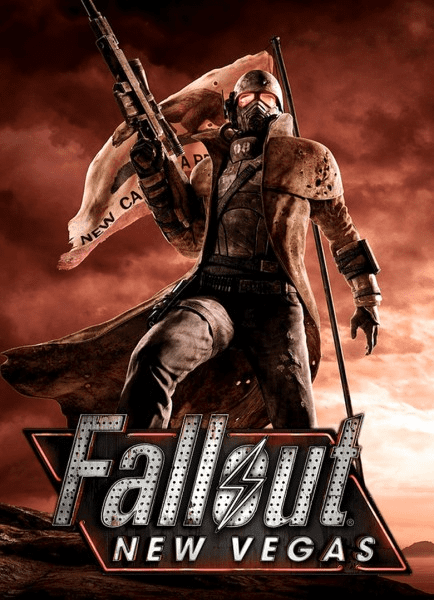
Fallout: New Vegas
What It’s About
A fractured Mojave wasteland where rival factions fight over the future of a post-nuclear society — and you’re the unpredictable variable.
Why It Stands Out
- Deep faction politics with real consequences
- Dialogue-driven role-playing over pure combat
- A world that reacts intelligently to player choices
Who Will Love It
Players who want maximum freedom and morally gray decision-making.
Interesting Fact
Most of the game was developed in just 18 months, yet it’s still considered one of the deepest RPGs ever made.

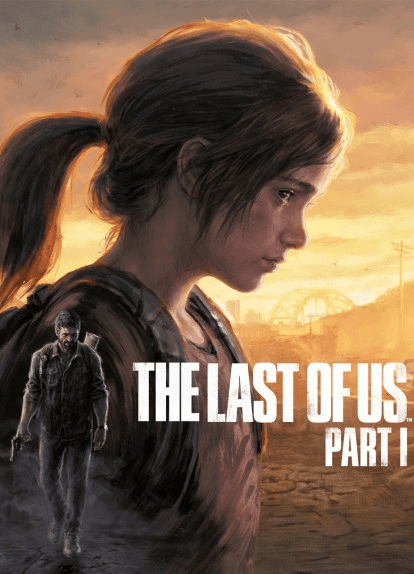
The Last of Us Part I
What It’s About
A broken America decades after a fungal outbreak, where survival often means emotional compromise rather than heroism.
Why It Stands Out
- Grounded, intimate storytelling
- Scarcity-driven combat that reinforces tension
- A focus on relationships rather than world-saving
Who Will Love It
Players who value atmosphere, characters, and emotional weight over power fantasy.
Interesting Fact
The game’s infected behavior was inspired by real research on Cordyceps fungi, which can control the nervous systems of insects.

Best Games for Couples to Play Together in 2026: Co-op From Easy to Competitive
Top 10 Asian Games That Conquered the World
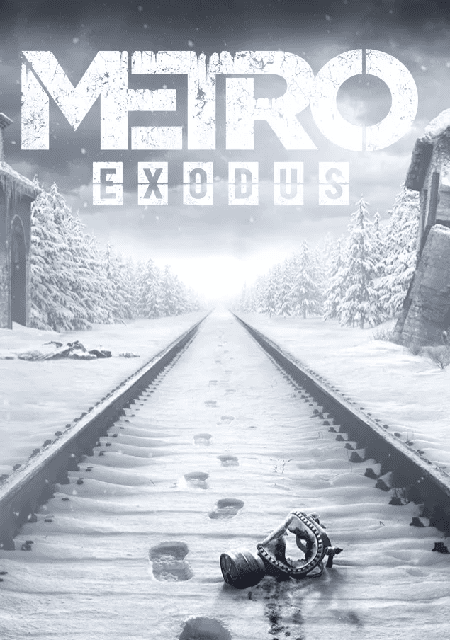
Metro Exodus
What It’s About
Survivors leave the Moscow метро to search for life beyond nuclear ruins, discovering that the world outside is just as dangerous.
Why It Stands Out
- Semi-open levels instead of traditional corridors
- Strong environmental storytelling
- Silence and pacing used as core mechanics
Who Will Love It
Fans of immersive survival shooters with strong atmosphere.
Interesting Fact
Developers recorded real weapon sounds outdoors in winter conditions to match the game’s environments.

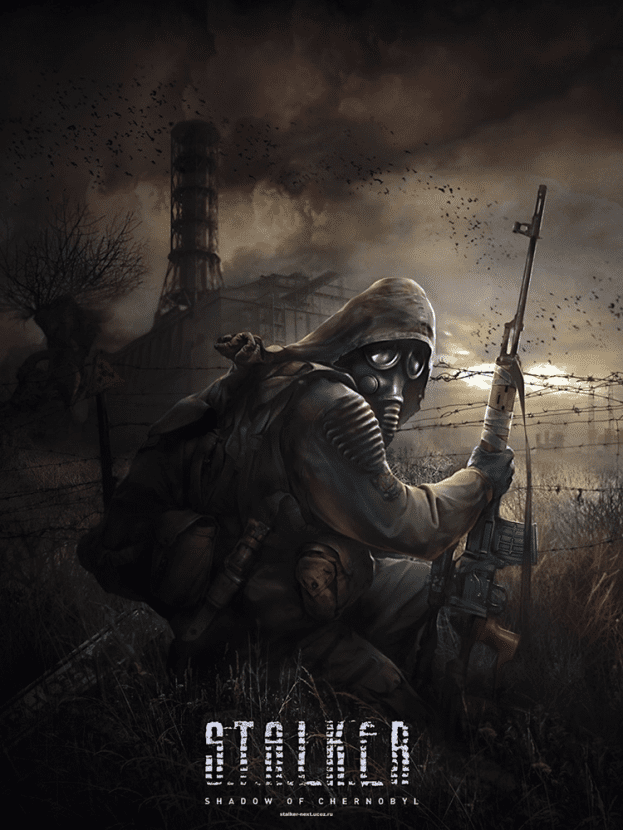
S.T.A.L.K.E.R.: Shadow of Chernobyl
What It’s About
A radioactive exclusion zone filled with anomalies, mutated wildlife, and humans barely holding onto sanity.
Why It Stands Out
- Unpredictable AI behavior via the A-Life system
- No hand-holding or scripted safety
- Constant tension even outside combat
Who Will Love It
Players who enjoy slow, punishing survival experiences.
Interesting Fact
NPCs in the game continue living their routines even when the player isn’t nearby, making the world feel uncannily alive.

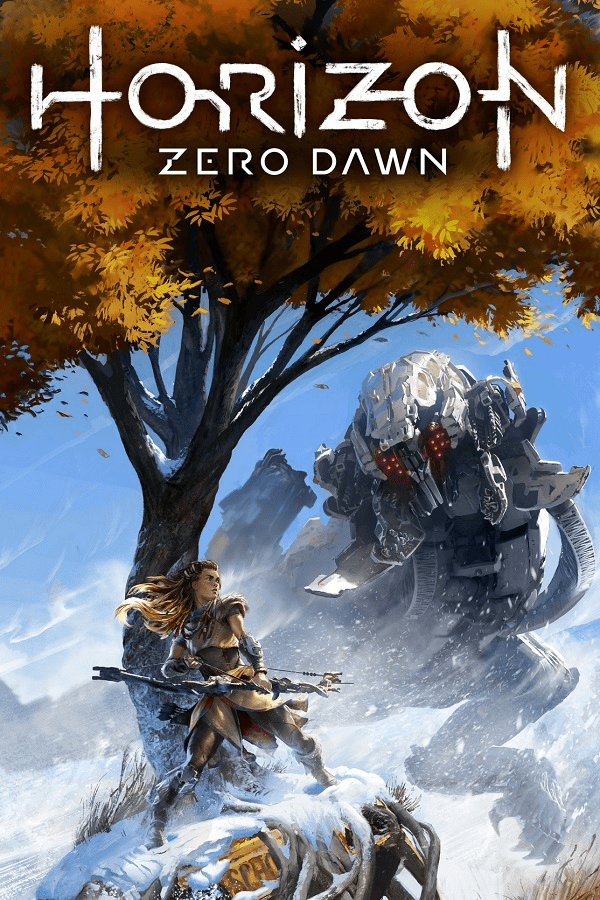
Horizon Zero Dawn
What It’s About
Humanity rebuilds in tribal societies while ancient machines roam a reclaimed natural world.
Why It Stands Out
- One of the most original post-apocalyptic settings
- Strong lore revealed gradually through exploration
- Tactical combat against machine creatures
Who Will Love It
Players who enjoy exploration, lore, and visually striking worlds.
Interesting Fact
The full backstory of humanity’s collapse was written before gameplay systems were finalized, shaping the entire world design.


NieR: Automata
What It’s About
Androids fight a proxy war on Earth long after humanity has vanished — and begin questioning why they exist at all.
Why It Stands Out
- Philosophical themes rarely explored in games
- Multiple endings that recontextualize the story
- Genre-shifting gameplay styles
Who Will Love It
Players interested in existential storytelling and unconventional narratives.
Interesting Fact
Some endings are intentionally trivial or absurd to reinforce the game’s themes about meaning and choice.


Death Stranding
What It’s About
A fractured America where isolation is the true disaster, and rebuilding connections becomes the core objective.
Why It Stands Out
- Traversal as the main gameplay challenge
- Asynchronous multiplayer cooperation
- A focus on loneliness rather than violence
Who Will Love It
Players who appreciate experimental mechanics and slow, meditative gameplay.
Interesting Fact
Players unknowingly help each other by building structures that appear in other worlds without direct interaction.

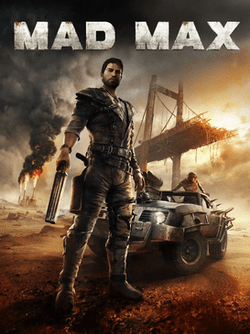
Mad Max
What It’s About
Survival in endless wastelands where vehicles are weapons and fuel is power.
Why It Stands Out
- Exceptional vehicle combat system
- Brutal, kinetic melee fights
- Environmental storytelling through ruins
Who Will Love It
Players who want high-impact combat and vehicular chaos.
Interesting Fact
Many mechanics were developed in parallel with the film franchise, but the game tells a standalone story.

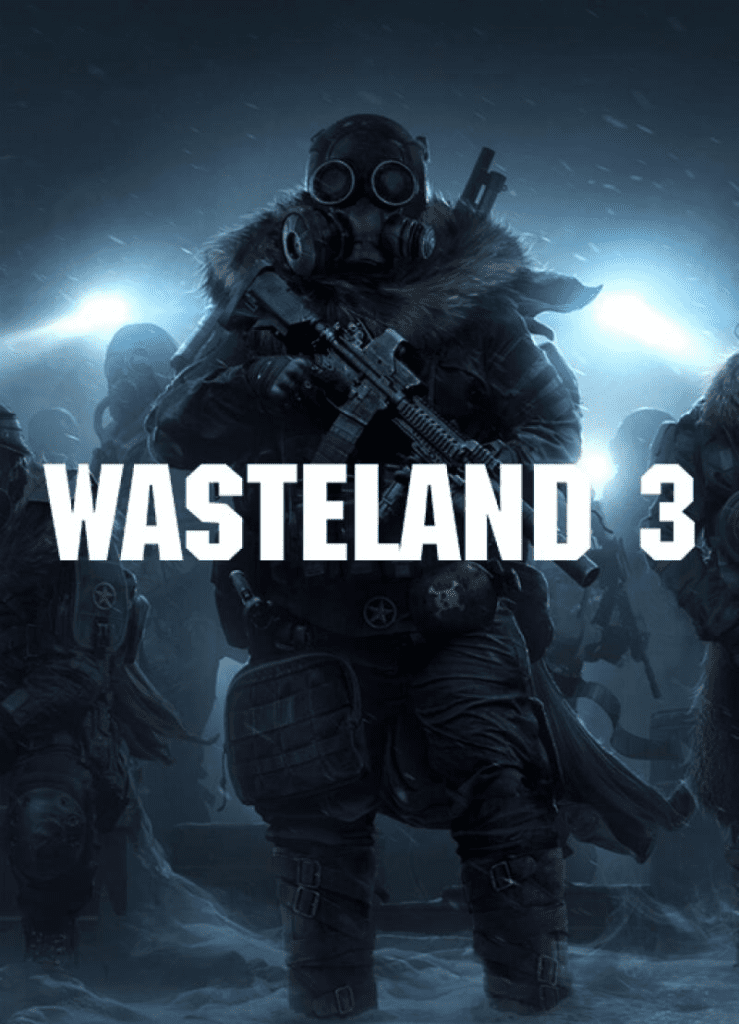
Westerland 3
What It’s About
A frozen Colorado where survival depends on political compromise, tactical combat, and uncomfortable choices.
Why It Stands Out
- Deep tactical RPG systems
- Dark humor mixed with serious consequences
- Cooperative multiplayer in a story-driven RPG
Who Will Love It
Fans of classic RPGs with modern presentation.
Interesting Fact
The game was heavily influenced by player feedback from early access and crowdfunding backers.


FrostPunk
What It’s About
A frozen apocalypse where survival depends on laws, labor, and morally questionable decisions.
Why It Stands Out
- Society management instead of individual survival
- No “good” choices — only necessary ones
- Emotional weight through systemic gameplay
Who Will Love It
Players who enjoy strategy mixed with ethical dilemmas.
Interesting Fact
Many players reported feeling genuine guilt over decisions, which developers considered a design success, not a flaw.

Final Thoughts
The best post-apocalyptic games don’t rely on spectacle. They rely on pressure — emotional, moral, or systemic. They ask you to survive not just physically, but ethically.
Whether it’s rebuilding society, navigating personal loss, or simply staying human in inhuman conditions, these games prove that the end of the world is often just the beginning of the most interesting stories.