
Pancakes Around the World: How Different Cultures Make Them Their Own

Pancakes exist in nearly every culture, but they are never just “breakfast food.”
Depending on where you are, a pancake can be festive, everyday, sweet, savory, fermented, fluffy, thin, or even used instead of bread. The ingredients may look similar, but the techniques, textures, and traditions behind them are completely different.
Below is a detailed look at how pancakes are made and eaten around the world — and why they matter.
Blini (Eastern Europe): Fermentation, Tradition, and Versatility
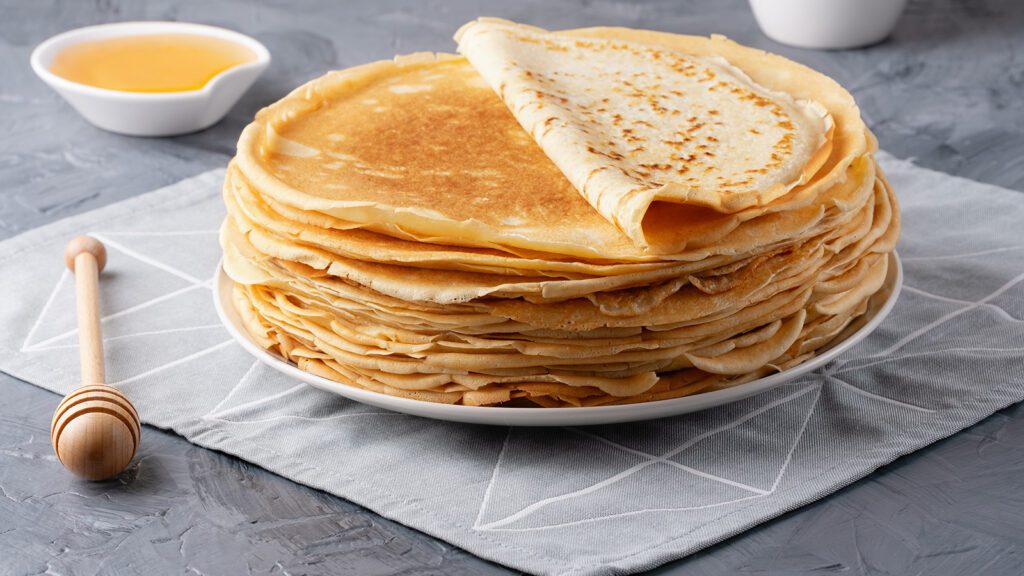
Blini are one of the oldest pancake forms in Eastern Europe and are closely tied to seasonal traditions and communal meals.
How Blini Are Made
Traditional blini are prepared using:
- Wheat or buckwheat flour
- Warm milk
- Yeast (not baking powder)
- Eggs and butter
The batter is fermented, sometimes for several hours. This step is crucial — it develops flavor and gives blini their characteristic elasticity. They are cooked thin, but not fragile, on a lightly greased pan.
What Makes Blini Different
- Fermentation gives a slightly tangy, complex taste
- Elastic structure allows folding and stuffing
- Neutral base works with both sweet and savory toppings
Blini are softer and more flexible than crêpes, but thinner and lighter than American pancakes.
How Blini Are Eaten
Blini are rarely eaten plain. Common pairings include:
- Sour cream
- Butter
- Smoked fish or salmon
- Mushrooms
- Caviar
- Jam, honey, or condensed milk
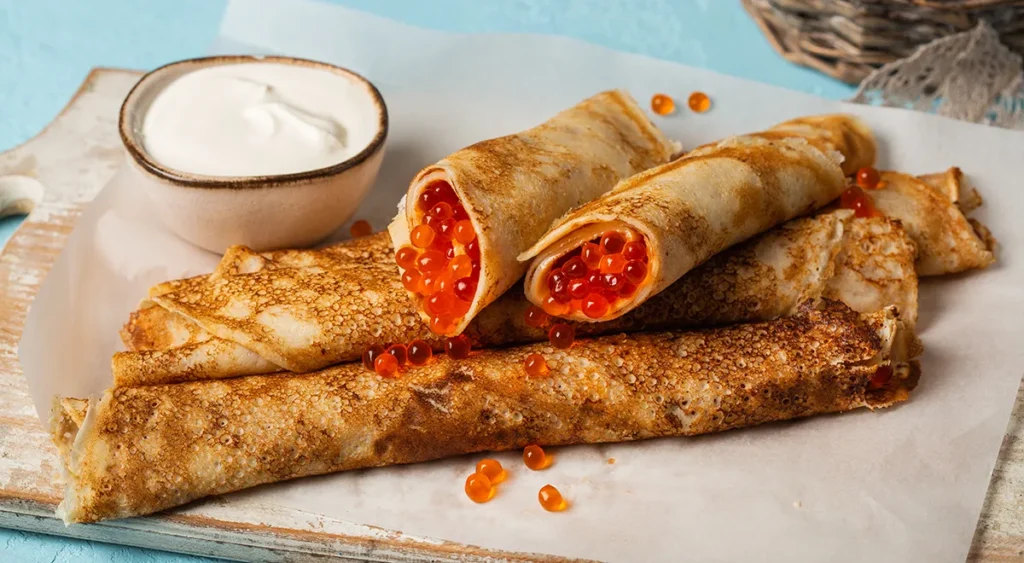
Blini are often stacked and shared, especially during holidays. In many households, blini are associated with gatherings rather than quick meals.
“The Viral Kitchen”: How a 15-Second TikTok Video Changes What You Eat for Dinner in 2026
Top 10 Desserts You Must Try Before You Die
Crêpes (France): Precision and Simplicity
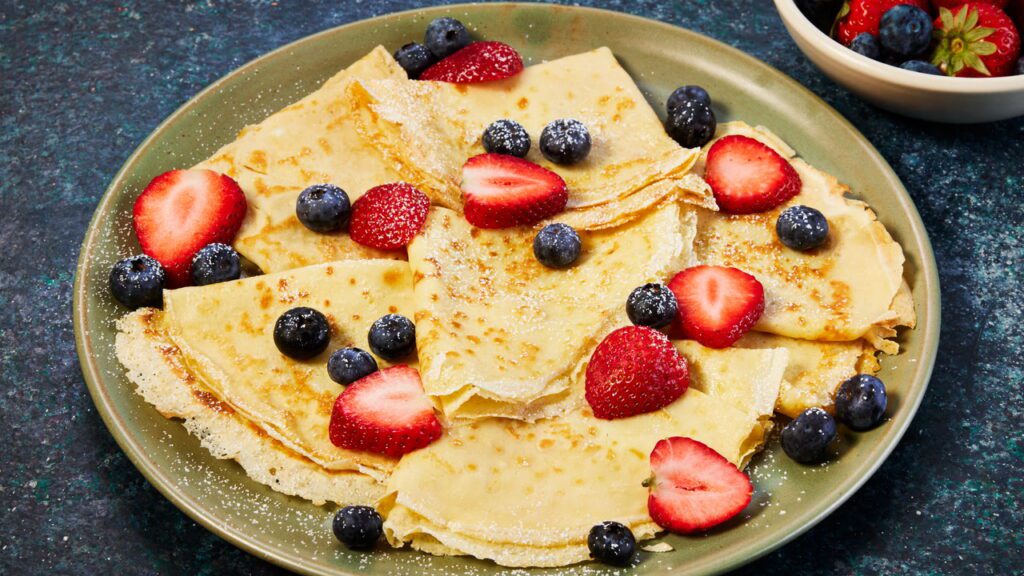
Crêpes represent a completely different philosophy: minimal thickness, fast cooking, and clean flavors.
How Crêpes Are Made
Crêpe batter contains:
- Flour
- Milk
- Eggs
- A small amount of butter
There is no leavening. The batter is rested briefly, then spread extremely thin on a hot pan.
What Makes Crêpes Different
- Paper-thin structure
- Soft but delicate texture
- No rise at all
Crêpes rely on technique rather than fermentation or fluffiness.
How Crêpes Are Eaten
Crêpes are either:
- Sweet: sugar, chocolate spread, fruit, lemon
- Savory (galettes): cheese, ham, eggs
They can be folded, rolled, or layered and are eaten as street food, dessert, or full meals.
American Pancakes: Height and Comfort
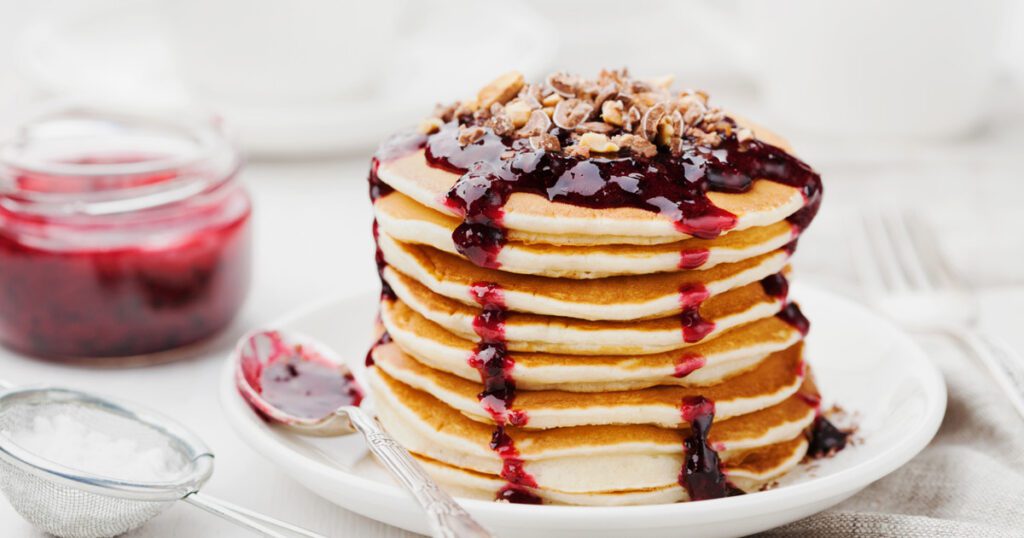
American pancakes are designed to be filling, soft, and indulgent.
How American Pancakes Are Made
The batter typically includes:
- Flour
- Milk or buttermilk
- Eggs
- Baking powder or baking soda
The leavening creates air bubbles that expand during cooking, making the pancakes rise.
What Makes Them Different
- Thick and fluffy texture
- Cake-like interior
- Mild, sweet flavor
Unlike blini or crêpes, American pancakes are not meant to be folded or stuffed.
How They Are Eaten
Usually stacked and topped with:
- Butter
- Maple syrup
- Berries
- Bacon or sausage on the side
They are associated with comfort breakfasts rather than tradition or ceremony.
Scotch Pancakes (Pikelets): Small, Dense, and Everyday
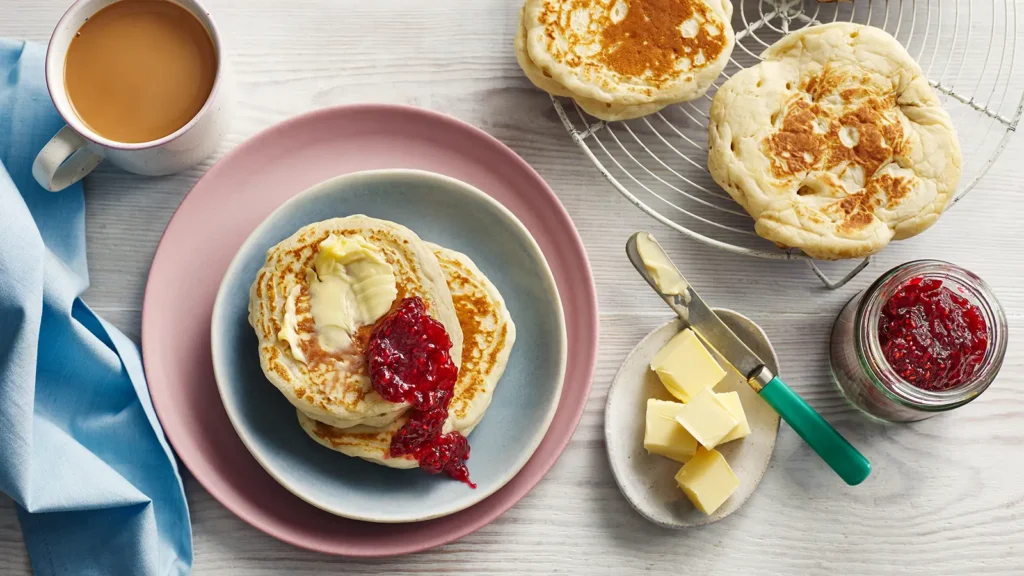
Scotch pancakes, also known as pikelets, are a traditional British version that often gets overlooked internationally.
How Scotch Pancakes Are Made
The batter is similar to American pancakes but:
- Slightly thicker
- Less fat and sugar
- Cooked in smaller rounds
They rise gently rather than dramatically.
What Makes Them Different
- Smaller diameter
- Denser, more bread-like texture
- Less sweetness
They sit somewhere between a pancake and a soft griddle bread.
How They Are Eaten
Commonly served with:
- Butter
- Jam
- Honey
Scotch pancakes are often eaten as snacks or light breakfasts rather than stacked meals.
Dutch Pannenkoeken: Pancake as a Meal
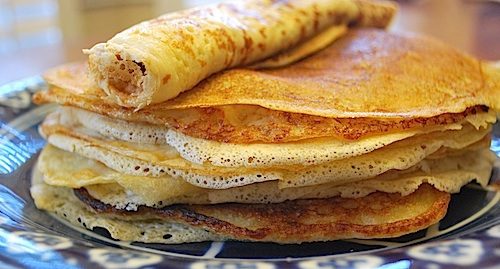
Dutch pannenkoeken sit between crêpes and American pancakes.
How They Are Made
The batter is simple:
- Flour
- Milk
- Eggs
They are cooked large and thin, often covering the entire pan.
What Makes Them Different
- Larger than most pancakes
- Thin but filling
- Designed to carry toppings while cooking
How They Are Eaten
Unlike sweet-focused pancakes, pannenkoeken often include:
- Bacon
- Cheese
- Onions
- Vegetables
Toppings are cooked directly into the pancake, making it a full meal rather than a dessert.
Kaiserschmarrn (Austria): The “Torn” Pancake
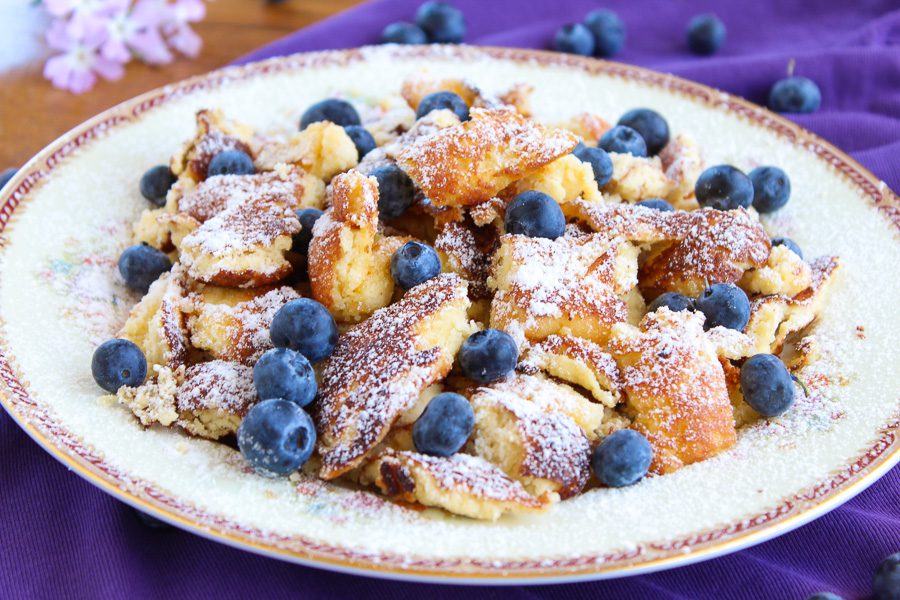
Kaiserschmarrn is one of the most unique pancake formats in the world.
How Kaiserschmarrn Is Made
The batter resembles a thick pancake batter with:
- Eggs separated (whites whipped)
- Milk and flour
- Sugar and butter
The pancake is cooked thick, then torn into irregular pieces directly in the pan and caramelized with butter and sugar.
What Makes It Different
- Torn, uneven texture
- Crispy edges with soft interior
- Caramelized surface
It’s not meant to look perfect — the irregularity is the point.
How It Is Eaten
Usually served as a dessert with:
- Powdered sugar
- Fruit compote
- Apple or plum sauce
Despite being sweet, it is often eaten as a main dish in alpine regions.
Japanese Soufflé Pancakes: Technique Over Ingredients
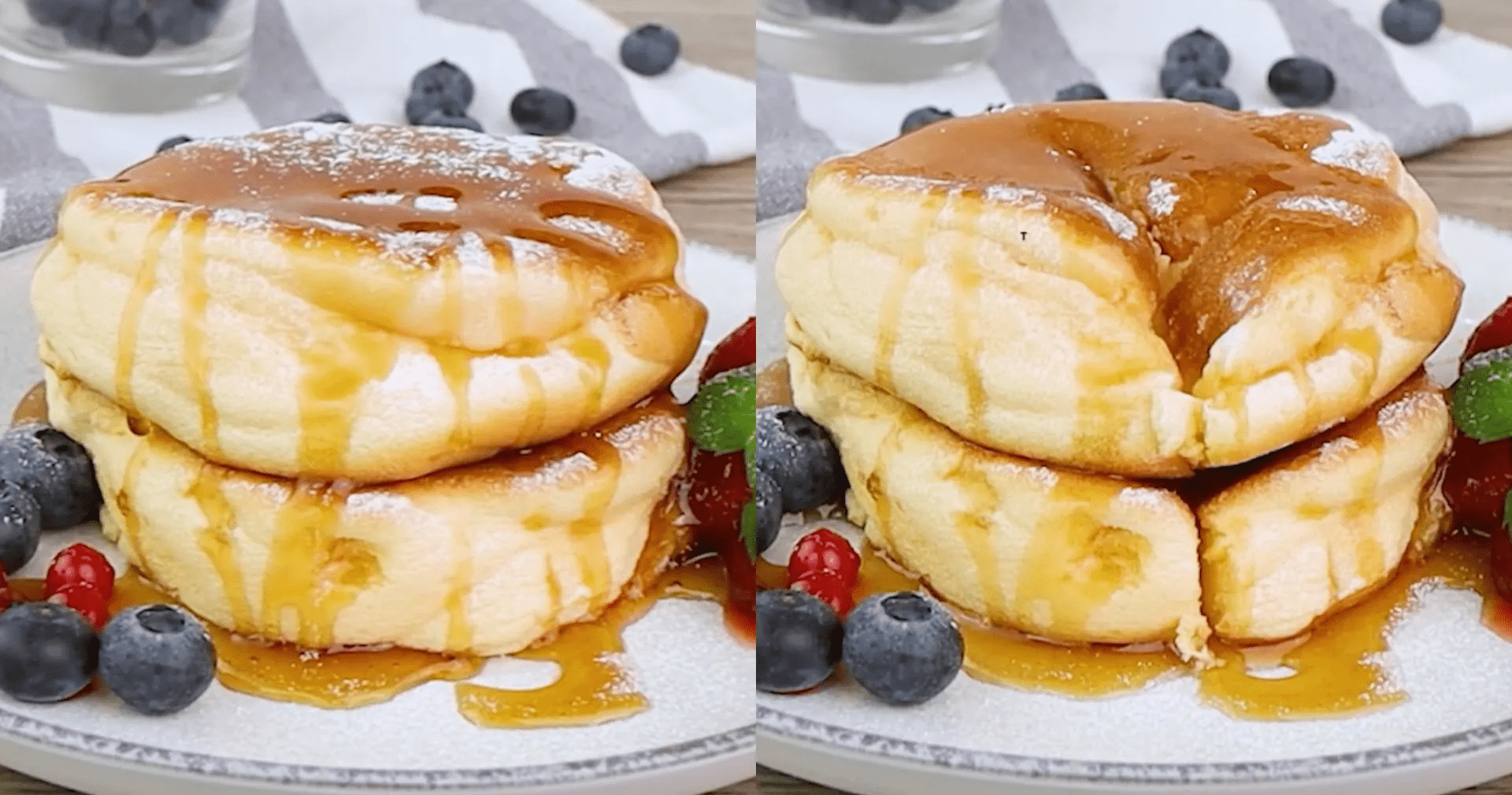
These pancakes focus almost entirely on texture.
How They Are Made
The batter separates egg whites and yolks:
- Egg whites are whipped into a meringue
- Folded gently into the batter
- Cooked slowly with steam
What Makes Them Different
- Extremely airy and tall
- Soft, almost custard-like inside
- Very delicate structure
How They Are Eaten
Usually served as dessert with:
- Powdered sugar
- Cream
- Fruit
They are eaten immediately, as they deflate quickly.
Jianbing (China): Savory Street Pancake
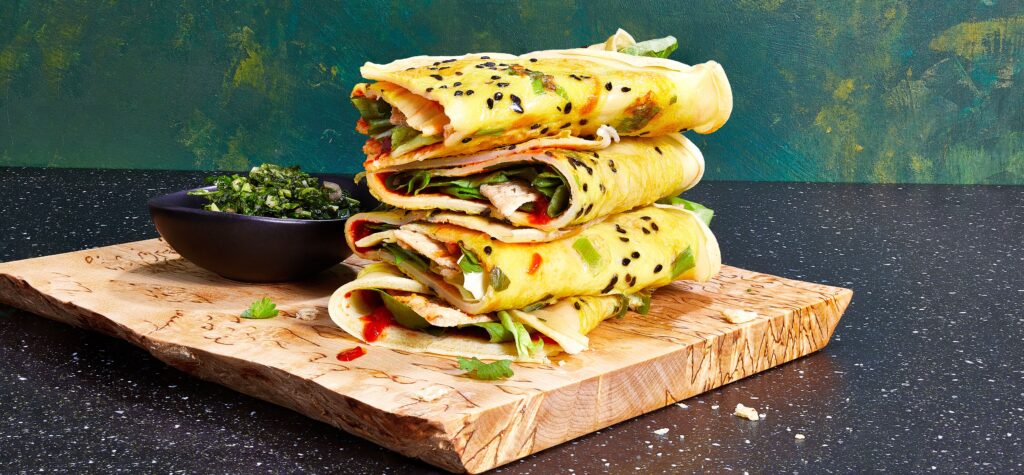
Jianbing is a daily breakfast food in many Chinese cities.
How Jianbing Is Made
- Thin grain-based batter
- Egg spread directly on the pancake
- Cooked quickly on a flat griddle
What Makes It Different
- Savory from the start
- Crisp edges with soft center
- Built for speed and portability
How It Is Eaten
Topped with:
- Herbs
- Sauces
- Crispy crackers or fried dough
Folded and eaten by hand, usually on the go.
Kimchijeon (Korea): Savory Pancakes with Fermented Heat
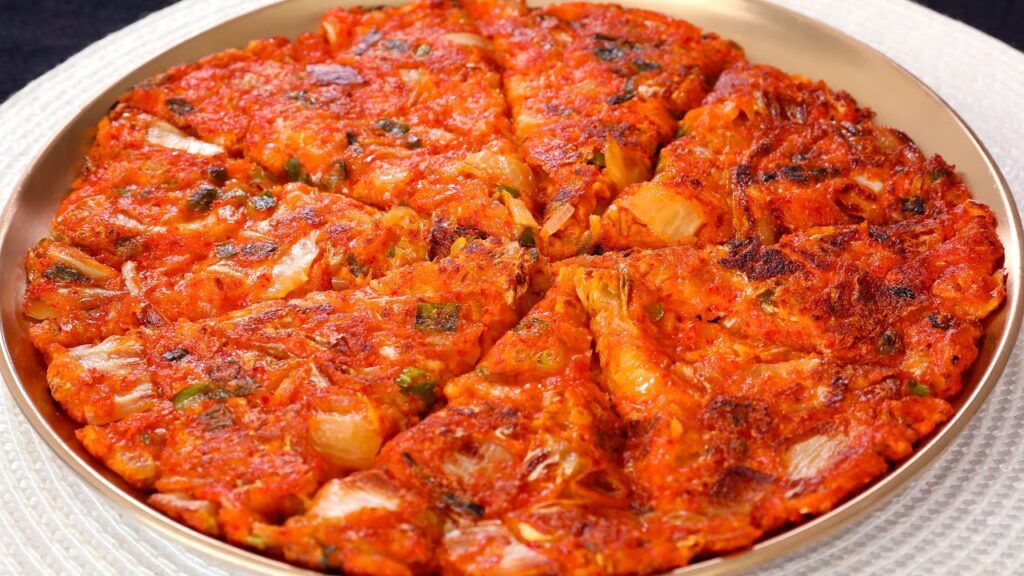
Kimchijeon represents Korea’s take on savory pancakes, and its popularity has grown rapidly worldwide.
How Kimchijeon Is Made
The batter includes:
- Flour or rice flour
- Egg
- Chopped kimchi
- Kimchi juice
Vegetables are mixed directly into the batter and pan-fried until crisp.
What Makes It Different
- Strong fermented flavor
- Crisp outside, soft inside
- Naturally spicy and savory
The kimchi itself acts as both seasoning and main ingredient.
How It Is Eaten
Typically served with:
- Soy-based dipping sauce
- Vinegar and chili flakes
Kimchijeon is commonly eaten as a shared dish or paired with drinks.
Dosa (India): Fermentation and Crispness
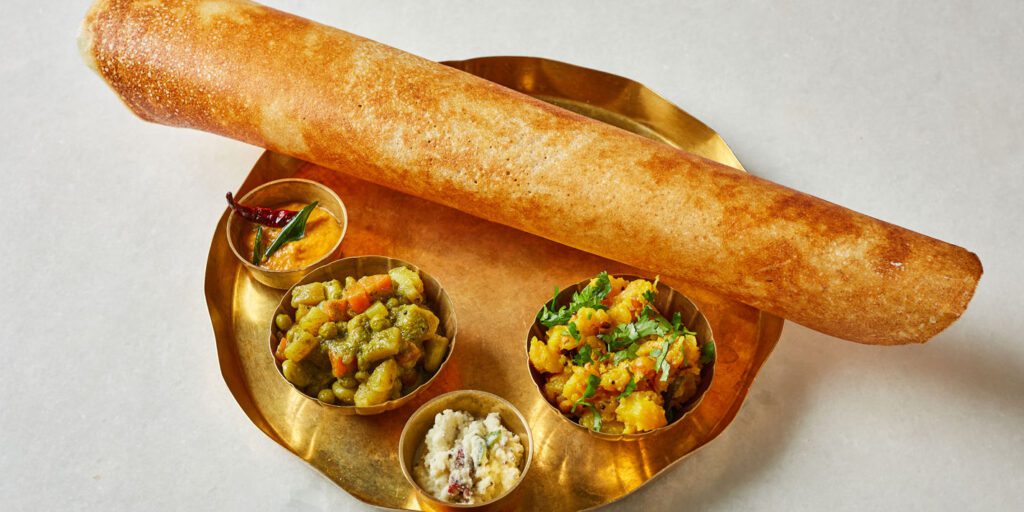
Dosa shows how fermentation can create a completely different pancake experience.
How Dosa Is Made
- Rice and lentils soaked and ground
- Batter fermented overnight
- Spread thin on a hot surface
What Makes It Different
- Sour, complex flavor
- Crispy exterior
- No sweetness at all
How It Is Eaten
Typically served with:
- Spiced potato fillings
- Coconut chutney
- Lentil-based sauces
Dosa functions more like a vessel than a standalone dish.
Injera (Ethiopia): Pancake as Foundation
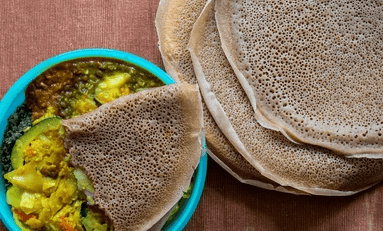
Injera blurs the line between pancake and bread.
How Injera Is Made
- Teff flour
- Long fermentation process
- Cooked into large, spongy rounds
What Makes It Different
- Sour flavor
- Porous texture
- Large size
How It Is Eaten
Food is placed on top of injera, and pieces are torn off to scoop everything together. It replaces utensils entirely.
Final Thoughts
Pancakes are not defined by shape or sweetness.
They are defined by technique, fermentation, texture, and culture.
From caramelized Kaiserschmarrn to fermented kimchijeon, from blini to dosa, pancakes adapt to local ingredients and habits. The same basic idea — batter on heat — becomes something entirely different depending on where you are.
That’s why pancakes are truly global food.