
AI & Tech 2025 — The Definitive Year-End Review

In 2025 artificial intelligence (AI) and related technologies didn’t just advance — they crossed into everyday life, industry infrastructure, global policy debates, geopolitics, consumer tech, enterprise automation, and even cultural recognition. This year marked a shift from early fascination to foundational integration of AI across multiple sectors, redefining how businesses operate, how products are built, and how societies engage with technology. AI transformed from a novel capability into a core platform technology, impacting everything from chips and automation to enterprise software and national strategies. 2025 was a year where AI’s promise intersected with real economic, scientific, ethical, and social consequences, and where the focus began shifting toward autonomous action (Agentic AI) and physical presence (Embodied AI). The developments detailed below are based on documented reports, industry-wide data and verified news events.
1. AI Went Mainstream & Agentic AI Emerged — Technology Adoption & Corporate Transformation

AI Integration Across Software & Enterprise
One of the most significant macro trends from 2025 was the deep embedding of AI in core business tools, reshaping enterprise workflows and daily user experiences:
- AI assistants and “copilots” became pervasive across software suites — from Microsoft 365 Copilot embedded in Word, Excel, and Outlook to Google’s Duet AI assisting in Gmail and Workspace — significantly changing how users create, analyze, and collaborate.
- Over 65 % of global business leaders identified predictive analytics and AI as critical drivers of customer loyalty and personalized experiences, though only about 12 % have achieved measurable AI ROI in 2025, underscoring the gap between adoption and effective implementation.
- This workplace AI shift marked a transition from niche tools to core infrastructure — changing how data is interpreted, how decisions are made, and how productivity is scaled across organizations.
The Rise of Agentic AI
Crucially, the industry began shifting from user-prompted “Copilots” to autonomous, goal-driven AI Agents capable of executing complex, multi-step tasks (like managing an entire supply chain or autonomously handling IT support tickets) without constant human intervention. Companies like OpenAI, Microsoft (AutoPilot), and Anthropic (Claude 3 Agents) made autonomous agency the centerpiece of their development roadmaps.
Canva AI vs Adobe Express vs Figma: Best Design Tool for Non-Designers in 2026?
Why Every Gadget Looks the Same in 2025 — and Why That’s a Problem
2. Generative AI & Models Defined the Year — The Multi-Model Race
Breakthrough Models & New Capabilities
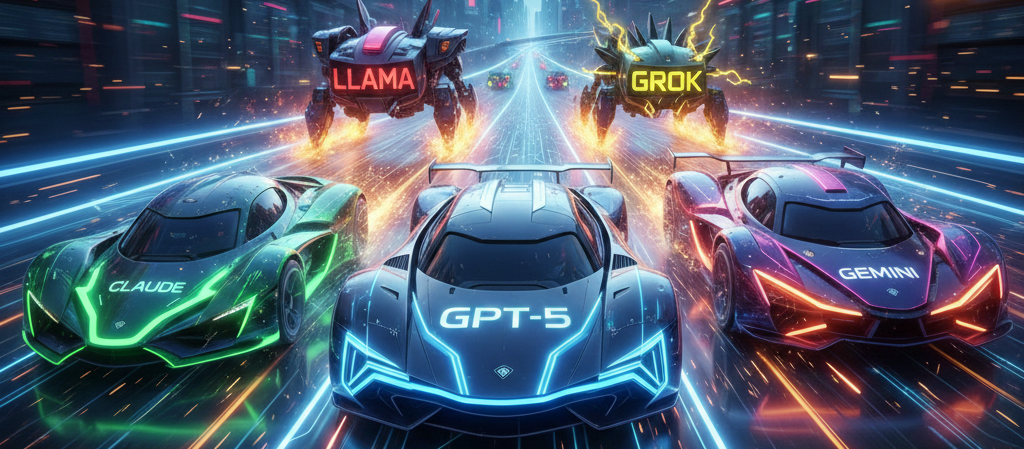
2025 saw major advances in generative AI and large language models (LLMs) that set the stage for the next phase of digital transformation, fueled by intense global competition:
- OpenAI released GPT-5 — a model featuring expanded context windows and advanced generative capabilities, enabling deeper reasoning and broader content creation than earlier generations.
- Parallel to proprietary releases, Meta’s Llama series (including new open-weight versions in 2025) continued to democratize access under permissive licensing, enabling innovation outside elite AI labs.
- Anthropic expanded its Claude model’s context handling to unprecedented lengths — reportedly allowing analysis of entire codebases in a single input — representing a leap in developer and enterprise productivity.
- Google advanced its multimodal suite with the latest generation of Gemini (Pro/Ultra), emphasizing native, seamless understanding and generation across text, image, and audio formats, setting a new benchmark for cross-modal reasoning.
- The open-source landscape was redefined by Meta’s Llama 3 and 4 series, whose performance closed the gap with proprietary models, accelerating innovation and deployment, especially in emerging markets.
- xAI (Elon Musk’s company) became a disruptive force, deeply integrating its Grok model into the X platform, focusing on real-time data analysis and delivering a unique, unrestricted conversational style.
- Generative AI’s rapid progress in 2025 wasn’t limited to text; image, audio, video and even the generation of simple, coherent interactive worlds (e.g., DeepMind’s Genie-like systems) became viable at enterprise scales — reshaping sections of media, entertainment, and software development industries.
3. Hardware, Chips & the AI Infrastructure Race — The Shift to Embodied AI
AI Chips & Compute Power Became Strategic Assets
AI’s demands reshaped the semiconductor landscape, linking compute power directly to physical world applications:
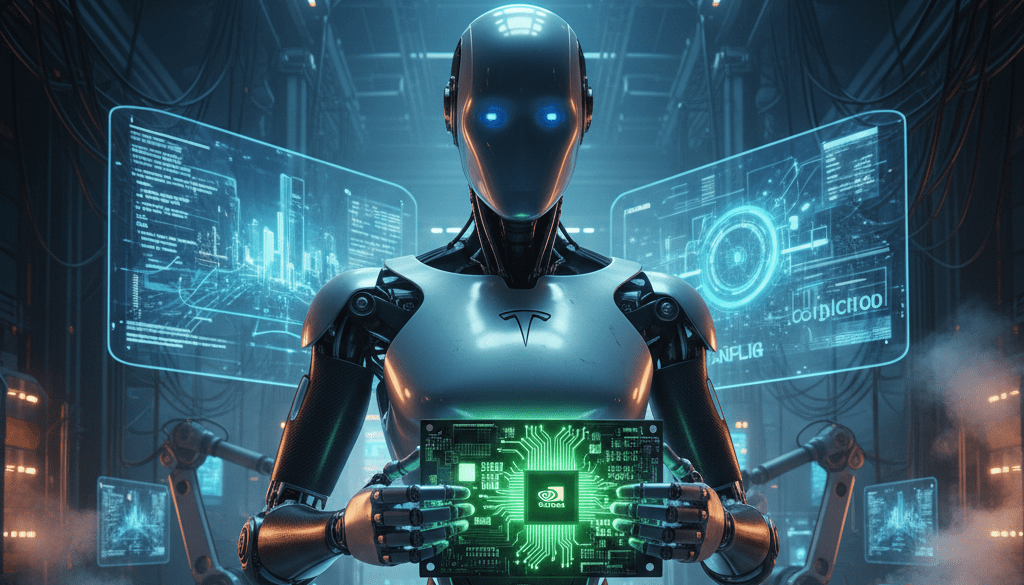
- Nvidia’s next-generation AI chips such as Blackwell Ultra and Vera Rubin stacked performance gains up to 20–30× over prior architectures, expanding real-time inference and robotics potential.
- The major breakthrough was the intense focus on Embodied AI — moving AI from the cloud into the physical world. Advanced robotics simulation tools — like Newton physics engines developed in cooperation with Google DeepMind and Disney — signaled a future where AI-powered machines can be trained virtually at scale.
- This was underlined by key initiatives in humanoid robotics: Nvidia released GR00T (a foundational model for robots), while partnerships (like Figure/OpenAI) and rapid progress on Tesla Optimus pushed human-scale, general-purpose robots from research labs toward commercial pilots.
- The scale of compute required for AI development also drove hardware demand and illustrated geopolitical tensions around chip supply — with global competition intensifying over access to fabrication and advanced AI processing.
4. Enterprise AI & Cloud Transformation
Copilots & Agents Shifted Productivity
Across industries, AI agents and platform convergence became a defining theme:
- Platforms like ServiceNow rebranded their offerings into AI-first platforms, orchestrating thousands of AI agents that collaborated across business functions — from HR and legal to CRM and customer service.
- Large enterprise deployments — such as over 200,000 Microsoft Copilot licenses across major Indian IT consulting firms — highlighted how AI integration scaled beyond pilot projects to full operational adoption.
- AI in enterprises was no longer an accessory — it became integral for automation, decision support, and the new digital workflow backbone.
5. Geopolitics, Policy, Energy & Economic Influence of AI
AI as a Strategic National Asset and Regulatory Target
AI’s influence extended beyond technology into global power dynamics, governance, and environmental impact:
- Major research indicates that US, China, and EU powerhouses control over 90 % of advanced AI data centers, creating a technological divide that shapes economic and strategic influence worldwide.
- Policy debates intensified dramatically, fueled by the official implementation of the European Union’s AI Act (EU AI Act). This created the world’s first comprehensive, risk-based regulatory framework, forcing global companies to establish clear compliance strategies for deployment in Europe.
- AI’s geopolitical role was also reflected in scientific alliances and lab expansions — such as Google DeepMind’s automated science lab in the UK, aimed at accelerating materials research and next-generation computing breakthroughs.
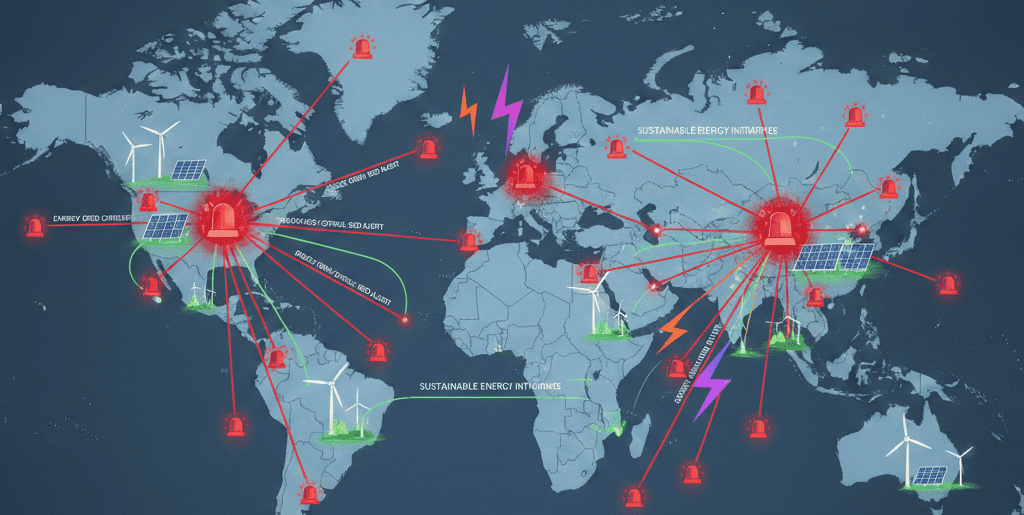
- A new strategic concern emerged: the vast and rapidly growing energy consumption required for training and inference (especially for large-scale agents and multimodal models). Debates over AI’s sustainability and the strain on electrical grids from massive data center build-outs became a central political and environmental issue in 2025.
6. Consumer Tech & AI in Everyday Life

AI Everywhere — Phones, Smart Devices & Appliances
AI’s consumer footprint grew rapidly in 2025:
- Samsung and other consumer tech companies integrated AI directly into devices, from smart home appliances that optimize cooking and energy usage to smartphones with real-time translation and AI-driven feature expansions.
- Samsung’s Galaxy AI expanded language support broadly, driving accessibility and adoption across millions of devices worldwide.
- Consumer AI embraced not just utility but everyday convenience — setting the stage for AI to become standard in personal and home tech ecosystems.
7. Media, Content & AI Ethics in 2025
AI Content Backlash & Ethical Concerns
2025 also saw growing challenges and backlash in how AI was used in media and publishing, driving immediate regulatory action:
- Missteps in AI content — such as inaccurate AI-generated video recaps — caused brands and publishers to reconsider how they deploy AI at scale, especially when accuracy and trust are critical.
- Ethical pressure intensified due to the proliferation of deepfakes (especially synthetic content and images) and the rise of ‘grief tech’ (AI recreations of deceased individuals), which sparked public outcry and legislative urgency.
- As a result, regulators began discussions around mandatory labeling of AI content and transparency requirements, indicating that ethical governance of AI is becoming a central policy issue.
- This reflects a broader societal debate: how to balance AI capability with responsibility, accuracy, and trust.
8. Defense & Strategic AI Investments
AI in Defense & Industrial Modernization
AI’s industrial and defense applications were prominent in 2025:
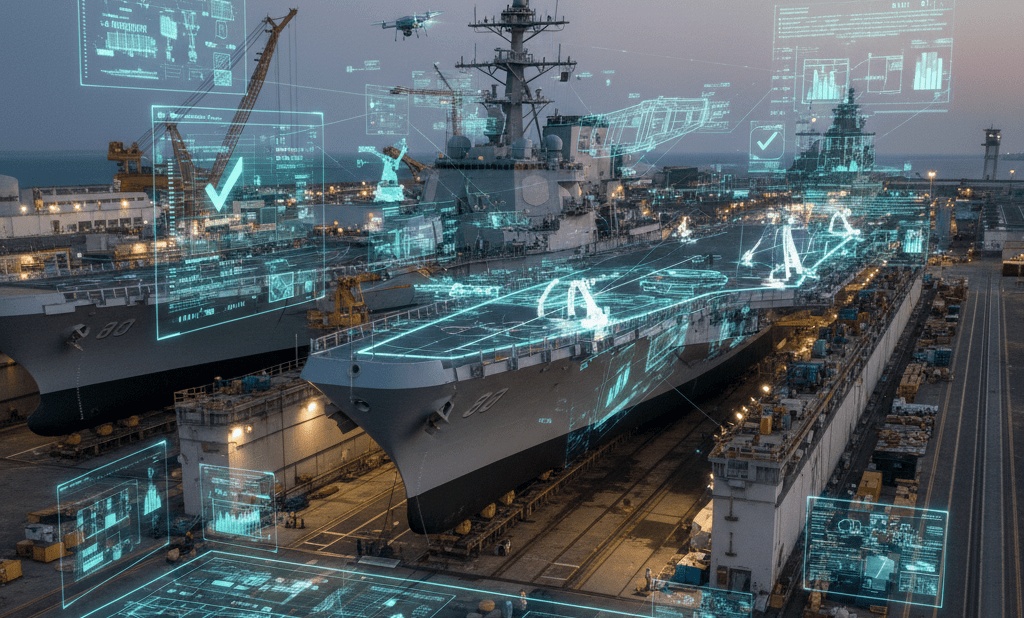
- The U.S. Navy invested $448 million in Palantir’s AI software to overhaul shipbuilding processes — cutting production delays dramatically and showcasing how AI can improve massive industrial systems.
- These initiatives highlight how AI is not just reshaping consumer products or enterprise tools — it’s redefining heavy industry, engineering workflows, and national defense strategies.
9. Cultural Recognition: AI’s Societal Impact
AI Architects as Person of the Year
In 2025, Time magazine named the “Architects of AI” as its Person of the Year, honoring the individuals whose work created a foundational shift in society, economy, and technology. This recognition reflects not just technological innovation but global cultural impact. AP News The honorees included figures behind leading AI research and development — from CEOs of major tech AI labs to pioneers in applied AI research — illustrating how deeply AI has influenced modern life.
10. Challenges, Risks & the Future of AI — The Hype Correction
AI Bubble Concerns, Economic Discussions & Operational Realities
Even amid massive growth, 2025 was marked by a “Hype Correction” as operational reality set in:
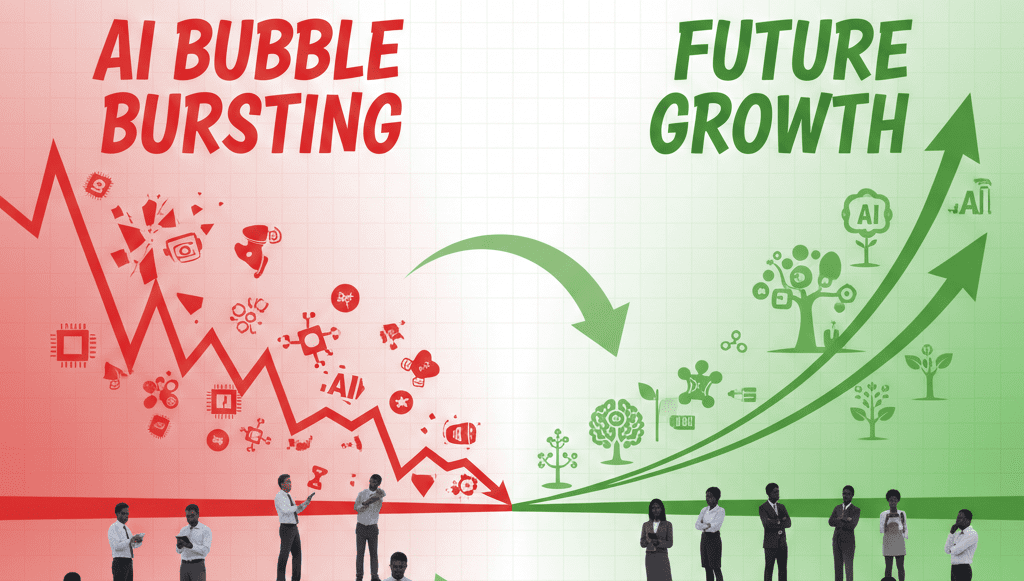
- Reports suggested an “AI bubble” scenario with enormous enterprise investments (estimates put worldwide AI spending toward US$1.6 trillion) possibly outpacing measurable returns across many organizations.
- The central disillusionment was the low Return on Investment (ROI) from Generative AI: Analysts reported that the vast majority of companies (up to 95%) struggled to move GenAI projects beyond pilot phases into profitable, scaled operations. This realization led to the predicted cancellation of many overly ambitious autonomous agent projects (Gartner estimated a significant percentage of cancellations by 2027).
- However, proponents argued AI’s platform shift nature — not just hype — indicates real, structural change in how economies function, even if short-term market volatility occurs.
Skills, Jobs & the Human-AI Interface
AI’s rise also sparked intense debates about the future of work: automation threatened traditional jobs while creating new roles requiring human-AI collaboration skills. The focus shifted from simple displacement to the need for “white-collar” workers (e.g., coders, lawyers, writers) to rapidly adapt or integrate AI tools, emphasizing continuous learning and adaptability.
Summary: Key Tech & AI Takeaways of 2025
| Category | Major Verified Development |
| Enterprise AI Adoption | AI assistants & platforms integrate across workflows globally. Agentic AI emerges as next frontier. |
| Generative AI | Advanced LLMs (GPT-5, Claude, Gemini, Llama) push boundaries of generation, accelerating the multi-model race. |
| Hardware Innovation | New AI chips deliver massive performance gains. Focus shifts to Embodied AI (Robotics, Humanoids). |
| Consumer AI | AI in devices becomes mainstream. |
| Geopolitics & AI | AI data centers concentrated in global power regions. Energy consumption becomes a strategic concern. |
| Ethical & Policy Pressures | Backlash over AI content prompts regulatory debates. EU AI Act enters force; Deepfakes/Grief-Tech drive urgency. |
| Defense & Industry | AI streamlines shipbuilding & industrial processes. |
| Economic Realities | Hype Correction due to low measurable ROI in most GenAI projects despite massive spending. |
| Cultural Impact | AI creators recognized as pivotal figures of the year. |
Final Thoughts
Why 2025 Was a Turning Point
2025 stands out as the year AI and advanced technology stopped being optional and became foundational. It was a year where:
- AI integrated deeply into software stacks, business processes, consumer devices, and society at large, moving toward autonomous Agentic systems.
- Generative AI matured into creative and enterprise tools, fueled by intensified competition across all major players (OpenAI, Google, Meta).
- Embodied AI and robotics made a critical leap from research to viable engineering projects.
- Policy and ethical scrutiny increased alongside adoption, culminating in the enforcement of the EU AI Act.
- The economic reality of Hype Correction balanced the initial optimism, forcing enterprises to focus on measurable ROI and sustainability.
- Industry, defense, and culture all adjusted to the reality of AI-powered futures.
This year’s developments weren’t incremental — they reshaped the technological landscape, setting the stage for how the next decade of AI & Tech unfolds.