
Lifehacks & Trends of 2025: How People Quietly Changed the Way They Live

2025 Was Not a Loud Year
2025 will not be remembered as a year of big lifestyle revolutions.
There was no single app, habit, or philosophy that suddenly “changed everything.”
Instead, something quieter happened.
People didn’t dramatically reinvent their lives — they adjusted them.
Not to become better versions of themselves, but to cope with a world that became mentally heavier, faster, and more intrusive than before.
Lifehacks in 2025 stopped looking clever.
Trends stopped looking exciting.
What emerged instead were small behavioral shifts — subtle changes in how people think, choose, and disengage. These shifts didn’t go viral. They didn’t promise transformation. But they stuck.
This article is not about what was popular in 2025.
It’s about what quietly stayed.
1. 2025 Was a Year of Behavioral Correction, Not Innovation
For most of the past decade, lifestyle trends followed the same logic:
- optimize more
- track everything
- improve faster
- stay ahead
By 2025, that logic stopped working.
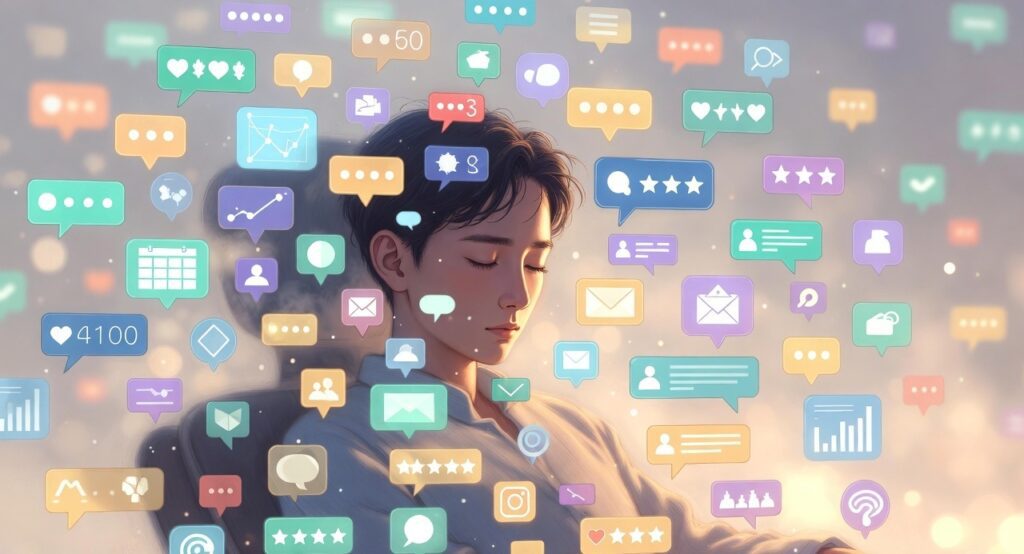
People weren’t lacking tools or information. They were lacking mental margin. The constant pressure to upgrade one’s habits, mindset, productivity, and digital presence created fatigue rather than progress.
As a result, many 2025 trends were not about adding something new — but about removing pressure.
Not quitting technology, but lowering its dominance.
Not rejecting self-improvement, but softening it.
Not slowing down completely, but choosing where speed actually mattered.
This is why 2025 trends often looked underwhelming on the surface — yet deeply meaningful in practice.
The Digital Hallucination: How Social Media Algorithms Decide What You Believe Is Normal in 2026
“The Wealthy Mindset”: 7 Financial Habits of People Who Never Feel Broke (Even in 2026)
2. Why Lifehacks Stopped Looking Like Lifehacks
Traditional lifehacks were designed to impress:
- clever shortcuts
- unexpected tricks
- dramatic “before / after” effects
In 2025, people stopped trusting anything that looked too smart.
Lifehacks evolved into something less visible:
- fewer steps instead of faster results
- lower cognitive load instead of higher efficiency
- habits so small they barely felt like habits
The most effective lifehacks of 2025 shared three traits:
- They required almost no motivation
- They didn’t need tracking or optimization
- They blended into daily life without friction
A 30-second pause mattered more than a 30-day challenge.
Doing “a little less” worked better than trying harder.
The goal was no longer to maximize output — it was to reduce resistance.
3. The Psychological Core of 2025 Trends
At the center of many 2025 trends was a shared emotional state:
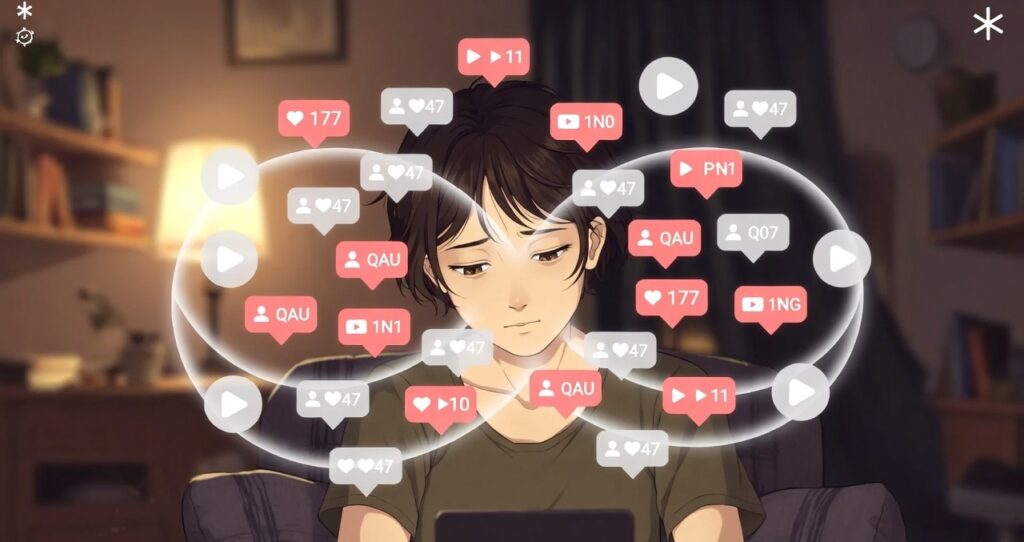
low-grade, continuous mental overload.
Not panic. Not burnout in its dramatic form.
But a constant background tension caused by:
- endless stimulation
- algorithmic pressure
- emotional numbness mixed with anxiety
People became more aware of dopamine loops, not because they studied neuroscience, but because they felt the effects:
- difficulty enjoying slow moments
- reduced emotional range
- constant need for novelty without satisfaction
This awareness didn’t lead to radical detoxes.
Instead, it led to moderation.
People didn’t try to “fix” their brains.
They tried to stop overstimulating them.
This psychological shift explains why motivation content lost influence in 2025. Motivation assumes lack of effort. But most people were already trying too hard.
4. The Anti-Tech Turn (Without Going Offline)
One of the most misunderstood trends of 2025 was the so-called “anti-tech” movement.
It wasn’t anti-technology.
It was anti-loss of control.
People didn’t want to abandon the internet — they wanted to use it on their own terms. This resulted in subtle but important behavioral changes:
- growing distrust toward algorithmic discovery
- preference for direct sources and manual choice
- renewed interest in older, less optimized systems
Convenience lost its absolute value.
Control became more important than speed.
Privacy stopped being a niche concern and started to feel like a form of digital self-respect. Not secrecy — but autonomy.
In 2025, friction was no longer automatically bad.
Sometimes friction meant intentional choice.
5. The Rise of Soft Optimization
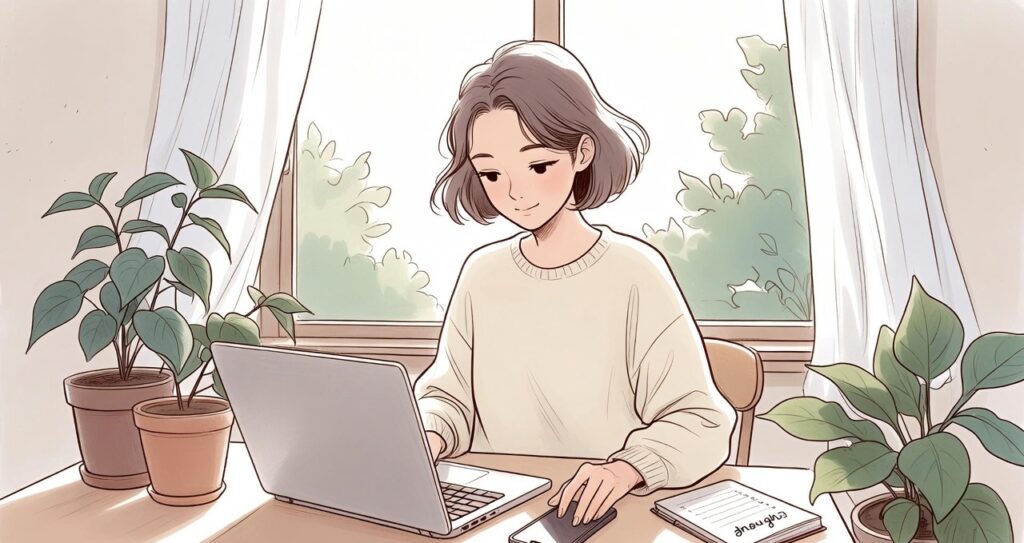
If there was one unspoken philosophy behind 2025 lifehacks, it was this:
Improve your life without turning it into a project.
This approach can be described as soft optimization.
Soft optimization is not:
- hustle culture
- extreme minimalism
- productivity maximalism
It is:
- setting gentle limits
- stopping when something feels “enough”
- optimizing only what causes daily friction
Instead of redesigning entire routines, people adjusted pressure points:
- fewer notifications
- smaller commitments
- clearer personal boundaries
The goal wasn’t excellence.
It was sustainability.
6. What Didn’t Survive 2025
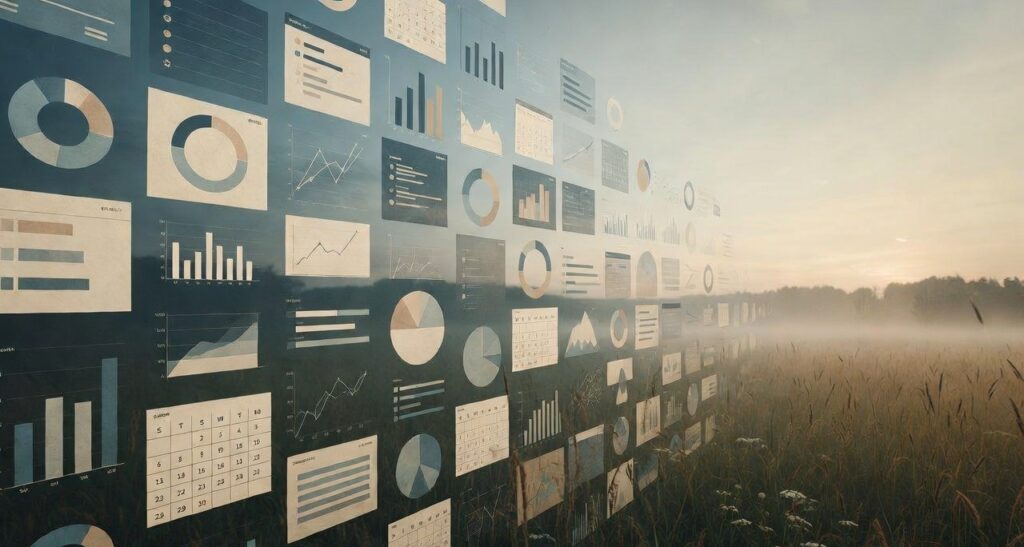
Understanding 2025 trends also means understanding what quietly faded.
Several ideas lost their appeal not because they were wrong — but because they demanded too much:
- productivity porn and constant self-tracking
- hype-driven adoption of new tools
- the belief that AI would “fix” personal inefficiency
- aggressive self-optimization narratives
These concepts failed because they treated humans as systems to be upgraded, not as organisms needing balance.
2025 exposed a simple truth:
more tools do not automatically create more clarity.
7. What Actually Changed for Good
Some shifts of 2025 are unlikely to reverse:
- Attention became a consciously protected resource
- Emotional awareness replaced emotional suppression
- Convenience lost its unquestioned authority
- Lifehacks became invisible rather than impressive
People didn’t stop chasing better lives.
They stopped chasing idealized versions of them.
Final Thoughts
The real trends of 2025 were easy to miss because they didn’t announce themselves.
They lived in quieter choices:
- choosing less instead of more
- control instead of speed
- stability instead of constant progress
2025 didn’t teach people how to live better.
It taught them how to stop living harder than necessary.