
Crypto After the Winter: Real World Assets (RWA), Dividends, and How to Avoid Scams in 2026

After several boom-and-bust cycles, the crypto market in 2026 looks very different from what it was during the hype years. Speculative tokens, meme coins, and unrealistic promises pushed many investors away after the last major downturn often called the “crypto winter”.
But the industry did not disappear.
Instead, it started to move toward something more practical — Real World Assets (RWA).
Tokenized real estate, on-chain bonds, gold-backed tokens, and regulated stable assets are becoming one of the most discussed trends in the blockchain space. Large financial companies, including BlackRock and major crypto platforms like Coinbase, are exploring ways to connect traditional finance with blockchain technology.
This guide explains what RWA means in 2026, why the trend is growing, what risks still exist, and how to tell the difference between a real asset and a scam.
What Are Real World Assets (RWA) in Crypto?
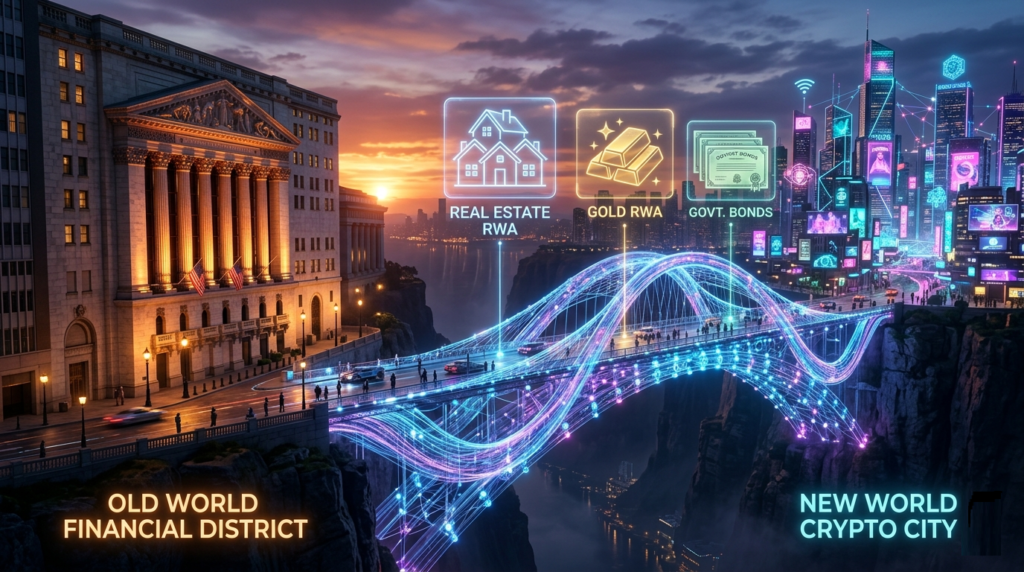
Real World Assets are tokens that represent something outside the blockchain.
Examples include:
- real estate shares
- government bonds
- gold reserves
- company equity
- invoices or loans
- commodity funds
Instead of buying a purely digital token, the idea is that you own a blockchain representation of a real asset.
These projects often use networks such as
Ethereum
or scaling solutions like
Polygon.
The goal is not to replace traditional finance, but to make it easier to access.
The Sovereign Holder’s Manifesto: Wallets, Tools, and the Biology of Crypto Success
“The Invisible Ledger”: How Blockchain is Quietly Running the World Outside of Finance in 2026
Why RWA Became Popular After the Crypto Winter
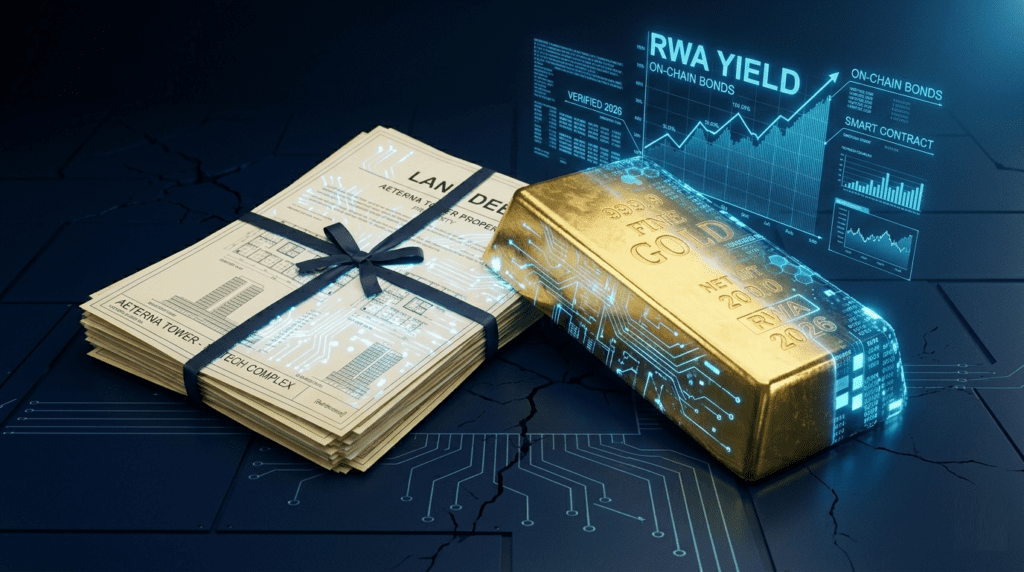
During the last cycle, many investors realized that hype alone is not enough.
Common problems of the previous market:
- tokens with no real utility
- unsustainable yields
- rug pulls
- unregulated platforms
- unrealistic promises
Because of this, the focus started to shift toward assets that have value outside crypto.
Reasons why RWA is growing:
✔ more regulation
✔ institutional interest
✔ demand for stable income
✔ better infrastructure
✔ safer custody solutions
Companies working with blockchain data and verification, such as
Chainlink,
are building tools to connect real-world information with smart contracts.
This makes tokenized assets more realistic than before.
Examples of RWA Projects in 2026
The idea of tokenization can be applied to many types of assets.
| Asset type | How tokenization works | Why people use it |
|---|---|---|
| Real estate | property shares as tokens | easier access |
| Bonds | on-chain debt tokens | predictable yield |
| Gold | backed tokens | price stability |
| Funds | tokenized portfolios | liquidity |
| Loans | DeFi lending with collateral | passive income |
Important:
Not all projects are legitimate. Some only claim to be backed by real assets.
That is why verification matters.
Can RWA Tokens Pay Dividends or Yield?
Some tokenized assets generate income, but the mechanism depends on the project.
Possible sources of yield:
- rent from real estate
- interest from bonds
- lending fees
- profit sharing
- staking rewards (not always real yield)
It is important to understand the difference:
| Type | Real yield | Risk level |
|---|---|---|
| Government bonds | low | low |
| Real estate income | medium | medium |
| DeFi lending | medium/high | medium/high |
| Token rewards only | unclear | high |
If the only reward comes from new tokens, the risk is usually higher.
This is one of the main lessons after the crypto winter.
Why Big Institutions Are Interested in Tokenization
Large companies are exploring blockchain for efficiency, not hype.
Possible advantages:
- faster settlement
- global access
- fractional ownership
- transparent records
- automated contracts
Financial firms, banks, and asset managers are testing tokenization because it can reduce costs and increase liquidity.
That does not mean all projects will succeed, but it shows the trend is real.
How to Tell a Real Asset From a Scam in 2026
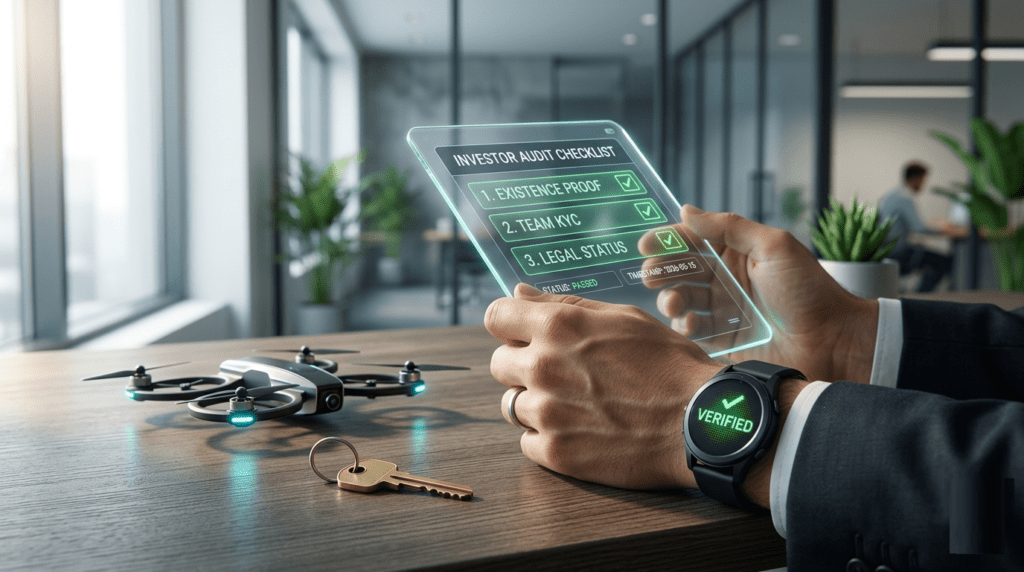
This is the most important part.
Many projects claim to be backed by real assets, but not all of them are.
Use this checklist.
1. Check if the asset actually exists
Look for:
- legal documents
- audits
- partner companies
- public reports
No proof → high risk.
2. Verify the team
Real projects usually have:
- known founders
- company registration
- public profiles
- partnerships
Anonymous teams are not always scams, but risk is higher.
3. Understand where the yield comes from
Ask:
- Who pays the dividend?
- What generates the profit?
- Is there real cash flow?
If the answer is unclear, be careful.
4. Check regulation status
In many countries, tokenized assets must follow financial rules.
Look for:
- licensed operators
- regulated custodians
- legal disclosures
Regulation does not guarantee safety, but lack of it increases risk.
5. Avoid unrealistic promises
Red flags:
- guaranteed profit
- very high APY
- no risk claims
- pressure to invest fast
These signs were common before the crypto winter, and they still appear today.
RWA vs Traditional Crypto — Key Differences
| Feature | Old crypto hype | RWA trend |
|---|---|---|
| Focus | speculation | real assets |
| Yield | often unclear | usually explained |
| Risk | very high | varies |
| Regulation | low | increasing |
| Investors | retail | retail + institutions |
The market is not becoming risk-free, but it is becoming more structured.
Final Thoughts
The Real Situation in 2026
Crypto did not disappear after the winter.
It changed.
Memecoins still exist.
Speculation still exists.
But another part of the market is growing at the same time.
Real World Assets are one of the biggest experiments in connecting blockchain with real finance.
Some projects will fail.
Some will survive.
And a few may become part of the financial system.
For investors and users, the best strategy in 2026 is not blind trust and not total rejection — but careful research, realistic expectations, and understanding where the value actually comes from.