
Why Gaming Hype No Longer Pumps Crypto

A few years ago, gaming news could move crypto markets almost instantly.
A new trailer, a roadmap update, or a vague partnership announcement was often enough to send a token upward. Game-related projects lived on momentum, speculation, and constant promises of what was “coming next.”
In early 2026, that dynamic is gone.
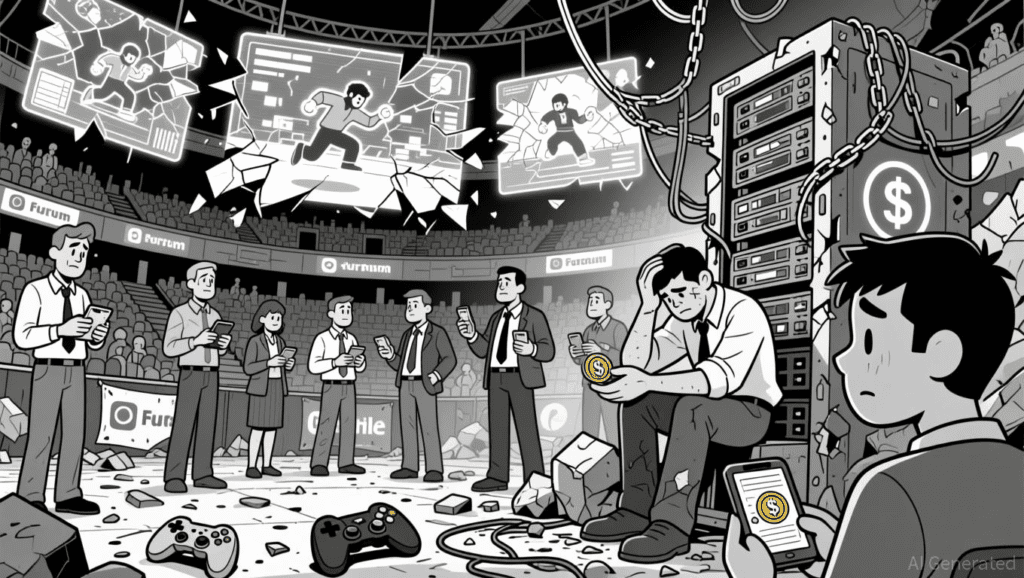
Gaming hype no longer pumps crypto — and not because people stopped caring about games. It stopped working because the market finally understood the difference between entertainment and speculation.
When Playing Turned Into Farming
Most crypto games were never really games in the traditional sense. They were reward systems wrapped in basic mechanics.
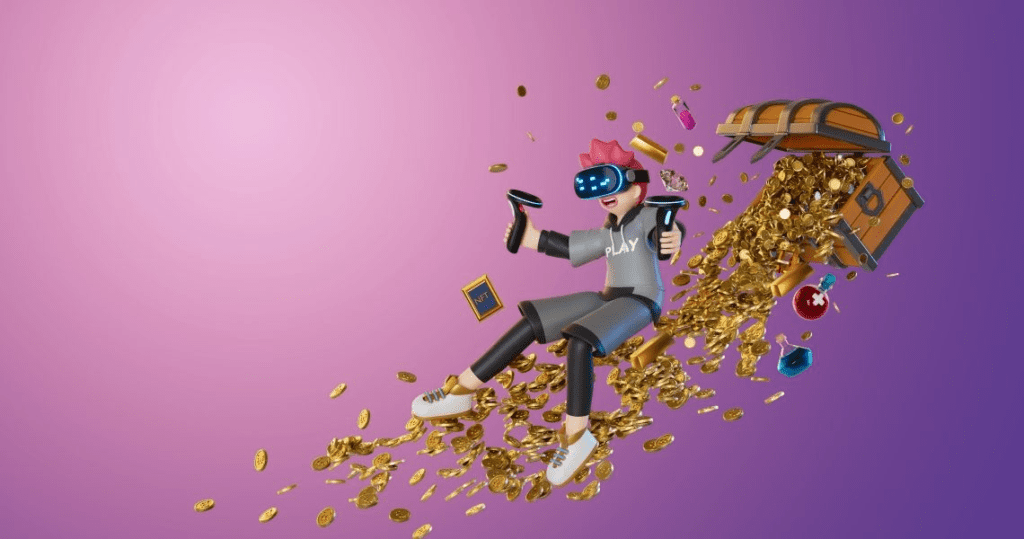
Daily quests were designed around timers, not fun. Progression systems existed to slow players down and stretch engagement metrics. “Gameplay” often meant repeating the same actions for predictable rewards.
People logged in because there was something to earn, not because there was something to enjoy.
As long as rewards flowed, retention looked healthy. Once those rewards slowed or token prices dropped, engagement collapsed. Not gradually — almost instantly. That reaction revealed the truth: players weren’t invested in the experience. They were invested in the payout.
The Sovereign Holder’s Manifesto: Wallets, Tools, and the Biology of Crypto Success
“The Invisible Ledger”: How Blockchain is Quietly Running the World Outside of Finance in 2026
Why Real Gamers Stayed Away
One of the biggest promises of GameFi was mass adoption. The idea was simple: combine crypto rewards with gaming, and millions of players would follow.
That never happened.
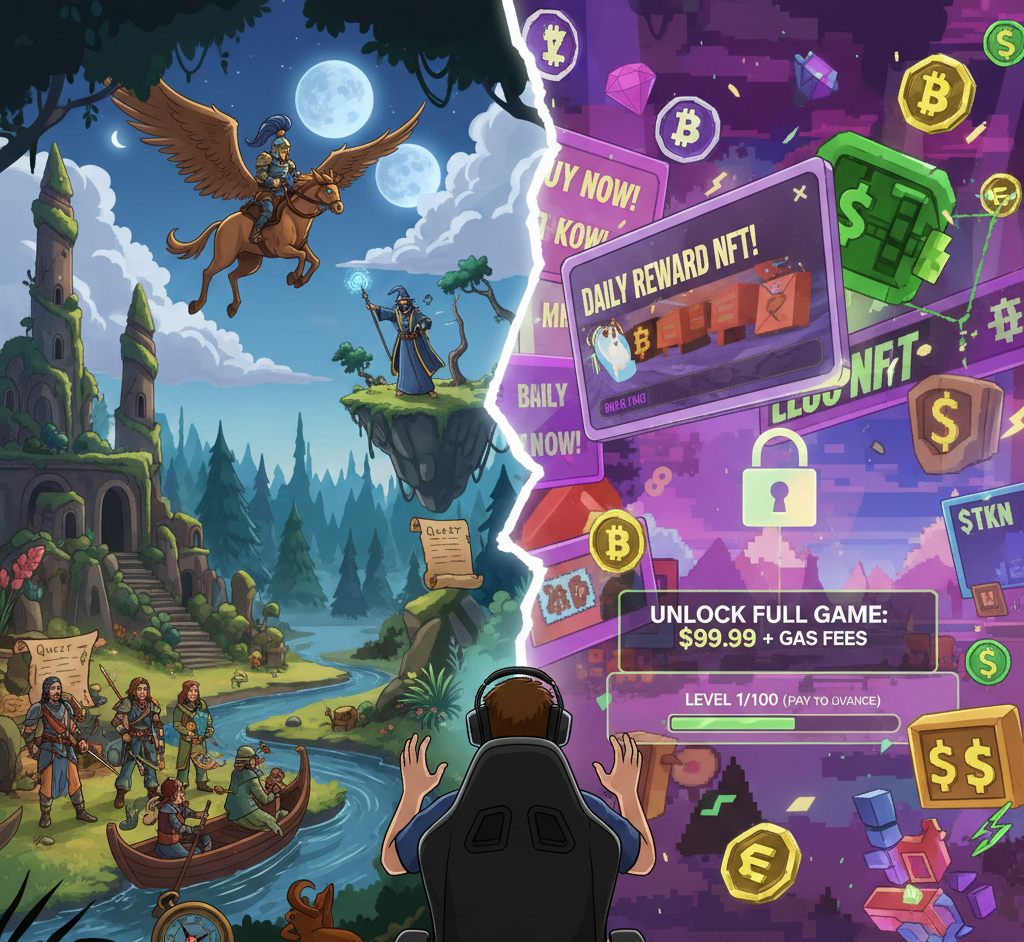
Traditional gamers quickly recognized the problem. Many crypto games prioritized monetization before mechanics. NFTs replaced progression. Paywalls appeared where skill and time investment should have mattered. Core gameplay loops felt unfinished, shallow, or repetitive.
Gamers don’t reject grinding or complex systems — they reject games that don’t respect their time. When fun becomes secondary to tokenomics, players notice immediately. And once that trust is gone, it doesn’t come back easily.

Speculation Looked Like a Community — Until It Didn’t
During the hype phase, crypto gaming projects appeared to have massive communities. Social channels were active, content creators were optimistic, and roadmaps promised constant expansion.
But most of that activity was driven by speculation, not attachment.
As soon as growth slowed, liquidity dried up. The same users who were “early supporters” exited just as quickly as they entered. What looked like a loyal player base turned out to be a temporary crowd chasing yield.
When speculation left, there was nothing solid underneath to keep prices afloat.
Why 2026 Feels Colder

January 2026 represents a much harsher environment for speculative narratives.
There is no excess liquidity chasing every new concept. Investors are no longer impressed by futuristic ideas alone. Patience for unfinished products has largely disappeared.
Today, projects are judged on practical metrics:
Do people actually use it?
Do they come back?
Is there a sustainable economic model?
If those questions don’t have clear answers, hype fades quickly. Announcements that would have moved markets a few years ago now barely register. Without substance, gaming-related crypto news blends into background noise.
Play-to-Earn Didn’t Fail Because of Crypto
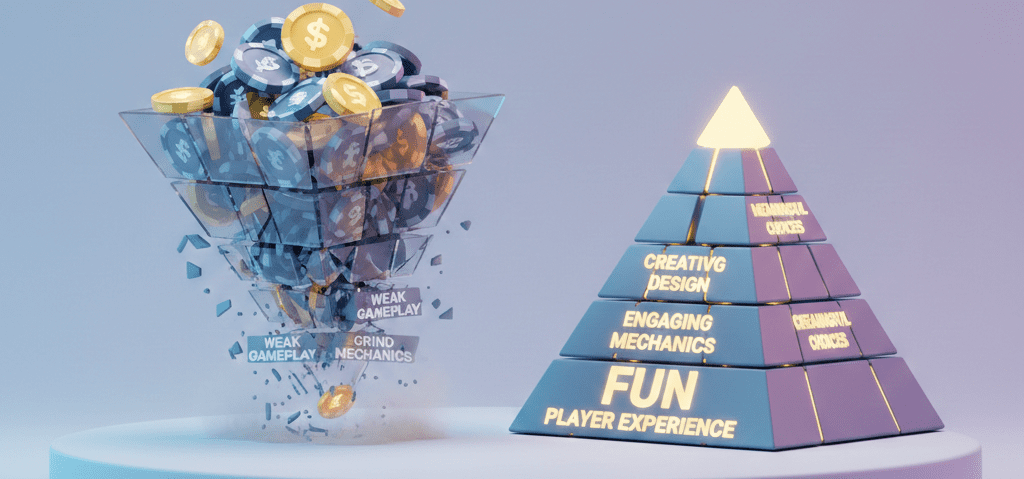
The failure of play-to-earn wasn’t caused by blockchain technology itself.
Crypto didn’t ruin gaming. Gaming didn’t ruin crypto.
The real issue was design priorities.
Many projects tried to reverse the natural order of how successful games are built. Tokens came first, economies followed, and fun was treated as something to add later. That approach rarely works.
Games succeed because people enjoy playing them. Economies form because players stay. Value emerges when demand is real and sustained.
Trying to financialize boredom was never a long-term strategy.
Can Crypto Gaming Still Have a Future?
Yes — but not in the form that dominated the last hype cycle.
If crypto games succeed in the future, they will likely look more like traditional games first and experimental economies second. Rewards will be subtle, optional, and secondary to the experience itself. Tokens won’t be the selling point — and probably won’t even appear in the first hours of gameplay.
Fun will have to come before monetization. Retention before speculation. Players before investors.
Only then does a gaming economy make sense.
Final Thoughts
Gaming hype no longer pumps crypto because the market grew up.
The era of buying promises is over. What remains is quieter, more demanding, and far more honest. Crypto gaming doesn’t need louder marketing or bigger trailers. It needs better games — built for players, not for price charts.
If that lesson sticks, the next chapter might finally be worth playing.