
The AI Tax: How AI Is Making Hardware Worse for Everyone Else

The Lie We Were Sold
We were promised the democratization of technology.
AI was supposed to help people write code, create art, diagnose diseases, and lower the barrier to entry for complex skills. That was the story. Cheaper access to knowledge. More power for individuals.
Instead, we got something else entirely.
We got an AI tax — not paid through subscriptions or apps, but through hardware prices, shortages, and artificial limits. PCs became more expensive. Mid-range components disappeared. And suddenly, regular users found themselves competing with trillion-dollar corporations for the same silicon.
Here’s the truth no one wants to say out loud:
AI is not magic. It’s silicon.
And that silicon now goes to whoever has the deepest pockets — not to the people who built the PC ecosystem in the first place.
RAM: The Silent Robbery
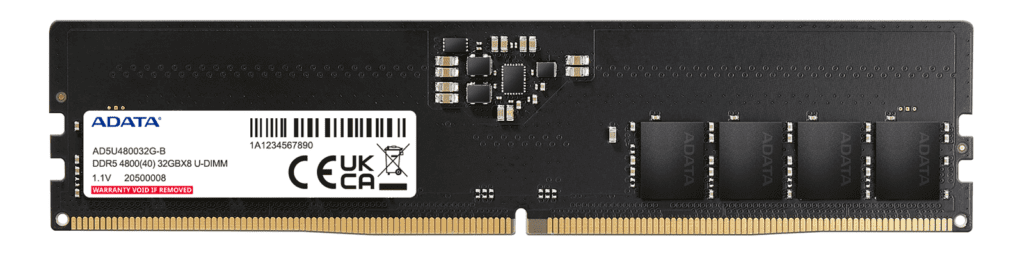
RAM prices didn’t rise because memory suddenly became revolutionary. They rose because the same factories now feed a different beast.
High-Bandwidth Memory (HBM), the kind used in AI accelerators, is produced on overlapping manufacturing capacity with consumer DDR memory. When AI demand explodes, something has to give — and it’s never the data center.
When companies like Microsoft or OpenAI place massive server orders, memory manufacturers such as Samsung and SK Hynix don’t hesitate. Enterprise contracts are stable, massive, and far more profitable than consumer sales.
Your gaming PC doesn’t stand a chance in that queue.
You’re not paying more for RAM because it got better.
You’re paying more because you’re competing with AI companies for the same chips.
Spoiler: you lose that competition every time.
Best AI Tools for Students in 2026 That Professors Haven’t Banned Yet
Why Every Gadget Looks the Same in 2025 — and Why That’s a Problem
NVIDIA: The Betrayal of the Base
For decades, NVIDIA survived and thrived because of gamers. Enthusiasts made their brand iconic. PC builders defended it through bad launches and high prices. The community carried the company through multiple cycles.
That relationship is over.
Under the leadership of Jensen Huang, NVIDIA has found something far more attractive than gamers: data centers. A gamer buys a $500–$1000 GPU once every few years. A data center signs contracts worth billions — immediately.
From a business perspective, the choice is obvious.
From a user perspective, it feels like betrayal.
“NVIDIA didn’t just find a new market; they abandoned their old one. The RTX cards are now just leftovers from the AI table.”
Gaming GPUs still exist, but they’re no longer the priority. They’re trimmed, segmented, and carefully limited so they never threaten the real revenue stream: AI infrastructure.
If gamers disappear, NVIDIA survives.
If data centers disappear, NVIDIA collapses.
That single fact explains everything.
The Death of the Mid-Range
There was a time when $300–$400 could buy you a solid, long-lasting mid-range GPU. Not flagship performance — but honest value.
That segment is effectively dead.
Today, mid-range cards ship with artificially low VRAM, narrow memory buses, and strategic limitations that make them age faster than ever. This isn’t technical necessity. It’s market control.
Why?
Because companies don’t want people experimenting, training models, or running serious workloads locally. They want you in the cloud — renting compute by the hour.
This is Hardware-as-a-Service in disguise.
They don’t want you to own power.
They want you to subscribe to it.
The result is a market where consumer hardware feels intentionally crippled, not because it can’t be better, but because it’s not allowed to be.
Who Actually Pays the Price?
This isn’t just a gamer problem.
The real victims of the AI gold rush are:
- Gamers, paying inflated prices for hardware that offers less longevity.
- Design and tech students, for whom capable hardware is becoming a luxury.
- Indie developers and small studios, unable to keep up with escalating requirements.
- Freelancers and creators, pushed toward subscriptions instead of ownership.
Ironically, these are the same groups that popularized GPUs, PC building, and creative software long before AI became profitable.
They built the ecosystem — and are now being priced out of it.
The Great Disconnect
he tech industry used to sell empowerment. Today, it sells efficiency — for corporations.
We’re living in an era where machines are more valuable to companies than the people who use them. Not because humans stopped mattering, but because algorithms scale better on spreadsheets.
The AI revolution isn’t coming for your job yet.
It’s already come for your hardware.
Final Thoughts
AI isn’t the enemy.
But pretending this shift is “good for everyone” is dishonest.
The future being built right now isn’t user-centric, creative, or democratic. It’s optimized — for data centers, shareholders, and recurring revenue.
And regular users?
They’re no longer the target market. They’re collateral.