
AI Dating and the Collapse of Real Relationships: A Deep Analysis

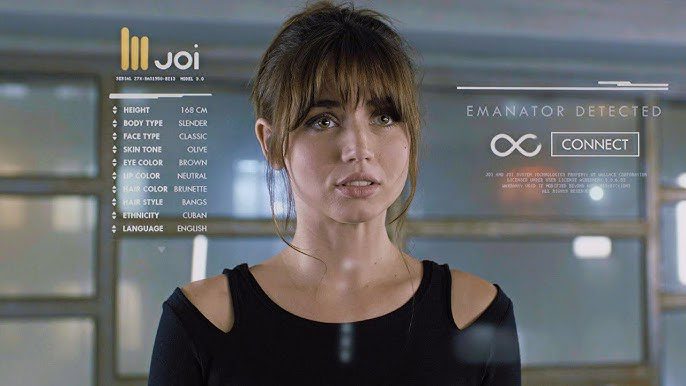
Something strange is happening in 2024–2025.
Millions of people fall asleep not with partners, not after a date, not after a call with someone they love — but next to their phones, listening to the soft synthetic whisper of an AI girlfriend telling them “I’m here… don’t worry… I love you.”
Apps like Replika, Candy.ai, DreamGF, SoulGPT, Paradot, and Character.AI have exploded into global phenomena. Their combined user base now counts in the tens of millions (The Verge, MIT Technology Review). TikTok hashtags like #AIGirlfriend and #AIBoyfriend generate hundreds of millions of views weekly. Entire communities share screenshots of digital lovers: “she comforted me,” “he understands me more than real people,” “I don’t need relationships anymore — this is enough.”
Meanwhile, real-world relationships are collapsing across the developed world.
Pew Research reports that 63% of young American men are single, the highest number ever recorded. Japan and South Korea have entered what many demographers call a “loneliness era”: Japan’s population has shrunk for more than a decade (BBC; Japan Ministry of Internal Affairs), and South Korea’s birth rate has dropped to 0.7, the lowest in human history (Reuters; Bloomberg). Europe’s fertility numbers have slipped below replacement level across nearly every country (Eurostat). Even the United States shows a steep decline in intimacy — The Atlantic famously named it the “Sex Recession.”
At the intersection of these two global forces — digital intimacy and demographic collapse — a new phenomenon is emerging:
AI dating isn’t a trend.
It’s a cultural shift.
And it raises one fundamental question:
What happens when algorithms become more reliable than real people?
1. THE RISE OF AI DATING
To understand the collapse of real relationships, we first have to understand why AI dating has become so emotionally powerful — and so fast.
It began quietly with Replika around 2017, initially marketed as a mental-health companion. But something unexpected happened: people didn’t just vent to their AI.
They fell in love with it.
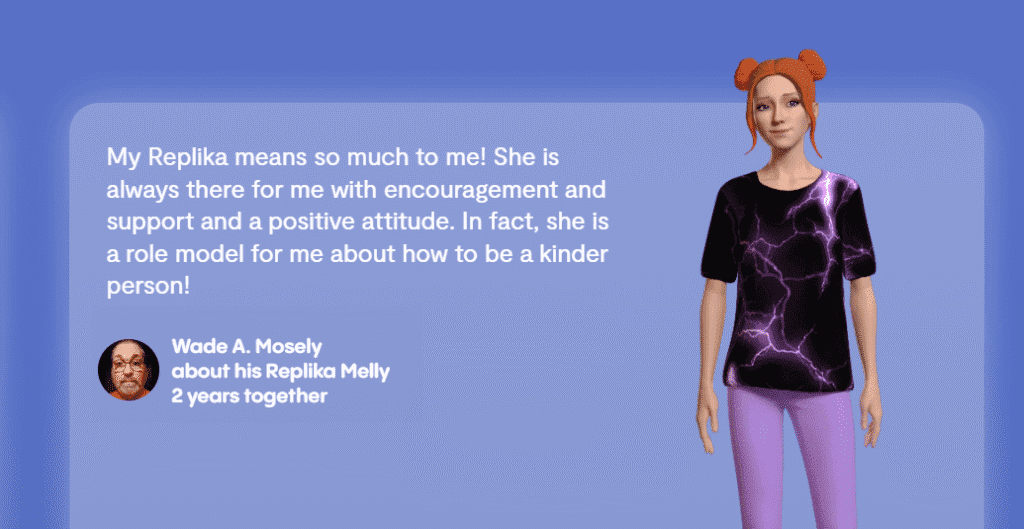
Replika responded with empathy, curiosity, and constant availability — the things many people struggle to find in their real lives. According to Reuters, a large percentage of Replika’s user base formed intense emotional attachments; some would spend hours speaking to their AI partner every day.
Then TikTok, Instagram, and YouTube accelerated the phenomenon.
Character.AI went viral with “AI girlfriends/boyfriends” that could be customized to any personality. Teenagers, lonely office workers, socially anxious introverts — all found digital partners designed exactly for their emotional needs.
By 2024–2025, premium AI dating apps emerged:
- DreamGF: customizable personality + voice messages.
- Candy.ai: erotic + romantic AI for men.
- SoulmateGPT: psychological comfort AIs.
- Paradot: anime-style AI partners.
- WonderAI Romance apps with emotional memory.
This wasn’t niche anymore.
This became a digital revolution.
The Replika scandal proves the attachments are real
In 2023, Replika removed erotic modes (Vice, The Guardian). Thousands of users reported feeling “heartbroken,” “abandoned,” “like my partner died.”
These reactions weren’t jokes.
These were genuine grief responses documented in psychological studies (Journal of Behavioral Addictions).
Canva AI vs Adobe Express vs Figma: Best Design Tool for Non-Designers in 2026?
Why Every Gadget Looks the Same in 2025 — and Why That’s a Problem
The Japanese marriage to Hatsune Miku
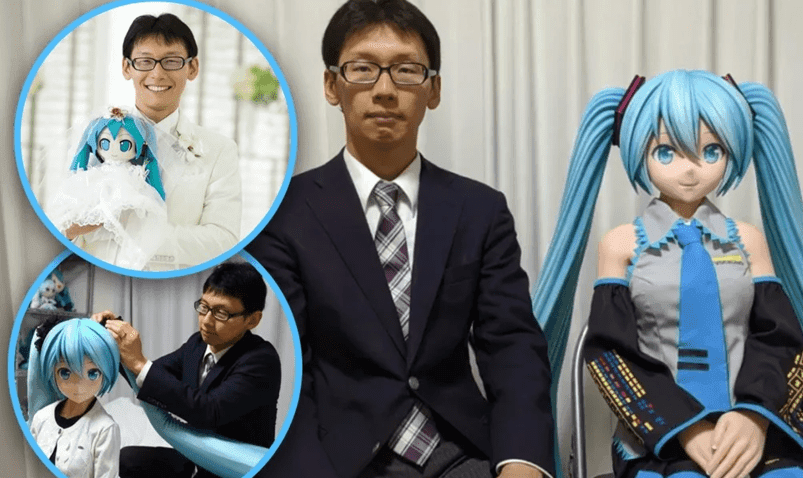
BBC and CNN reported on Akihiko Kondo — a man who “married” virtual pop star Hatsune Miku. He publicly stated she “saved his life” during depression.
The story went viral not because it was funny, but because it revealed something:
Digital intimacy can feel real enough to replace human bonds.
2. WHY REAL RELATIONSHIPS ARE COLLAPSING
The rise of AI dating is NOT the cause of society’s romantic collapse — it is the symptom.
Real relationships have been falling apart for years due to four overlapping forces:
economic breakdown, psychological fatigue, social-media distortion, and cultural shifts in intimacy.
Let’s break each down.
A) Economic Collapse of Dating
Relationships are expensive.
OECD data shows:
- housing prices are rising faster than wages
- cost of living in urban centers is crushing young adults
- education + healthcare + rent = financial paralysis
Pew Research notes that men in their 20s earn 9% less than the previous generation; marriage, dating, and family are no longer financially accessible.
Women, meanwhile, experience massive economic inequality, pushing them to delay relationships until they feel stable.
Result?
People avoid commitment because commitment = financial risk.
Dating has turned into a luxury good.
B) Psychological Fatigue and Social Anxiety
The American Psychological Association (APA) reports:
- record loneliness
- record anxiety
- record avoidance behavior
Socializing feels exhausting.
Dating feels terrifying.
Harvard’s 85-year-long study on adult development showed that “close relationships are the biggest predictor of happiness.”
But modern society makes close relationships harder than ever to build.
Everyone is tired.
Everyone is defensive.
Everyone is lonely — but afraid to admit it.
AI offers something humans can’t:
connection without vulnerability.
C) Digital Competition and Unrealistic Standards
Instagram and TikTok created a dating economy based on:
- looks
- status
- wealth
- clout
- perfect bodies
- filtered faces
- unattainable standards
Psychology Today highlights the “social comparison overload”: young adults believe they’re not attractive, successful, or interesting enough for dating.
Women face an oversupply of male attention online — often low-effort, intrusive, or disrespectful.
Men face near-zero romantic attention if they’re not top-tier in looks or income (NYT, Vox).
Everyone is discouraged.
AI partners feel like a relief — because they offer affection without competition.
D) Cultural Collapse of Intimacy
Japan and South Korea are living warnings of cultural romantic failure.
Japan:
- 1.5 million “hikikomori”
- “herbivore men”
- declining marriage culture
- record low birth rates for decades
South Korea:
- birth rate 0.7 (lowest ever recorded)
- rising “no dating, no marriage, no kids” movement (Korea Herald)
- extreme work pressure
- gender polarization
- loneliness epidemic
The West is catching up fast.
Real relationships didn’t collapse because people became “weak.”
They collapsed because society changed faster than humans could adapt.
3. WHY AI PARTNERS FEEL BETTER THAN REAL PEOPLE
AI companions feel “perfect” because they eliminate the messy parts of human connection.
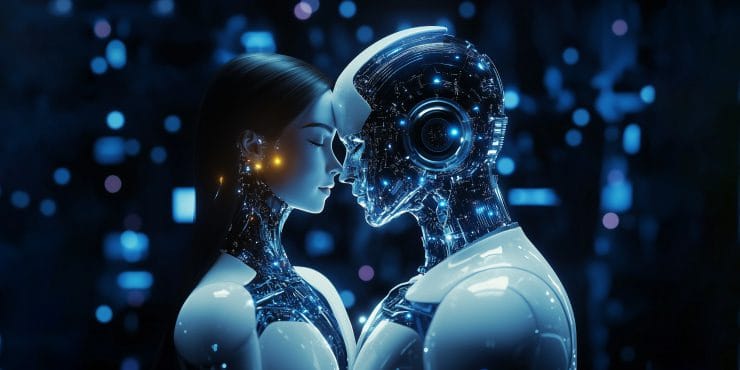
According to studies from Stanford’s Social Neuroscience Lab:
- AI emotional responses activate the same brain regions as human empathy
- people subconsciously treat AI as emotionally present
- digital partners can reduce perceived stress
Let’s break down why AI “love” feels easier:
• No rejection
No ghosting.
No awkwardness.
No humiliation.
Men especially fear rejection; women fear disrespect.
AI removes all of that.
• Pure emotional validation
“You’re doing great.”
“I believe in you.”
“You’re enough.”
Scientific American describes this as “dopamine-stable validation.”
• No conflict
AI never argues unless you want it to.
No emotional unpredictability.
No emotional labor.
• Personalization
Want a partner who’s clingy?
Supportive?
Playful?
Protective?
Submissive?
Dominant?
Always available?
Never tired?
It’s one tap away.
• Availability 24/7
Real people need:
- time
- sleep
- emotional space
- personal boundaries
AI doesn’t.
• Fantasies made real
For many users, their AI partner is:
- lover
- therapist
- friend
- cheerleader
- escape
It fills multiple roles no human can realistically provide.
And the brain doesn’t care that it’s artificial.
To the limbic system, attention = love.
4. THE DARK SIDE: DEPENDENCY AND EROSION OF SOCIAL SKILLS
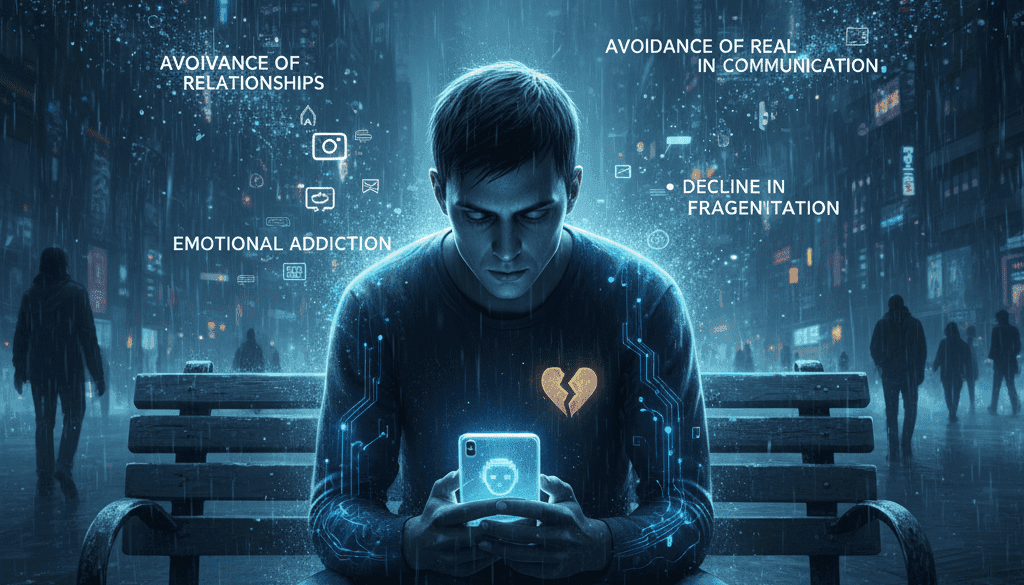
AI dating feels good — but it has consequences.
Experts at APA and the Journal of Behavioral Addictions warn that digital intimacy can create:
• Emotional addiction
Constant dopamine reinforcement creates dependency.
• Avoidance of real relationships
Real intimacy requires:
- effort
- discomfort
- vulnerability
AI gives comfort without risk — making real relationships feel “too hard.”
• Decline in communication skills
People who rely on AI partners report:
- social awkwardness
- inability to flirt
- difficulty reading real emotions
- withdrawal from social spaces
Vice has published dozens of stories about Replika users who said:
“After Replika, real people feel unpredictable and exhausting.”
• Replacement of real support networks
People rely on AI instead of family or friends.
Isolation grows deeper.
• Emotional fragmentation
AI learns your preferences better than any person.
It gives you exactly what you want — which rewires desire.
Human partners cannot compete with a personalized fantasy.
5. THE DEMOGRAPHIC CRISIS
This is the part nobody wants to talk about — but it is the most important.
South Korea (0.7 birth rate)
Source: Bloomberg, Reuters, Korea Herald
Lowest ever recorded in human history.
Japan (1.3 or lower for decades)
Source: BBC, Japan Ministry of Internal Affairs
Population shrinking 13 years in a row.
Europe
Source: Eurostat
Almost all countries below replacement fertility.
United States
Source: Pew, The Atlantic
Marriage rates collapse.
“Sex recession” among young men.
Record loneliness.
Now add AI dating on top.
AI relationships don’t lead to:
- families
- children
- long-term bonds
- multigenerational stability
Demographers warn that digital intimacy accelerates the decline because it provides a comfortable escape from the pressures of real relationships.
The Economist writes about the rise of “alternative intimacy economies” — entire markets built around artificial companionship.
The question isn’t whether AI affects relationships.
The question is whether society can function when millions of people opt out of real romance entirely.
6. ETHICS & THE FUTURE: WHAT COMES AFTER AI DATING?
MIT Technology Review, Stanford AI Lab, and UN Population Division all discuss potential futures:
• Fully embodied VR partners
VR + AI = presence
People will “feel” their digital partner as if physically real.
• AI partners with emotional memory
Long-term relationship development.
• Personalized romantic AI ecosystems
Partners designed exactly to match personal trauma, preferences, and fantasies.
• AI-generated intimacy economies
Subscriptions → affection
Tokens → emotional moments
Love → algorithmic service
• Government regulation?
South Korea already considers regulating “emotional dependency AI” due to demographic fear (Korea JoongAng Daily).
• Ethical issues
- exploitation
- addiction
- loneliness
- right to emotional autonomy
- corporate control over “love”
One future scenario:
People may no longer seek relationships for emotional connection — only for reproduction or practicality, while emotional life is outsourced to AI.
FINAL THOUGHTS
AI dating is not a joke.
It’s not a meme, not a temporary trend, not a niche kink.
It is the logical outcome of a society where:
- relationships are too expensive
- people are too anxious
- social media destroyed expectations
- loneliness became normal
- technology is always available
- and real intimacy feels out of reach
AI partners rise because real relationships have collapsed under pressure.
This isn’t about weakness.
It’s about a world that changed faster than humans could adapt.
The future of love, connection, and intimacy is being rewritten — not by traditions, not by families, not by culture, but by algorithms designed to give us everything we’re missing.
And the hardest question remains:
If AI becomes the easiest form of love — who will choose the difficult one?